The familiar, soothing strains of “Amar Bhaiyer Rokte Rangano Ekushey February” floated through the pre-dawn air as barefoot visitors walked slowly towards the altar of the Central Shaheed Minar, clutching flowers to their chests.
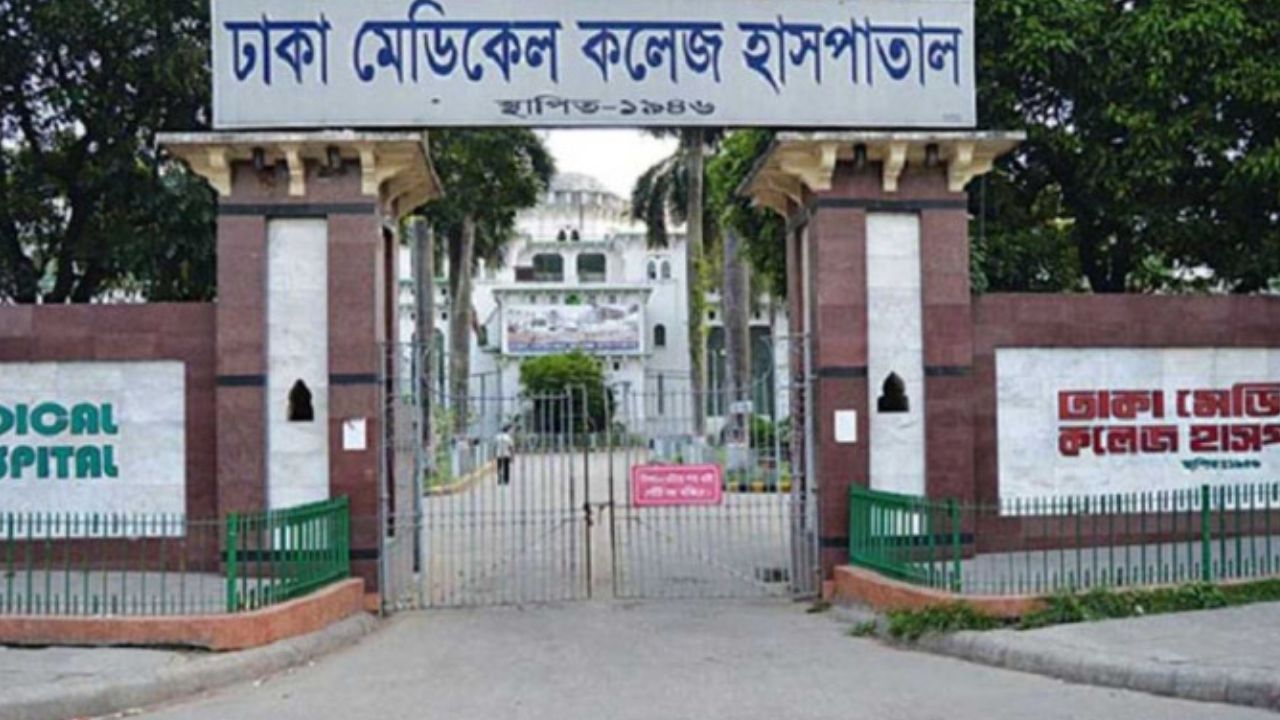
Under the soft glow of lights and the first hint of morning, children stood beside their parents, watching carefully as wreaths were laid in silence. Among them was Kamal Uddin, an employee of Dhaka Medical College Hospital, who had brought his second-grade daughter, Amatun Nahar.
Lifting her gently onto the marble steps, he watched as she placed her flowers with quiet concentration. “She insists on coming every year,” he said. “She may not fully understand the history yet, but she knows this is a day to show respect.”
Moments later, like many children her age, Amatun joined others gathering fallen petals scattered across the ground – small gestures of innocence unfolding beside solemn remembrance. Nearby, flower sellers – many of whom usually operate around the University of Dhaka area – continued serving the steady stream of visitors.

As the morning progressed, the Shaheed Minar’s white structure gradually blanketed in red and white blooms. People from all walks of life – political parties, socio-cultural organisations, students, professionals and families – arrived in phases to pay homage to the martyrs of the Language Movement.
This year marks the 74th anniversary of the historic movement. In 1999, Unesco recognised 21 February as International Mother Language Day, honouring those who sacrificed their lives to establish Bangla as a state language. The day is now observed worldwide to promote linguistic diversity and protect mother tongues.



In the first hours after midnight, President Mohammad Shahabuddin laid the first wreath, followed by Prime Minister Tarique Rahman. Special prayers were offered for the departed souls of the martyrs. The prime minister later returned to the altar with cabinet members and senior party leaders to pay tribute again.
The chief justice, the chiefs of the three armed services, opposition leaders and Shafiqur Rahman, Ameer of Jamaat-e-Islami, also placed wreaths alongside newly elected members of parliament from the 11-party alliance.
Once the formal tributes concluded, the grounds filled steadily with citizens. Many stood in silence; others joined in song, their voices carrying both pride and grief.
Nazmul Hossain, 34, who brought his three-year-old son for the first time, said the visit was about passing on memory. “We can speak Bangla because of their sacrifice,” he said. “Children need to see this; to understand.”
Foreign visitors also joined the observance. George, a tourist from the United Kingdom, said he was struck by the emotion surrounding the day and expressed respect for the language martyrs.
Tupu Chiram, an indigenous visitor from Tangail who came with friends from Jagannath University, said each community carries dignity in its mother tongue. “We are here to honour our language,” he said.
In the mingling of song, silence and scattered petals, remembrance moved gently from one generation to the next – a living tribute carried in the words people speak every day.