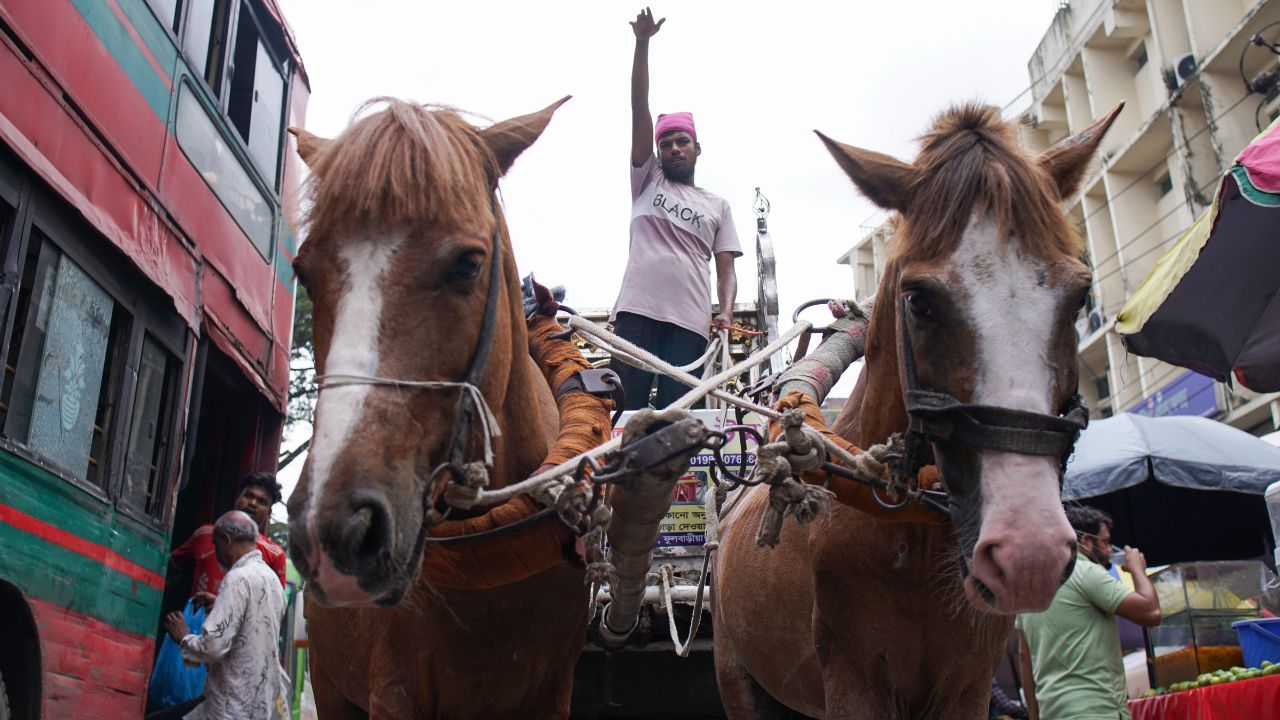

Once symbols of prestige, Old Dhaka’s horse-drawn carriages, locally known as tomtoms, now stand as relics of exploitation.
Introduced in the 19th century by Armenian entrepreneur GM Shircore, the carriages once numbered in the hundreds, carrying families and brides across the city. Today, only a few dozen survive in Bangabazar, Bakshibazar, and Narinda.
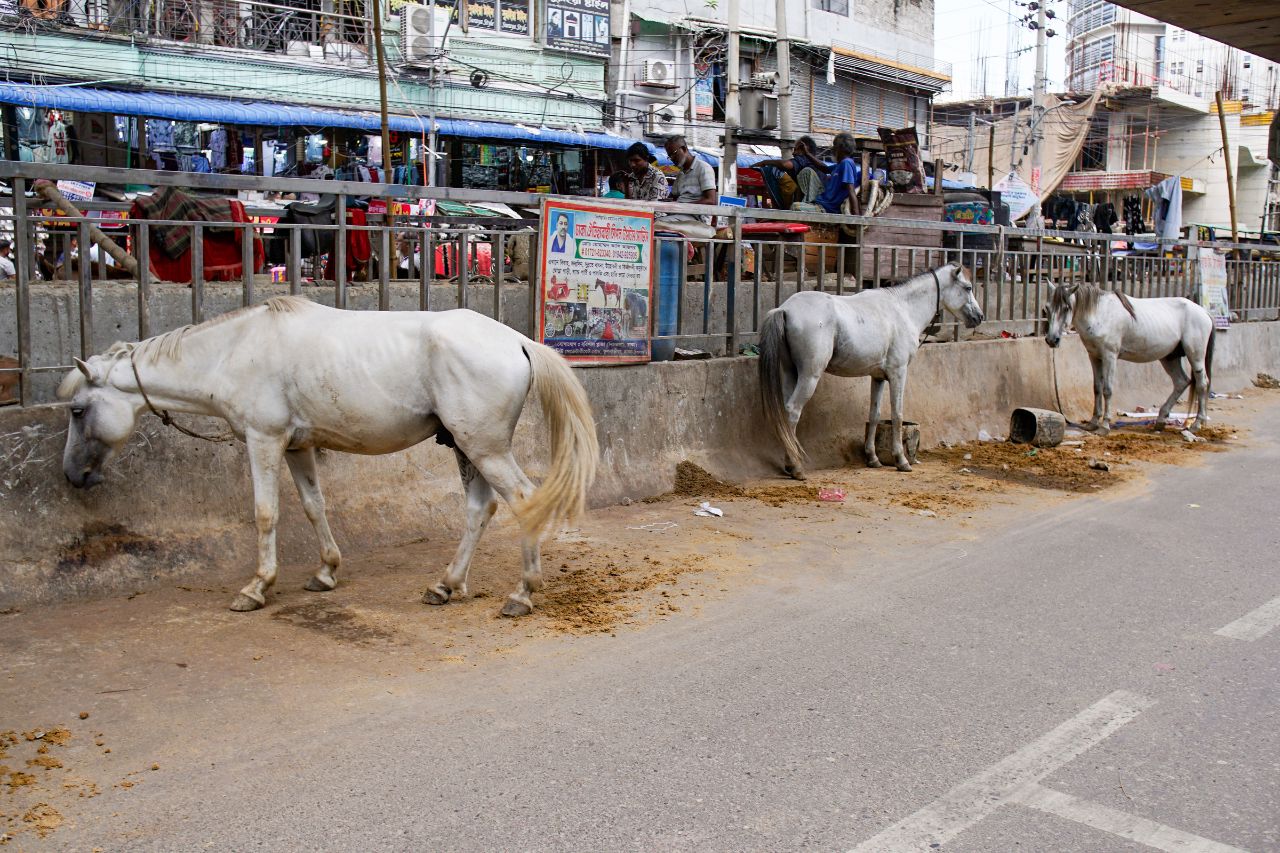
Behind the nostalgia lies hardship. Horses are routinely overworked, pulling up to a dozen passengers through congested asphalt roads.

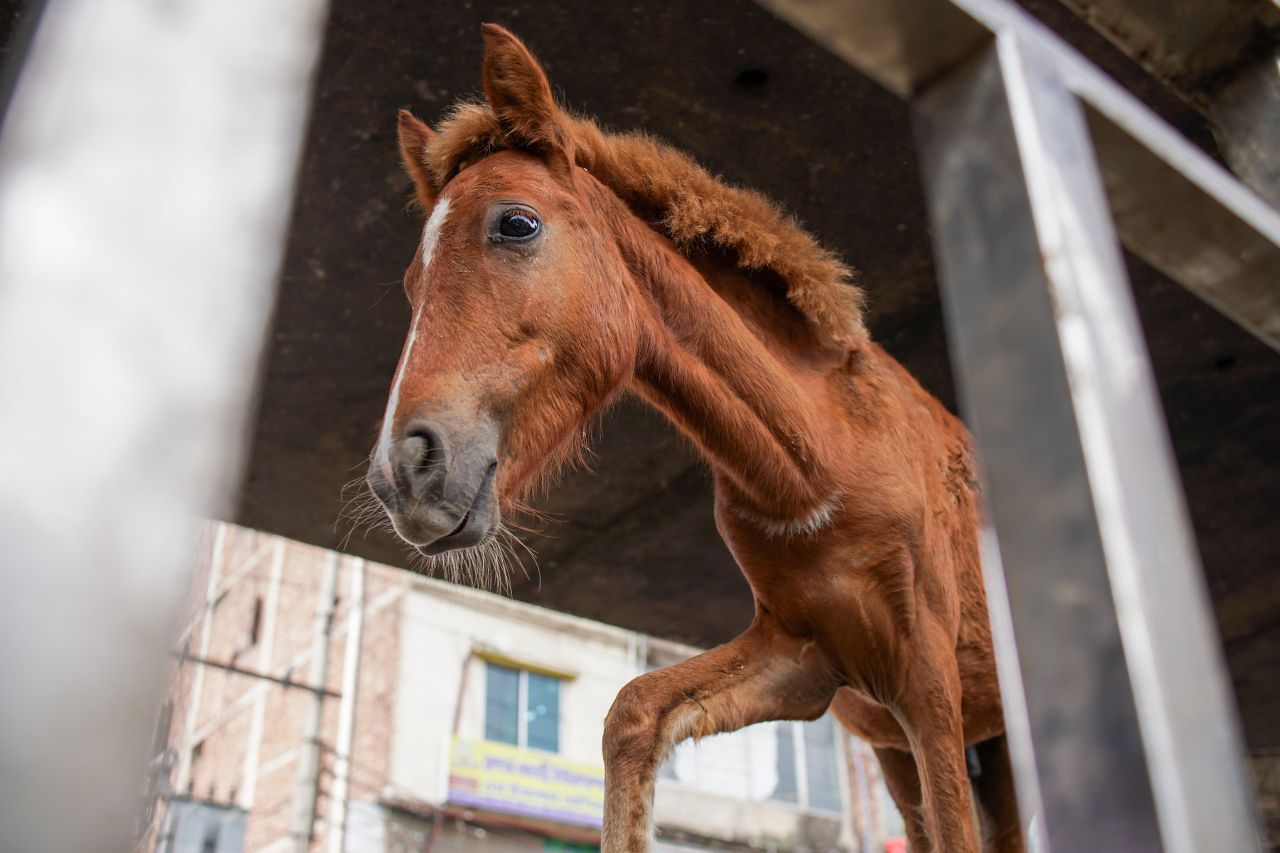
Many suffer untreated wounds, decayed hooves and malnutrition as owners struggle with rising feed costs. The sight of limping animals dragging carriages through chaotic traffic is no longer romantic; it is disturbing.
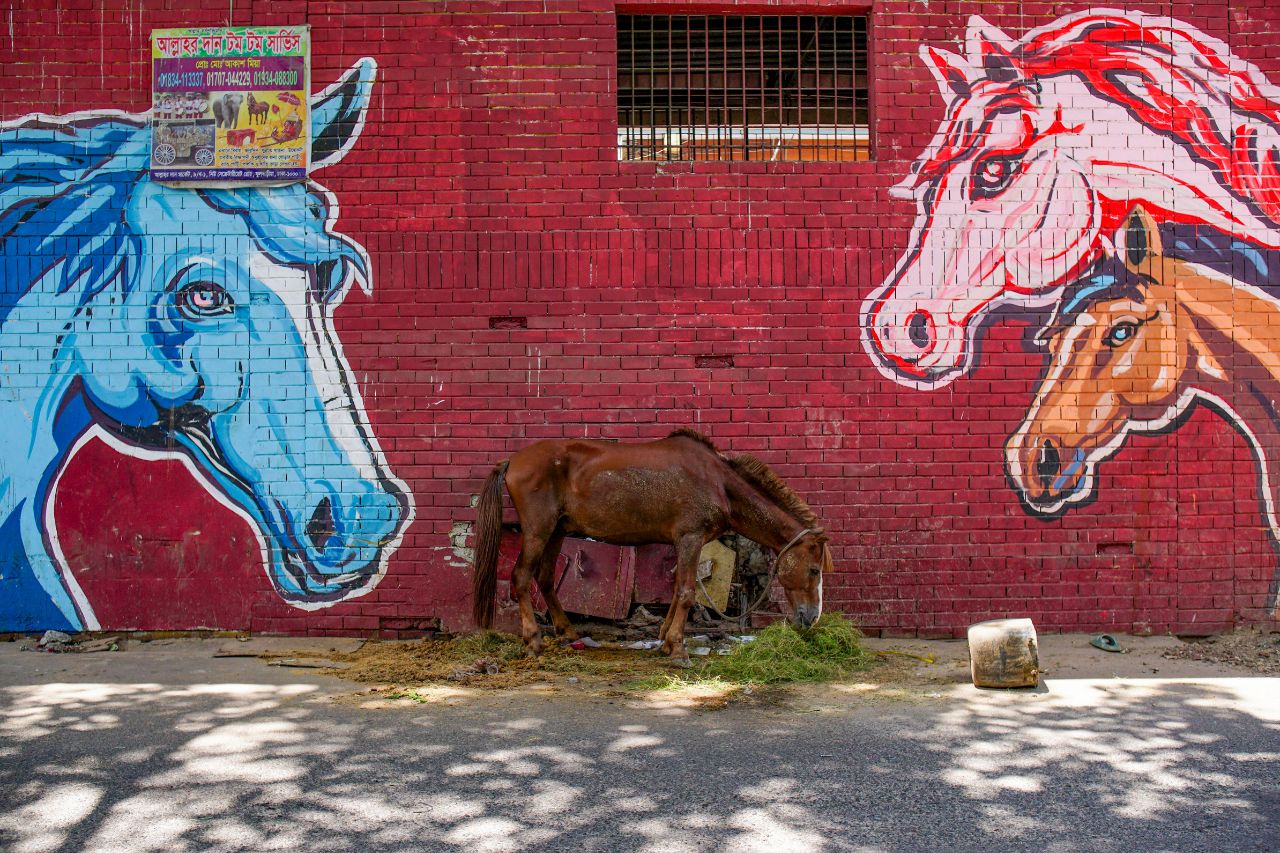
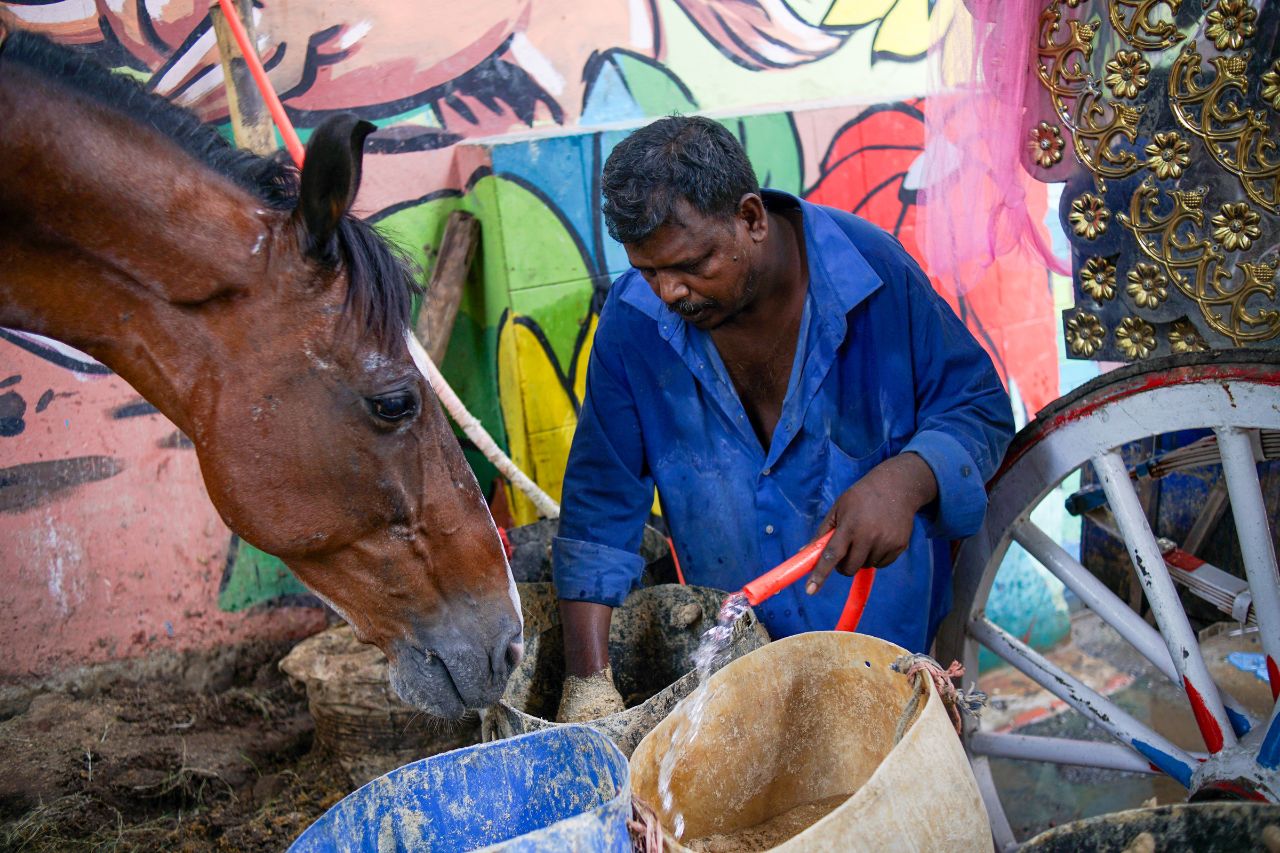
Drivers, too, are caught in the struggle. For many, the carriage is not heritage but livelihood, passed down through generations. Daily earnings of Tk1,500-Tk2,000 barely sustain families, leaving little for proper care of the animals.



Tradition has become survival, forcing men to exploit the very creatures they depend on. The romance of the tomtom has faded, replaced by the grim reality of economic desperation.
Animal rights groups have condemned the practice as inhumane, urging authorities to ban it outright. Yet enforcement remains weak, and the carriages continue to roll through Old Dhaka’s streets.
Despite widespread awareness of the suffering involved, no meaningful action has been taken to address the issue, leaving both animals and drivers trapped in a cycle of neglect.
For the city, the tomtom is no longer a proud echo of Mughal grandeur or colonial trade. It is a reminder of neglect, of how heritage can twist into cruelty when modern policy fails to protect the vulnerable.
The horses are not the only victims; the drivers, bound by poverty and tradition, are caught in a system that offers no easy way out.
Unless decisive action is taken, Dhaka’s horse carriages will be remembered not for culture, but for suffering. The question is whether the city will act before the tomtom becomes a symbol not of nostalgia, but of shame.