
Fear has gripped Saharbati village in Meherpur’s Gangni Upazila, where residents claim more than 100 people have suffered snakebites over the past week, triggering sleepless nights and a rush to traditional healers, locally known as “Ojha”, despite repeated warnings from doctors.
The panic intensified after the death of seventh-grade student Jui Khatun, whose family says valuable time was lost after she was taken from hospital to a local faith healer. Health officials insist that prompt hospital treatment, rather than traditional rituals, offers the best chance of survival following a snakebite.
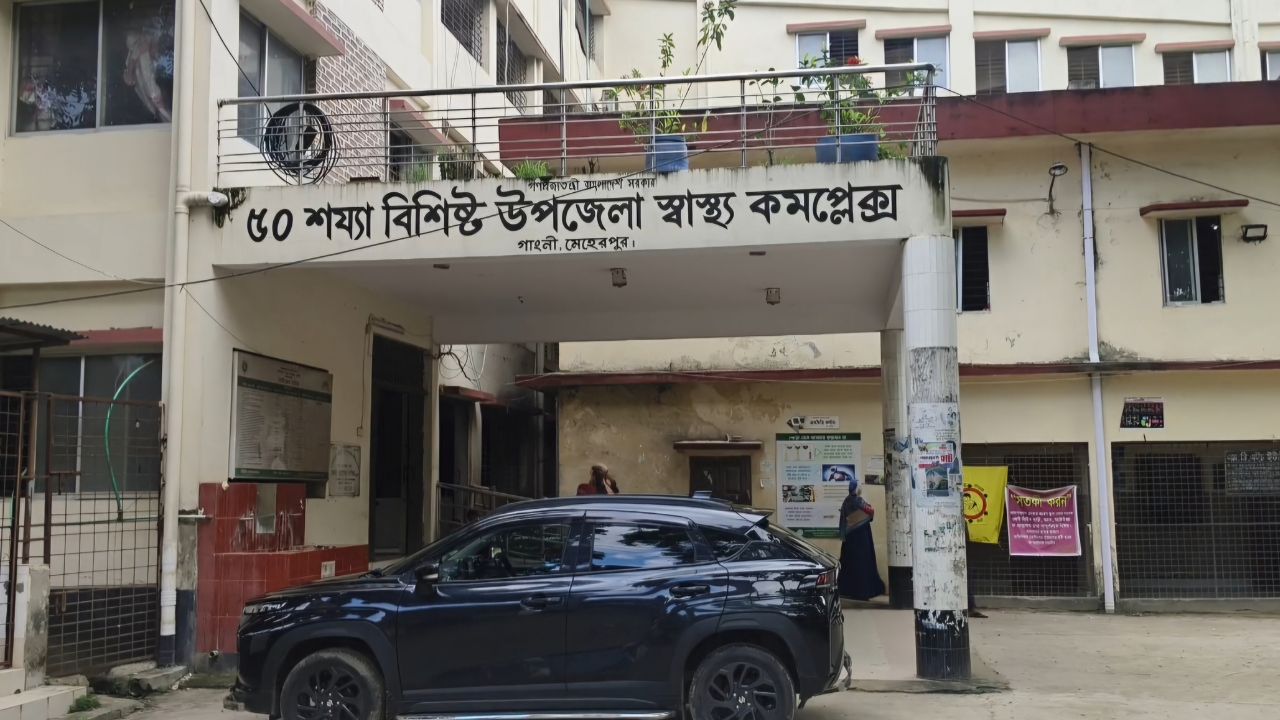
According to the health department, 134 snakebite patients received treatment at three hospitals in Meherpur during the past three months. One patient died, while doctors say most others recovered because they reached hospital in time.
Medical experts advise that anyone bitten by a snake should keep the affected limb as still as possible and be taken immediately to the nearest hospital. They warn that relying on rituals or superstitious practices instead of medical treatment significantly increases the risk of death.
Jui Khatun, a talented seventh-grade student who ranked first in her class, had dreamed of becoming a doctor. That dream ended on the night of 12 July.
Her grandmother, Pakhijan Khatun, said Jui was bitten while asleep. She was taken to hospital around 3am, but some family members later persuaded them to seek treatment from a faith healer. Nearly five hours were lost moving between the hospital and the healer before antivenom was finally administered. She could not be saved.

Jui’s mother, Shantana Khatun, said, “My daughter dreamed of becoming a doctor. She always had a book in her hand. After the snakebite we were terrified. We took her to hospital, but later followed the advice of villagers and went to a faith healer. Now I feel that if we had not wasted time, perhaps we could have saved her.”
“We did not know what to do. Everyone told us to take her to the healer. Now we are left with nothing but regret,” she added.
The health department rejected allegations of medical negligence.
Gangni Upazila Health and Family Planning Officer Dr Ekramul Haque said the patient had initially been brought to hospital quickly, but precious time was lost after she was taken elsewhere.

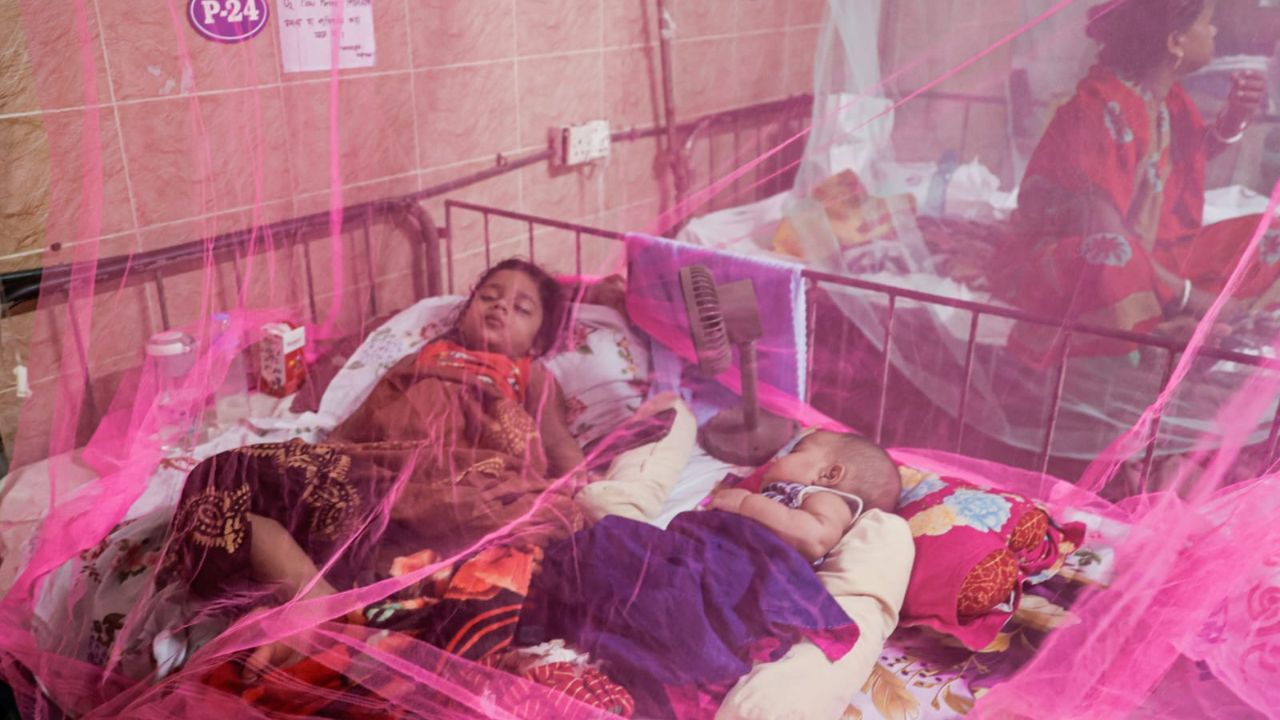


“Time is critical in snakebite cases. Many patients can be saved if antivenom is administered promptly,” he said.
Since Jui’s death, villagers say snakebite incidents have become a daily source of fear. Many residents are visiting traditional healers before seeking medical care.
Snakebite patient Shahin Ali said he felt something bite him during the night and first went to a faith healer before later visiting hospital.
Another patient, Rabbani, said local people advised him to see a healer first, so he followed their advice before consulting a doctor.
Village teacher Yasin Ali said fear had become the biggest problem.
“Since Jui’s death, panic has spread throughout the village. Even people with minor pain think they have been bitten by a snake. As a result, many are choosing faith healers instead of doctors,” he said.
The growing panic has created opportunities for traditional healers.
During an investigation, a man identified as Mostafizur Rahman was presented to a healer as a snakebite patient. The healer performed rituals, including moving his hands over the body and touching different parts with a glass before declaring that although he had been bitten by a snake, no venom had entered his body. Villagers have alleged that such practices are being used to mislead people and collect money.
Faith healer Yasin Ali defended the practice, saying, “We treat patients by reciting prayers. By the grace of Allah, many people recover.”
Doctors and religious scholars, however, say such practices have no scientific basis.
Maulana Siddiqur Rahman, head teacher of Meherpur Government High School, said Islam encourages people to seek proper medical treatment.
“Islam does not support deceiving people in the name of treating snakebites. Taking patients to hospital without delay is the correct course of action,” he said.
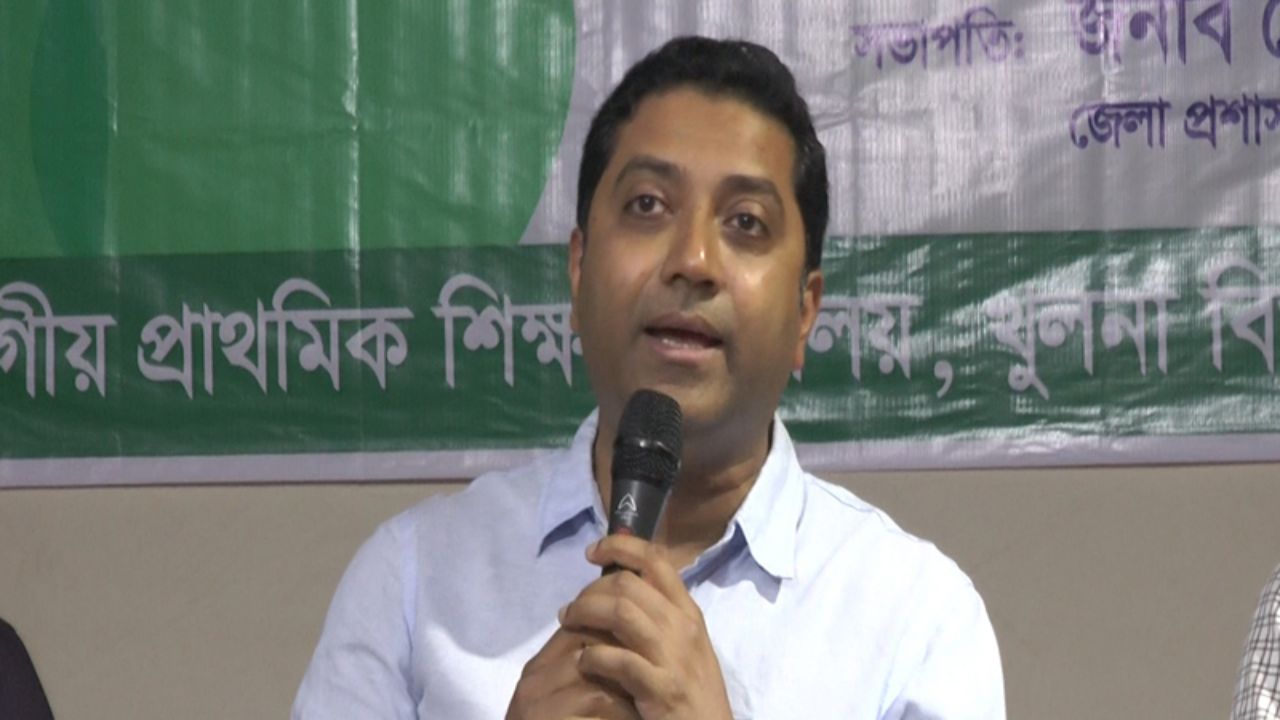
Civil Surgeon Dr AKM Abu Sayeed said the situation in Saharbati was being driven partly by psychological fear following the student’s death.
“After one death, fear has spread across the entire area. In many cases, people become ill because of panic rather than venomous snakebites. However, every snakebite should be treated as an emergency and patients should go to hospital immediately. Time should not be wasted visiting faith healers,” he said.