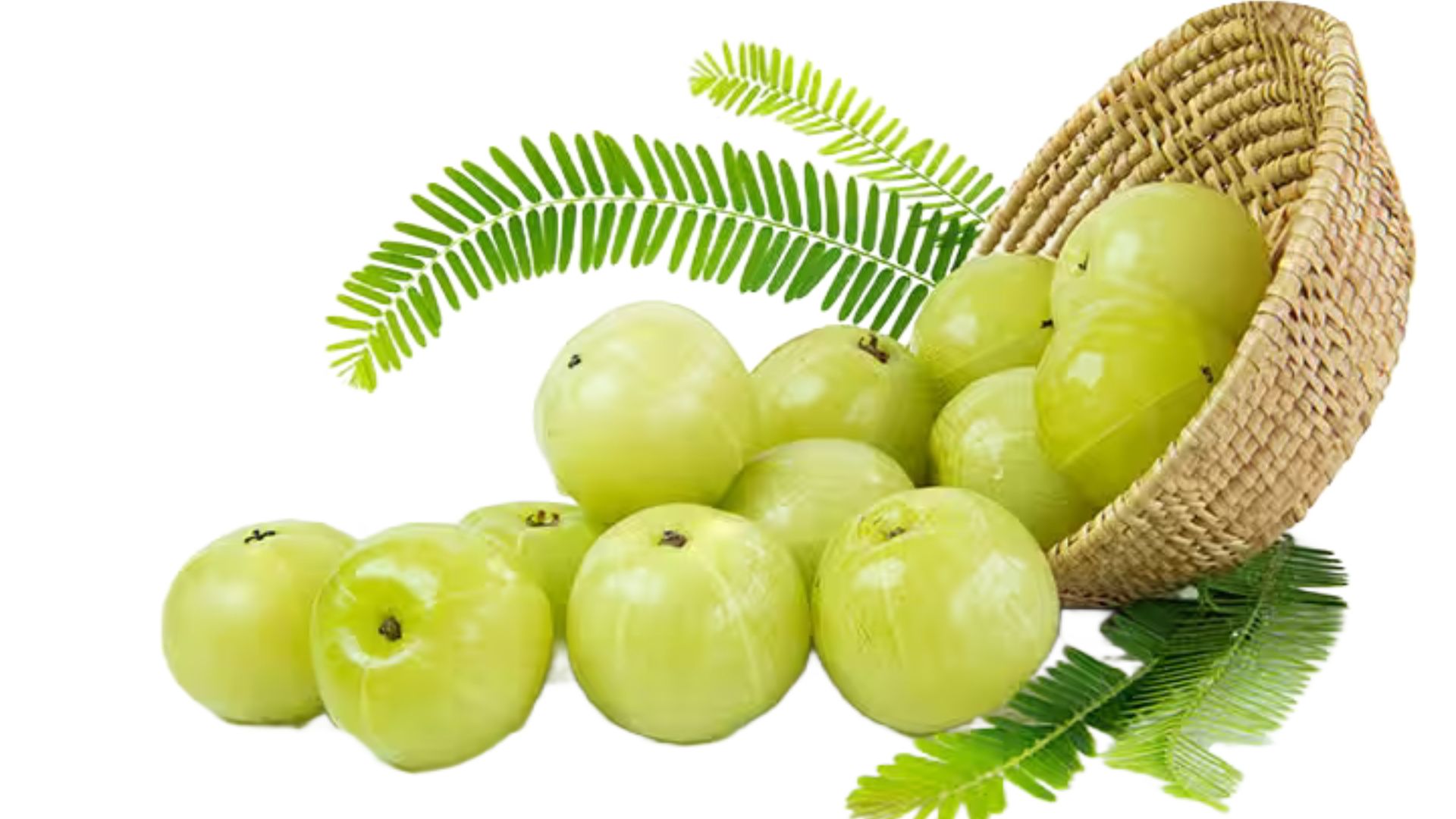



Long before modern nutrition charts or superfoods made headlines, Amla had already carved its place in the records of history.
References to this small, vibrant green fruit can be found in Ayurvedic texts dating back over 3,000 years. Amla was considered a fruit of longevity, capable of restoring balance to the body and mind and was often prescribed in daily tonics for kings and sages alike.
By the 6th century BC, amla had spread beyond the Indian subcontinent. Traders along the Silk Road carried dried berries and preserves to Persia and China, fascinated not only by its tart taste but also by its reputed healing properties.

In medieval times, Persian and Arab merchants documented the fruit in travelogues, noting how it was prized in royal courts and used in pickles and preserves that could survive long journeys. Amla’s journey across continents illustrates its value not merely as food, but as a cultural and economic commodity.




In local folklore, the amla tree itself was sacred. Villagers in Bengal, Maharashtra and Gujarat believed that planting an amla tree brought prosperity and protection. Seasonal harvests became festive occasions with families preparing amla pickles, often using recipes passed down for generations. The fruit’s tart bite, combined with natural preservative qualities made it a staple in kitchens long before refrigeration.
Even in modern times, amla’s significance remains undiminished. Today, it comes in powders, oils, juices and supplements worldwide. Known for its rich Vitamin C content, antioxidant properties and role in immunity, it is used in contemporary wellness routines from hair tonics to daily health shots bridging millennia-old tradition with current health trends.
The story of amla is also one of resilience and continuity. From royal gardens in the Maurya Empire to roadside vendors in Dhaka, the fruit has adapted and endured. It reminds us that wellness is not merely a modern pursuit, it is the legacy of centuries of observation, cultivation and careful use of nature’s bounty. Amla’s journey across time and geography tells a story not only of health but of culture, trade and human ingenuity – a small fruit that carries the weight of history while still nourishing the body today.
In celebrating amla, we honour both tradition and science, tasting the past even as we harness its benefits in the present. Its legacy is a gentle reminder: the most potent remedies often grow quietly around us, waiting for the patient eye to notice, respect, and use them wisely.