Some lives become stories of survival. A few become symbols of a nation’s conscience. Ferdousi Priyabhashini was both. Born in 1947 in Khulna, she rose to prominence as one of Bangladesh’s most distinctive sculptors. But her greatest legacy was not art; it was the truth she dared to speak.
As the first woman to publicly identify herself as a Birangona, a title honouring women raped during the Liberation War of 1971, she shattered decades of silence, forcing the country to confront pain it had long buried. Her courage did not just redefine her own life; it transformed the nation’s understanding of dignity, resilience and bravery.
Her early life was marked by responsibility and resilience. As the eldest of eight children, she began working at a young age to support her family. By early 1970s, she was also a young mother navigating financial hardship. Yet even in moments of immense personal struggle, she continued to work, care for her family and hold her ground.

The events of 1971 left a lasting impact on her life, but they did not define her spirit. After the war, Ferdousi built a new life with her husband, Ahsanullah Ahmed and their children. Her path was not without obstacles. Social stigma, misunderstanding and prejudice often found their way into her life. But with her own quiet strength, she transformed pain into purpose.
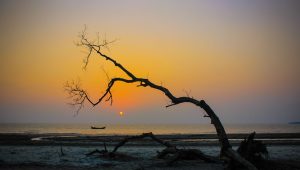
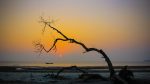
It was in art that she discovered a new voice. From 1990 onwards, her sculptures, often crafted from fallen branches, roots and natural forms, began to appear in exhibitions across the country. Her work carried a sense of rebirth, grounding and honesty. They reflected a life shaped by turmoil yet guided by a deep desire to find beauty and meaning.

Ferdousi did more than tell her own story; she opened a path for others to tell theirs. She encouraged survivors of wartime violence through public engagement and advocacy to reclaim dignity and space in society. Her courage challenged the culture of silence and set a precedent for truth-telling in Bangladesh.
In 2010, she received the Independence Day Award, one of the nation’s highest civilian honours, recognising not only her artistic contributions but also her extraordinary resilience.
Priyabhashini passed away in 2018, but her legacy endures. She leaves behind more than sculptures; she leaves a blueprint of courage. In a society where silence once felt safer than truth, she chose to speak.
In a world that often turns away from suffering, she chose to create. Her life reminds us that history is not only recorded in books or monuments, but in the bravery of individuals who refuse to be erased. Priyabhashini stood tall when the nation needed a voice. And because she did, countless others found theirs.