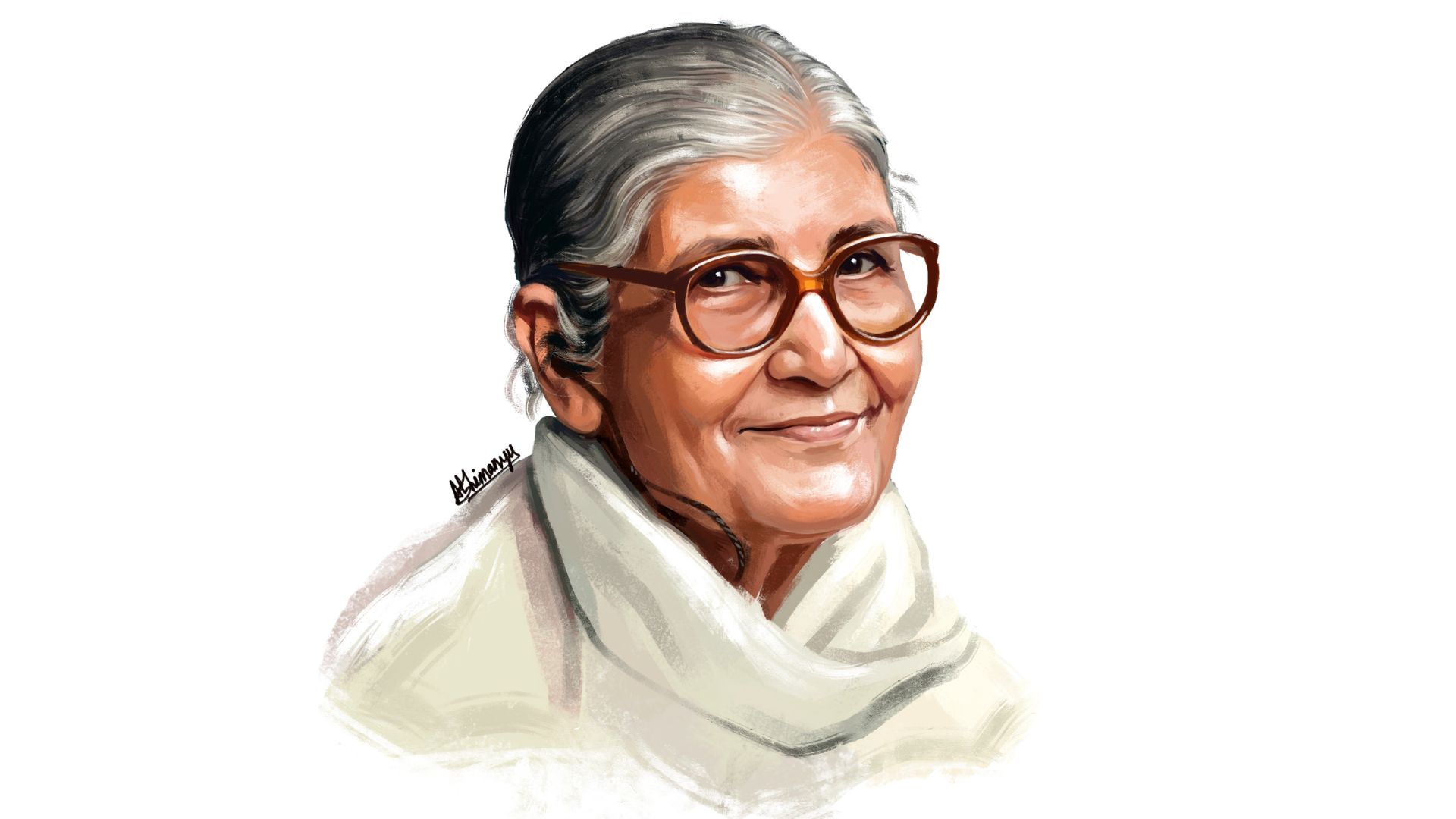



For nearly half a century, Roma Chowdhury walked without shoes. It began in 1972, a year after Pakistani soldiers tortured her, raped her, and burned her home to the ground in the village of Popadia – an act of grief and respect, she said, for the freedom fighters who had died so the rest of the country could walk free. She kept the practice for the rest of her life, through illness and old age, stopping only briefly before resuming it for good in 1998, after burying another son.
Long before she became known nationally by the title Bangladesh gives to its wartime rape survivors – Birangona, or war heroine – Roma Chowdhury was simply an educated woman ahead of her time. Born on 14 October 1936 in Popadia, in Chittagong’s Boalkhali upazila, she completed a master’s degree in Bengali literature from the University of Dhaka in 1961, at a time when few women from rural Bengal reached a university classroom at all. She returned home to a life that, within a decade, the war would tear apart entirely.
The attack came on 13 May 1971. Pakistani occupation forces raided her home in Popadia, tortured and raped her, and set the house on fire. In the war’s violence, she lost her husband, who left the marriage in its aftermath, and two of her children. She would go on to lose still more: Her youngest surviving son was killed in a road accident on 16 December 1998 – Bangladesh’s own Victory Day – a coincidence that only deepened the grief she had carried since 1971. Only one son, Jahar Lal Chowdhury, would outlive her.
What Roma Chowdhury did with that grief became, over decades, its own quiet form of public memory. Beginning in 1972, she walked without footwear, a personal ritual of mourning and respect for the martyrs of the Liberation War that she maintained almost without interruption until her death – pausing only for serious health complications, and resuming permanently after her 1998 loss.

Neighbours and journalists who encountered her in Chittagong over the years came to recognise her by that detail before they recognised her by name: An elderly woman, walking the same roads barefoot that Pakistani soldiers had once walked in boots.
Roma Chowdhury did not stay silent about what had happened to her, at a time when most Birangonas were pressured, by shame or by silence, to do exactly that. She became a writer, publishing 19 books over her lifetime, and her most significant work remains her autobiography, Ekattorer Jononi (“Mother of ’71”), a first-person account of the torture inflicted on her and on women like her during the war.




In a country where the rape of an estimated 200,000 to 400,000 women during the Liberation War was, for decades, spoken of in official terms but rarely in survivors’ own words, her book stood as one of the earliest and most direct testimonies to come from a Birangona herself.
That willingness to speak publicly made her a recognisable figure well beyond her own village. She gave interviews late into her life, never asking for the sympathy her story might have invited.
In her final years, age brought its own toll: Diabetes, chronic obstructive pulmonary disease, hypertension, and eventually a hip fracture that put her in a Chittagong hospital bed in early 2018. Even there, visitors found her more inclined to recite Rabindranath Tagore from memory than to dwell on her own condition: A brief, unprompted turn to poetry that said more about her spirit than any medical chart could.
Roma Chowdhury died on 3 September 2018 at Chittagong Medical College Hospital, at the age of 81. Her body was taken to the Chittagong Central Shaheed Minar, where people from across the city came to pay their respects, and she was given a state honour by a police contingent before being laid to rest in her home village of Popadia, beside the grave of one of her own sons
Nearly five decades after the war that took her husband, two of her children, and very nearly her life, Roma Chowdhury remains one of Bangladesh’s most recognisable Birangonas, not because the state gave her a title, but because she refused to let that title reduce her to a victim.
She wrote. She testified. She kept walking, one bare footstep at a time, until her body simply couldn’t anymore. In the country’s long and still-unfinished reckoning with what happened to its Birangonas, hers remains one of the few voices that told its own story, in its own words, for as long as she lived to tell it.