Alex Genehr leads the Leaf Operations of BAT Bangladesh, overseeing an integrated agribusiness supply chain that supports thousands of contracted farmers and connects local production with global markets.
With nearly two decades of experience across the wider BAT Group, he has worked in multiple markets in roles spanning planning, sourcing, exports and leaf operations management.
In this interview, he reflects on BAT Bangladesh’s engagement with farmers, the continued growth of leaf exports and the company’s efforts to enhance operational efficiency, including plans to transform the Kushtia leaf processing facility into a year-round factory. He also shares perspectives on how innovation and sustainability are shaping the future of agriculture in Bangladesh.
You’ve been working closely with Bangladesh’s agricultural sector for some time. What has your experience been like working with farmers across the country?
Alex: It has been a very rewarding experience. I work with an outstanding team that is highly skilled, passionate and welcoming, and that same spirit is reflected in the farmers and communities we work with. Their warmth and professionalism, along with a relationship with BAT spanning more than 50 years, made me feel at home quickly after arriving in Bangladesh.
Our partnership is built on mutual respect and a shared commitment to improving livelihoods. BAT Bangladesh provides technical guidance, agricultural support and a guaranteed market for the contracted crop. This has helped farmers strengthen their income over time and created a strong bond between the company and farming communities.
It has also been inspiring to travel across Bangladesh and see how farmers manage multiple crops throughout the year. Their dedication contributes to a vibrant and productive agricultural landscape.

You lead an operation that engages with a record number of farmers in Bangladesh. How are these farmers benefiting from this partnership, both in terms of skills and livelihoods?
Alex: At BAT, we focus on supporting farmers in achieving sustainable and stable incomes. To understand income levels and living conditions, we conduct regular assessments using globally accepted benchmarking approaches.
A recent survey across 1,392 households indicated that tobacco-farming families in Bangladesh earn, on average, three times more than non-tobacco households. Because it is a cash crop, farmers are able to finance their own operations and reinvest in other agricultural activities.
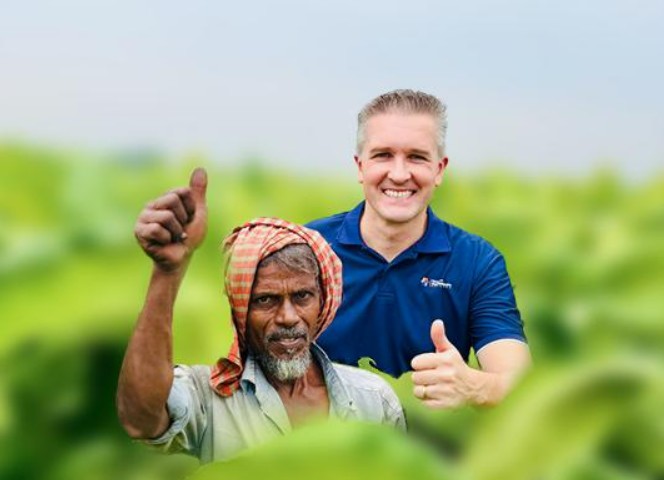
Our engagement also goes beyond tobacco cultivation. We support farmers in diversifying and increasing productivity in crops such as paddy, ginger, mushrooms and vegetables, helping strengthen food security while broadening income streams.
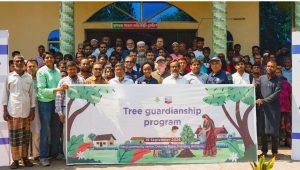
Alongside its agricultural initiatives, BAT Bangladesh implements environmental and social programmes, including one of the country’s largest private-sector afforestation efforts, alongside community initiatives that empower rural women through skills development and support access to education for children.


Bangladesh’s tobacco leaf exports have been growing in recent years. How is BAT Bangladesh contributing to this growth, and what more can be done to unlock the sector’s potential for earning foreign currency?
Alex: BAT Bangladesh has contributed significantly to the sector’s export growth, recording strong performance for two consecutive years, including an 18 per cent increase in 2025 and export revenue of around $85 million. This accounts for roughly one-third of Bangladesh’s total tobacco leaf exports.
A key driver of this performance has been improving leaf quality. Through modern technology, new hybrids, better agricultural practices, technical coaching and field-level support, we work with farmers to produce higher-grade leaf that meets the requirements of international buyers.
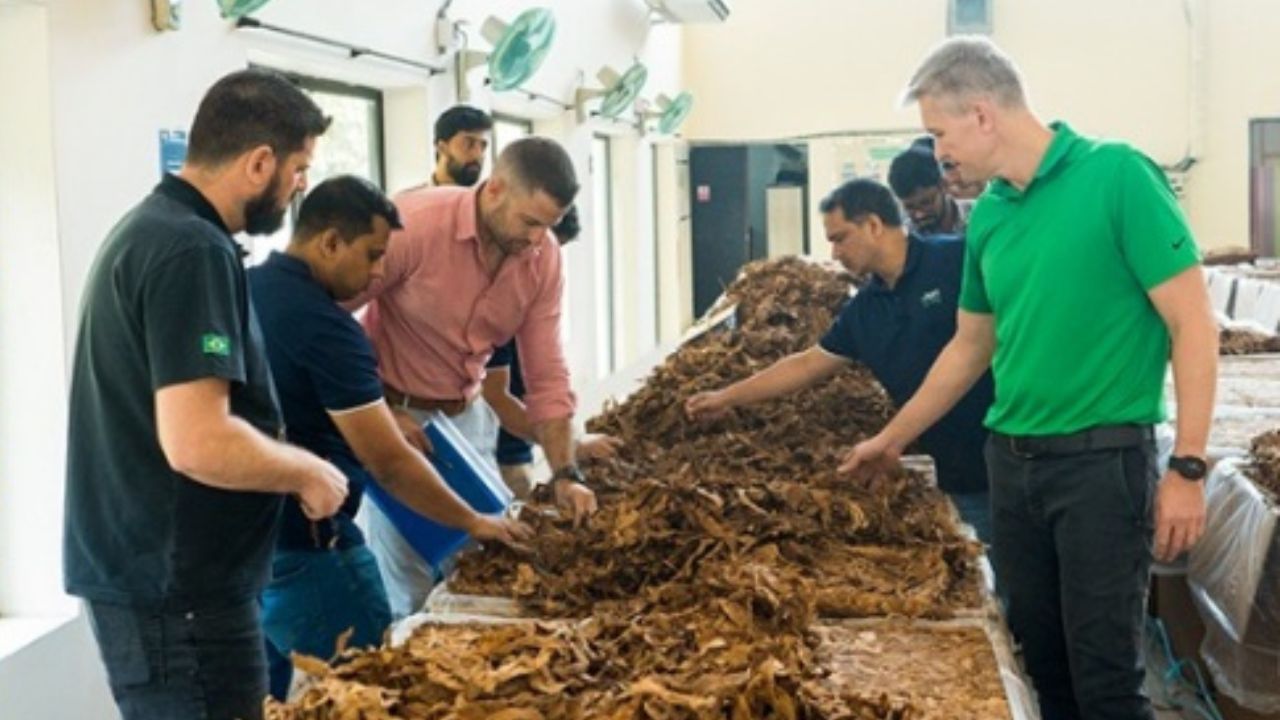
In parallel, we continue to invest in ESG initiatives, covering responsible sourcing, environmental stewardship, safe working practices and farmer livelihoods, while ensuring full compliance with BAT Standards and evolving global market expectations.
To further expand export potential, collaboration across the value chain will be important. A stable regulatory environment, continued investment in quality improvement and supportive policies for farmers and processors can help Bangladesh remain competitive as a global supplier while supporting livelihoods across the sector.
BAT Bangladesh has discussed transforming its Kushtia leaf factory into a year-round operation. What is the reasoning behind this move?
Alex: The plan to convert the Kushtia Leaf Factory into a year-round operation is aimed at expanding export capacity while strengthening foreign currency earnings and employment stability.
Operating throughout the year would allow us to increase processing time, respond to growing international demand and support ambitions to scale exports in the coming years.
Given that the factory directly and indirectly supports the overall economy of the Kushtia region, year-round operations could further strengthen its contribution and significantly enhance the livelihoods of the people who depend on it.
How important is innovation for Bangladesh’s agricultural sector, and how is BAT Bangladesh contributing to this?
Alex: Innovation is essential for building a more productive and resilient agricultural sector in Bangladesh. At BAT, innovation is central to our partnership with farmers, helping them increase yields, reduce costs and make better use of limited land.
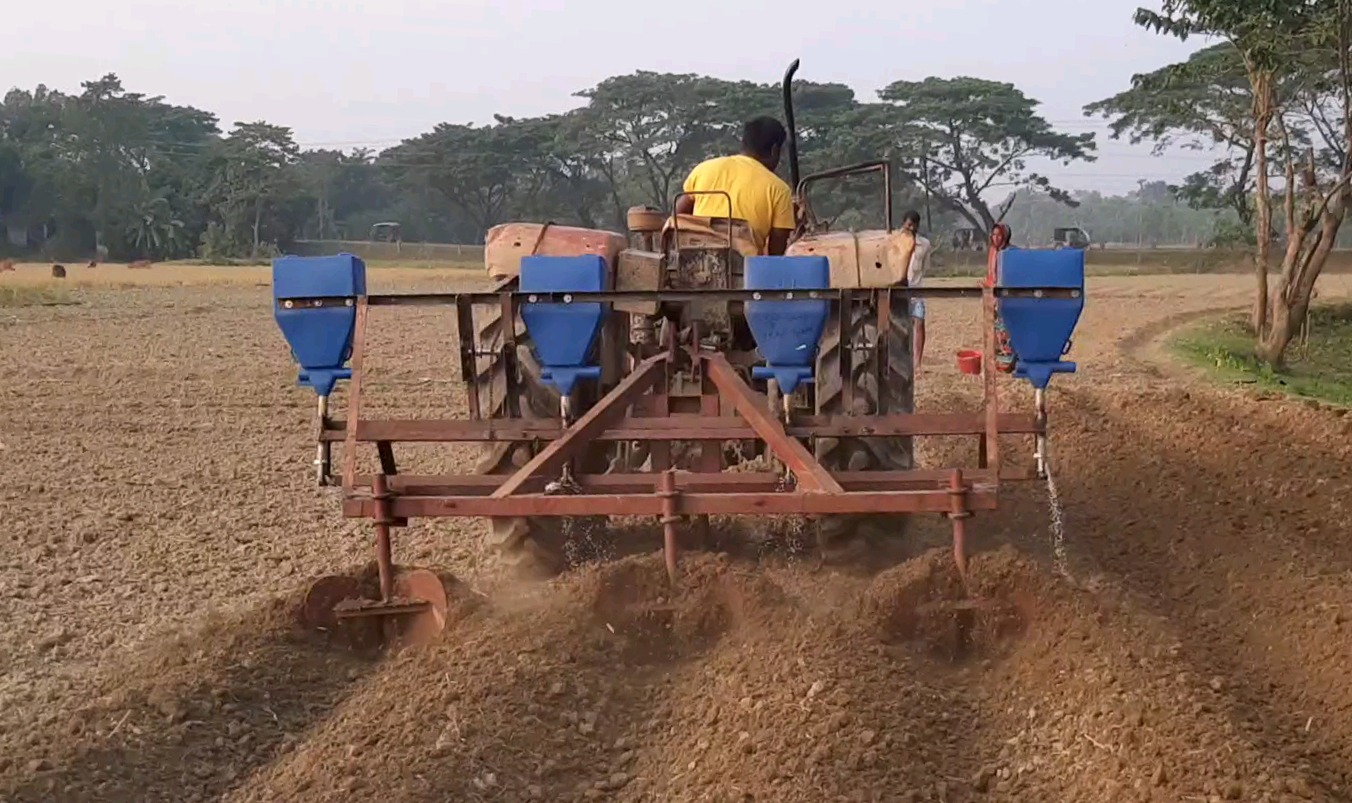
We are supporting modernisation through mechanisation projects that reduce labour dependency and improve processing efficiency. This is complemented by technological packages that include precision farming tools, improved curing technologies and agronomy guidance.
Another key area is hybrid seed development through our Asian AgriTech Hub in Kushtia, where we collaborate with global teams. These hybrids have helped farmers improve yields and quality while using less land and fewer inputs.
Given concerns surrounding tobacco farming, how does BAT Bangladesh seek to ensure its leaf operations are sustainable?
Alex: Sustainability is central to how we operate, and much of that comes from the long-term partnerships we’ve built with our farmers. These relationships allow us to provide consistent support so they can strengthen both productivity and resilience.
There is also a need to demystify misconceptions about tobacco cultivation that don’t reflect field realities. Tobacco is a one-in-three crop, grown only once a year, giving farmers the rest of the year to cultivate two additional food or cash crops.
Good Agricultural Practices are at the heart of our work. We promote responsible soil and water management, integrated pest control and improved seed and curing technologies to help farmers achieve higher yields with lower environmental impact.
Beyond farming, our ESG initiatives help ensure that our supply chain remains responsible and resilient. By maintaining close engagement with farmers and stakeholders, we aim to support rural livelihoods while strengthening Bangladesh’s position as a reliable global supplier of quality leaf. By continuing to work together, we can ensure that the progress achieved so far is strengthened and that the sector continues to contribute positively to rural communities and the national economy.