With Eid arriving in the heart of summer, fashion this season is leaning towards convenience and constructed elegance. From airy fabrics and relaxed silhouettes to statement accessories and playful layering, festive style is becoming as much about comfort as it is about celebration.
We spoke to three creative personalities: Syed Yasir Alam, Ijlal Razi and Ezmat Naz Haque, who, through their distinct fashion sensibilities, share their thoughts on the trends, colours, styling elements and wardrobe staples defining this season’s Eid style.
Ijlal Razi
For Ijlal Razi, personal style goes far beyond clothing. As Head of Design and Branding at Lubnan Trade Consortium Ltd and a long-time contributor to Bangladesh’s evolving fashion industry, he sees style as a language of identity rather than a seasonal pursuit.
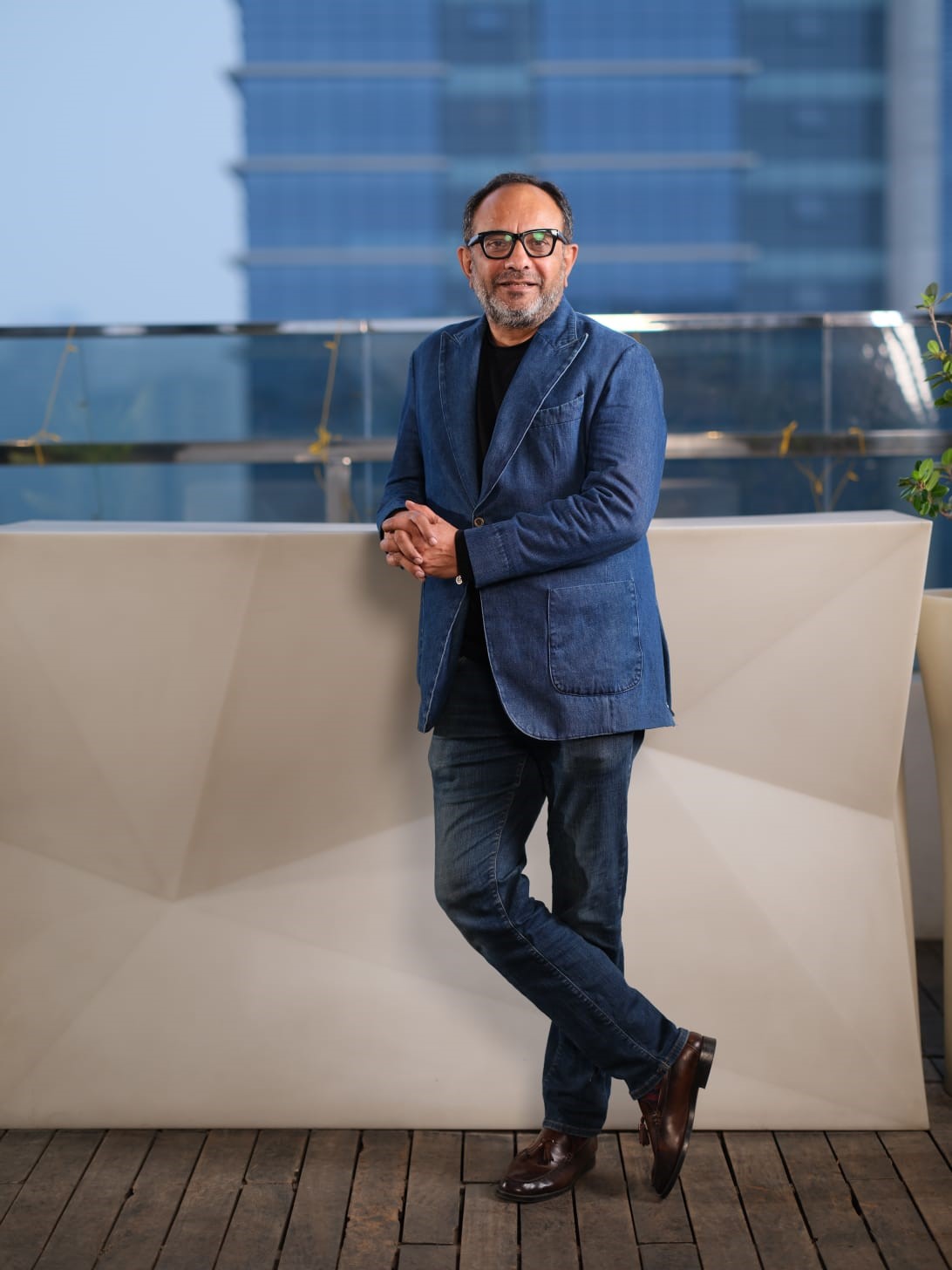
In an interview with the Times of Bangladesh, Ijlal explained that personal styling is “a visual way of expressing your lifestyle, taste and stature.” Whether through attire, grooming, or the way one carries oneself, style becomes an extension of who a person is.
In today’s trend-heavy culture, he advocates for a more intentional approach to dressing. “Start with figuring out the right fit and look for yourself,” he said, emphasising that confidence is rooted in understanding what suits the body and personality rather than chasing what is popular.
For those just beginning to explore fashion, he suggests investing in timeless essentials: well-fitted jeans, crisp white T-shirts, breathable linen shirts, and versatile footwear such as penny loafers or clean sneakers. He also notes that browsing menswear platforms can help build an instinct for colour coordination and modern silhouettes.
To Ijlal, styling is about balance. Fit, colour, and accessories should come together harmoniously to create a refined look. During summer, he prefers breathable fabrics and effortless combinations. “I imagine a linen outfit with an olive shirt, paired with white or navy trousers, finished with a braided brown belt and tan loafers,” he said, describing what is often referred to as an “Old Money” aesthetic, understated yet timeless.
Body type and complexion, he believes, can refine styling choices when understood correctly. Slim builds can benefit from structured layering and tapered fits, while broader frames are better suited to streamlined cuts and vertical detailing. Shorter individuals, meanwhile, can experiment with cropped jackets and higher-waisted trousers to create proportion.
Colour also plays a defining role. “Warm complexions suit earth tones and olive shades, while cooler undertones work well with blues, jewel tones and soft greys,” he said. He adds that high-contrast outfits create stronger visual impact, while tonal dressing brings quiet elegance.

With Eid falling in the peak of summer heat, Ijlal emphasises comfort as non-negotiable. Linen, cotton, Tencel and modal are his preferred fabrics. Traditional silhouettes, he suggests, should evolve with ease in mind rather than rigid structure. “Dressing for the occasion goes a long way,” he said.
His Eid favourites include straight, knee-length panjabis with band collars, collarless Lucknow styles, and open-front waistcoats that add formality without weight. He also highlights short kurtas paired with flared Dhaka pyjamas as a contemporary yet rooted festive choice.
When it comes to embellishment, restraint is key. Subtle jacquards, muted embroidery, fine stripes and light chikankari work take precedence over heavy prints. His palette leans toward pastels, ivory, beige and soft neutrals, occasionally accented with deeper tones like navy or maroon.
“I usually begin with a statement piece, something defined by texture, colour or silhouette and build the outfit around it,” he shared. For him, fashion is about restraint meeting expression in equal measure.
He also stresses versatility: “Create pieces that can be paired with what already exists in your wardrobe.” As for trends he would rather leave behind, distressed and ripped clothing. “It often looks careless rather than intentional,” he said.



For Ijlal, sophistication is not borrowed; it is built over time through thoughtful choices, subtle refinement and clarity of self.
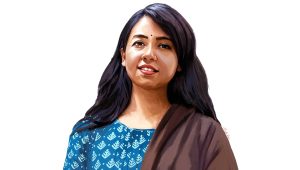
Ezmat Naz Haque
When fashion is often dictated by fast-moving trends and curated visuals, Ezmat Naz Haque, designer behind the label Rima Naz, takes a more grounded and introspective approach rooted in individuality.
Her philosophy does not begin on the runway but in everyday life, in how a woman feels, moves, and chooses to present herself.
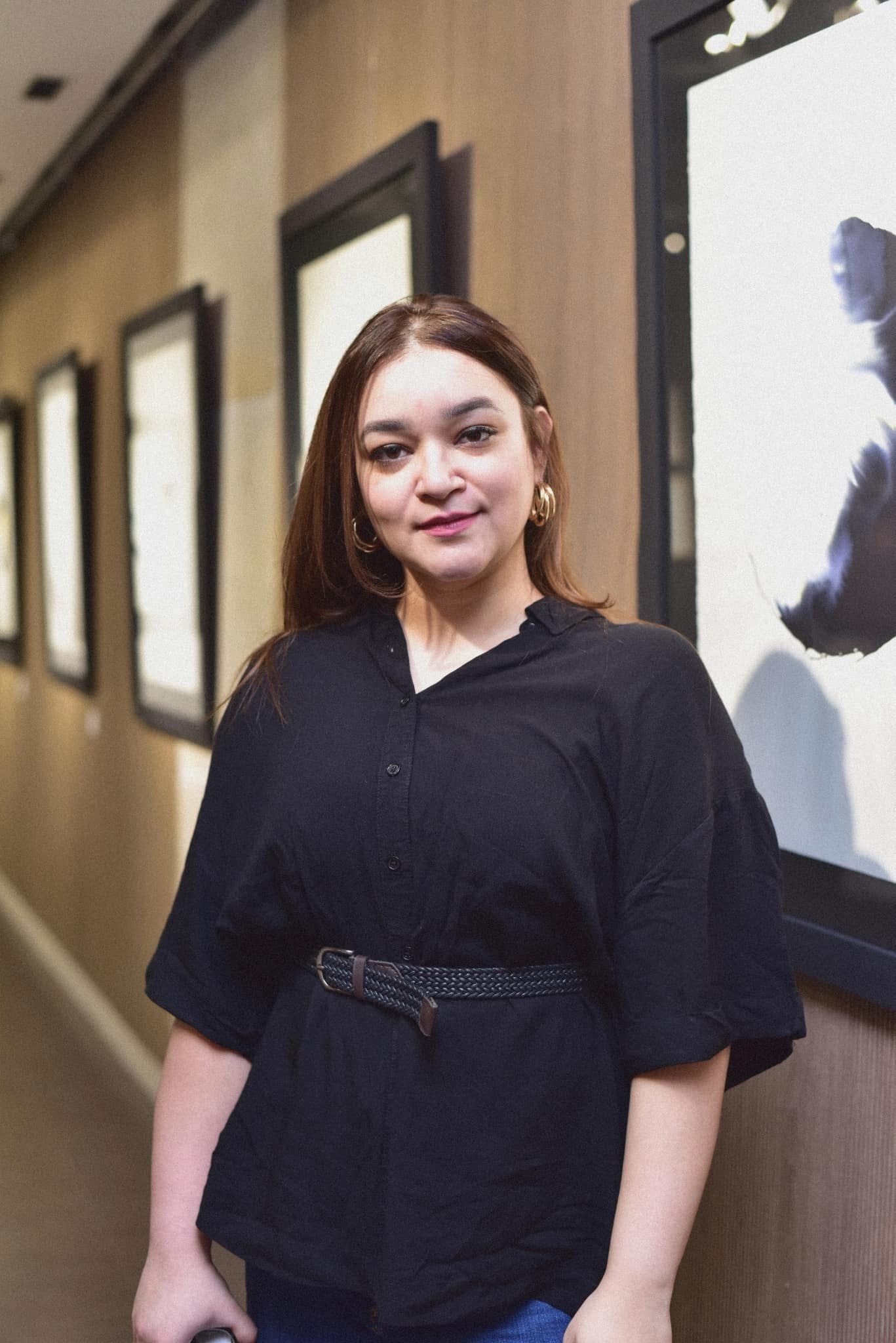
“Personal style is how you express yourself without saying a word,” she said. “It’s not about what’s trending, but what reflects your individuality. If you try too hard to follow fashion, then it’s not truly personal.”
For Naz, style is closely tied to confidence and self-awareness. “It’s important for women today to understand what they want,” she explained. “Self-esteem is shaped by what they choose to wear, and social media makes everything available, but the real challenge is choosing what feels like you.”
Her advice for beginners is simple: understand your lifestyle first. Start with the basics and build gradually, rather than chasing trends. Inspiration, she says, can come from anywhere, but what matters is the emotional response, not replication.
When asked about body type or complexion influencing style, she is firm. “Not at all,” she said. “It’s about confidence. Whether it’s light pink or neon pink, it depends on how you carry it.”
With Eid arriving in the heat of summer, her focus shifts to comfort-driven elegance. Lightweight fabrics such as cotton and linen take priority, while heavier materials like silk or georgette are avoided in daily festive wear.
Her ideal wardrobe includes cotton sarees with floral embroidery, block prints and subtle motifs, alongside airy co-ord sets and soft silhouettes in muted shades. “If it’s uncomfortable, it doesn’t look good,” she said. “It becomes overwhelming for both the wearer and the viewer.”
Through her label, she aims to balance elegance with wearability. “A-line cuts, Anarkalis, pleated kameezes without heavy lining, these bring festive charm while staying comfortable,” she explained.
Even festive dressing, she believes, should never feel excessive. It should move naturally with the wearer rather than restrict them. “Fashion is expression without rules,” she said.
Despite working in a vibrant industry, Naz personally gravitates towards minimalism, classic cotton sarees or simple three-piece sets. When asked about trends, she quickly mentioned pharsi shalwar. “The hype around it won’t last long,” she said.
For her, fashion is a process of continuous discovery. “It’s trial and error,” she added. “You have to experiment to know what truly belongs to you.” Accessories, footwear and bags, she notes, are not secondary; they are essential in shaping a complete look.
Syed Yasir Alam
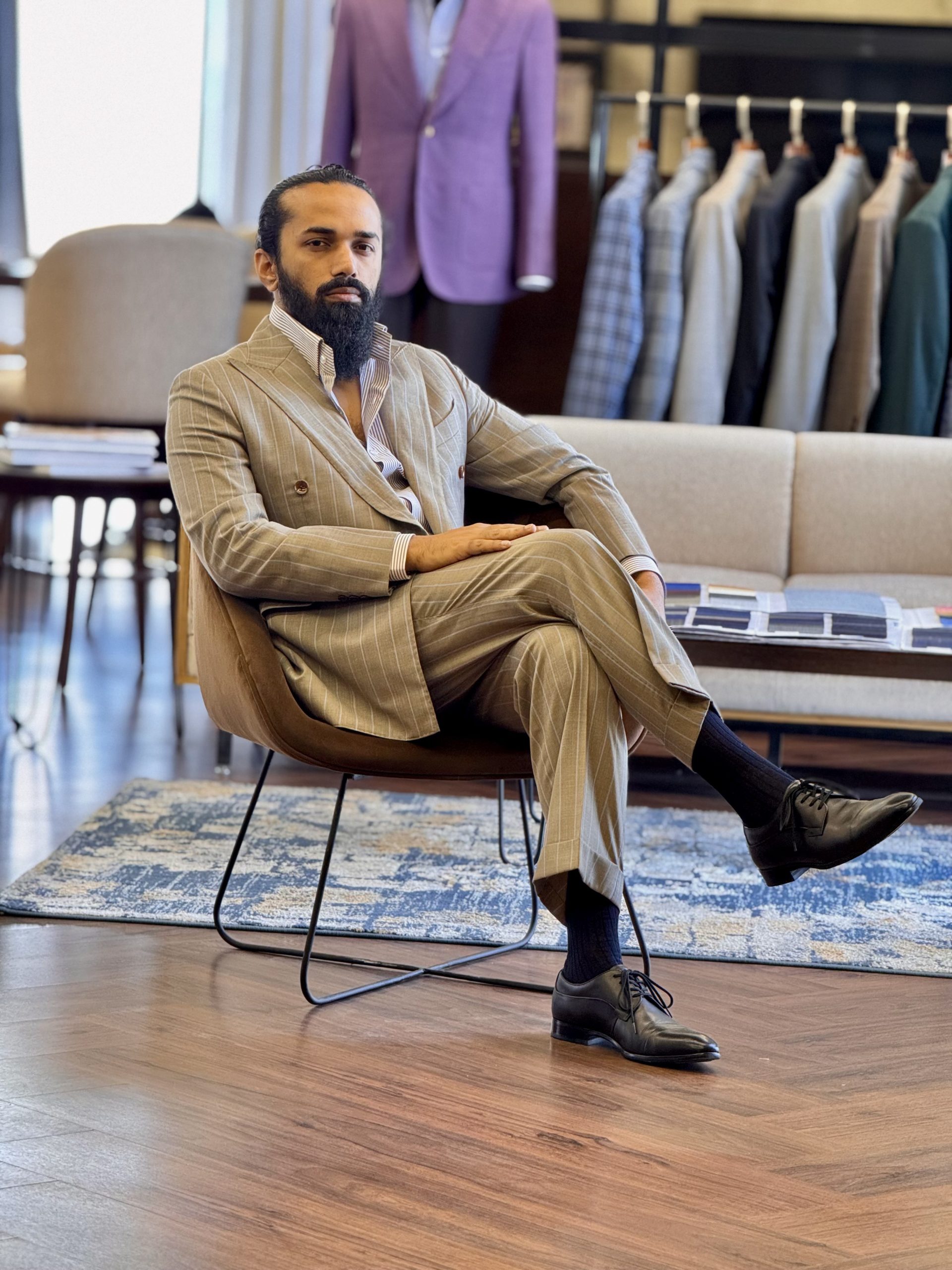
For Syed Yasir Alam, style is not something worn; it is something built. Through Fiero, the bespoke menswear house he founded nearly a decade ago, he has shaped a philosophy rooted in discipline, presence and intentionality.
“We don’t sell fashion, we sell a solution,” he said, explaining that every garment is designed to enhance presence rather than simply fit the body.
To Yasir, personal style begins with self-awareness. It is not about following trends but understanding oneself and translating that understanding into clothing. Simplicity, he believes, is the foundation of knowing one’s body, investing in timeless pieces, and prioritising fit above all.
He also believes style education should begin early. “People should be taught how to dress properly from childhood,” he said, adding that Fiero is exploring children’s wear to encourage this mindset from an early stage.
Rejecting fast fashion culture, Yasir stresses thoughtful curation over impulse buying. He encourages understanding proportions and choosing clothes that align with body structure. “You wear a T-shirt at home, not outdoors, and if you do, layer it properly,” he said.
Fitness, he adds, plays a major role in style. Not necessarily through gym routines alone, but through discipline and diet, which influence how clothing sits on the body.
For those redefining their wardrobe, he suggests gradual change rather than a complete overhaul. “Start with intention, not impulse,” he said. Custom-made clothing, though time-consuming, offers lasting value.
For Eid dressing in summer, Yasir recommends breathable fabrics, lighter tones and relaxed tailoring. Cotton and linen remain essential, while craftsmanship adds refinement.
His personal style mirrors this philosophy, minimal base layers with one strong focal point, whether texture, colour or structure. He also favours fabric blends like wool-linen for structure with comfort. Addressing common mistakes, he warns against excessive colour mixing. “Even a good outfit can fall apart if the colours are too many,” he said.
His final advice is simple: avoid overly tight or oversized fits, understand your colours, and maintain polish at all times. Through Fiero, Syed Yasir Alam continues to champion classic tailoring with modern precision, a vision where discipline quietly defines style.