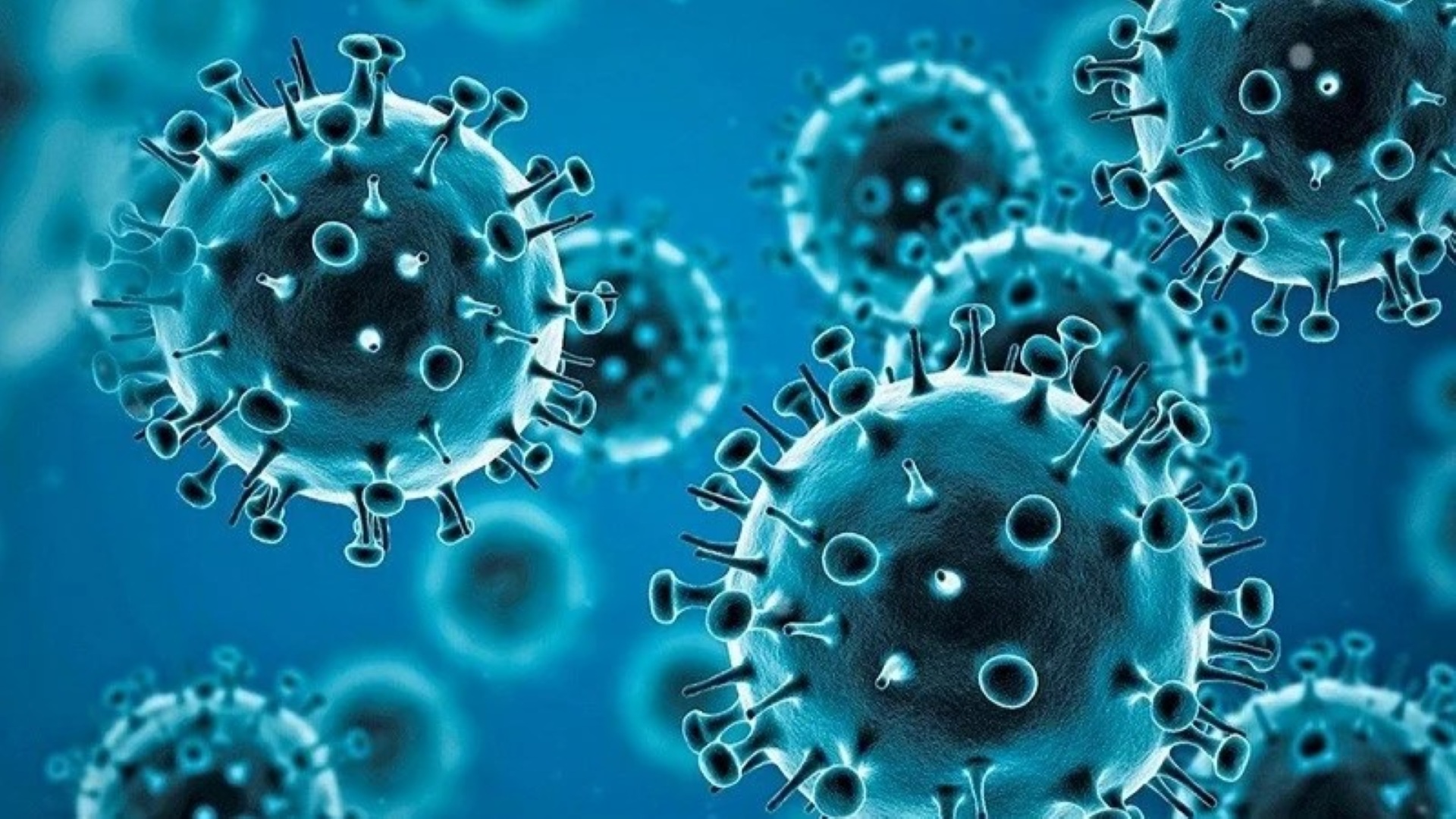



A new coronavirus has been identified in bats in Thailand that can bind to human cells using the same mechanism as COVID-19. Scientists are watching it closely and have been at pains to say there is no cause for alarm. However, that combination of words, a bat, coronavirus, and COVID-19, is worth paying attention to.
The discovery came from a surveillance effort involving researchers from the University of Tokyo and several other institutions. The virus belongs to the sarbecovirus family, which most people had never heard of before 2003 but became familiar with later on. It’s the same family that gave rise to the world-stopping pandemic that we’ve all had to endure.
The new virus has the ability to interact with ACE2 receptors, the same cellular entry point that SARS-CoV-2 exploited to move through the human population and cause a worldwide emergency.

The Ministry of Digital Economy and Society in Thailand confirmed the findings on May 12, after its Anti-Fake News Center flagged the story as one of the most widely circulated items requiring official verification. Through coordination with the Department of Disease Control. The conclusion was careful and consistent: no human infections detected, outbreak risk low, existing Covid vaccines still effective against severe illness.



The virus was found through a One Health surveillance system, the framework that tracks connections between human, animal, and environmental health. Researchers noted that two viral clades had converged on the same bat population simultaneously, with one strain apparently moving east into Thailand from the northern peninsula near Laos. The geography matters as many species of Horseshoe bats range widely across Southeast Asia, carrying viruses across borders that exist only on maps.
Most of what they carry never reaches us. The theoretical chance of a virus binding to human cells in a laboratory setting and one that actually spreads between people is quite different. Scientists are in the right to point this out, and they have done so with care.
However, the finding reflects how seriously the scientific community took the lesson of 2020. Surveillance systems have expanded. Sequencing capacity has grown. The time between discovery and publication has shortened. These are not small things. The bat in Thailand was found, named, and reported in an orderly way that would not have been guaranteed a decade ago.
What remains harder to measure is whether the structures built around that science, the political commitments, the international agreements, the willingness of governments to act on early warnings before they become emergencies, have kept pace with the biology. Because we have all seen how that emergency can shape the world for generations.