Six years after the devastating Super Cyclone Amphan made landfall, more than 100,000 people in the coastal areas of Satkhira are still struggling to fully recover from the damage.
Residents remain unable to regain their economic footing as high soil salinity continues to hinder agricultural success.
Furthermore, the coastal population lives in constant fear of embankment breaches and faces severe crises regarding underdeveloped communication systems, healthcare, safe drinking water, and sanitation.
A trail of destruction
According to meteorological data, the cyclone struck the Satkhira coast on 20 May 2020, with maximum wind speeds reaching 148 km/h. The storm lasted for 15 hours and triggered a 12-foot-high storm surge.

Initial estimates placed the total damage at approximately 1,100 crore BDT.
Data from the district administration reveal that the fisheries sector suffered losses of Tk176.05 crore, affecting 12,698 fish enclosures (ghers).
Agricultural losses totalled Tk137.613 crore, which included damage to mangoes (Tk65.184 crore), vegetables (Tk62.16 crore), betel leaves (Tk10.224 crore), and sesame (Tk2.5 lakh). Additionally, the livestock sector incurred losses amounting to Tk95,48,616.




Infrastructure and housing crisis
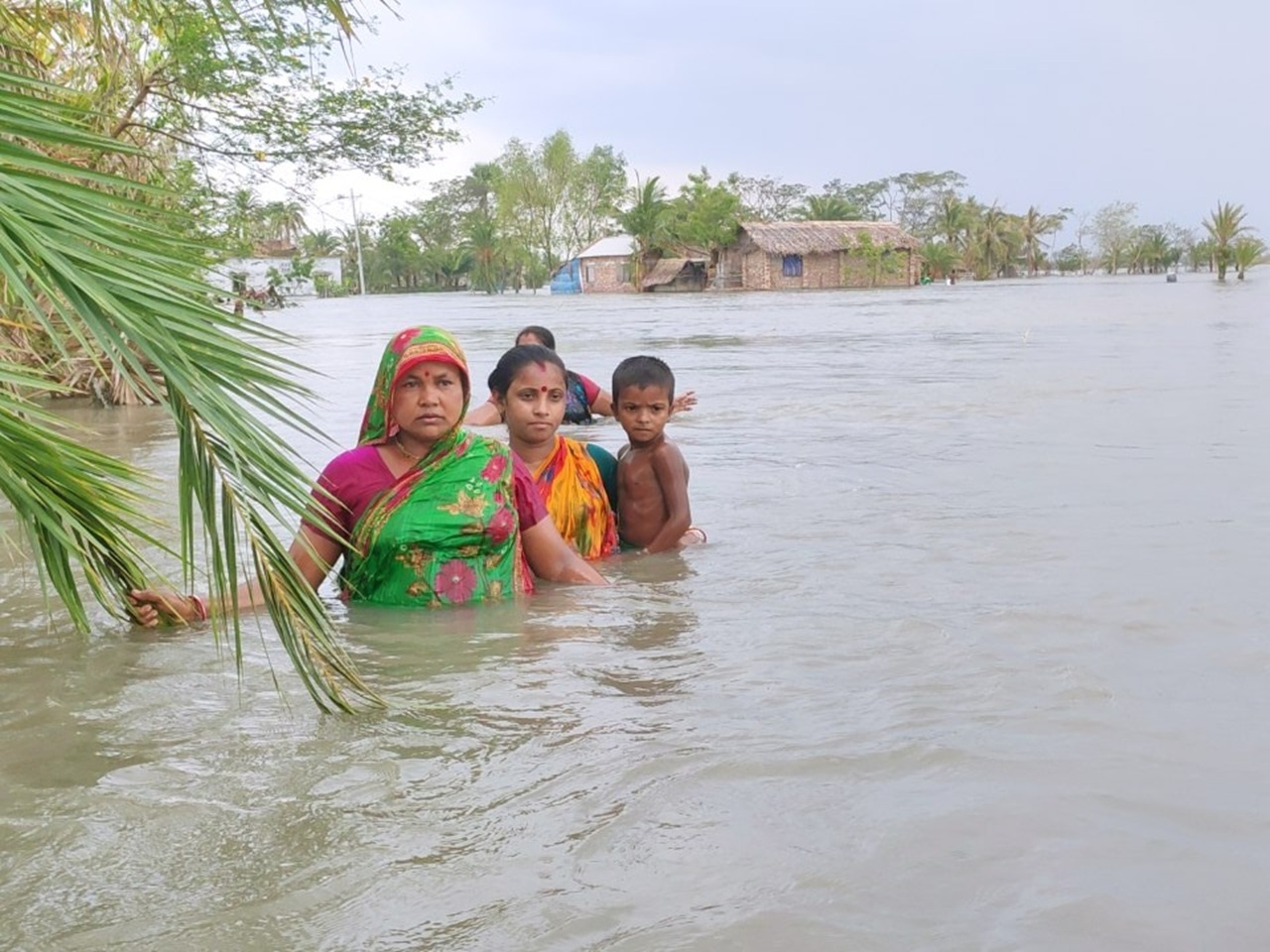
The cyclone destroyed or damaged a total of 83,413 houses across the district, with 22,515 completely demolished and 60,916 partially damaged. Infrastructure damage was also extensive, affecting 81 km of roads and 56.50 km of embankments.
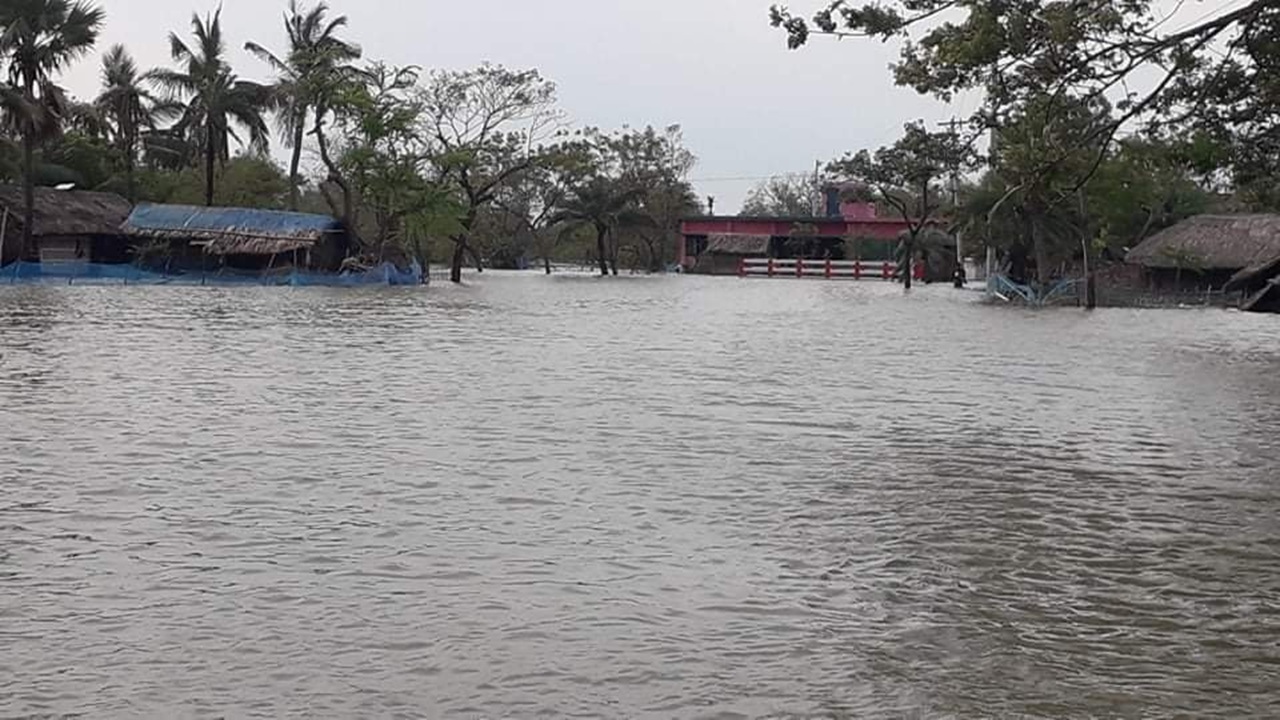
In Shyamnagar Upazila, major portions of embankments in Burigoalini, Gabura, Padmapukur, and Kashimari unions were breached, while in Assasuni Upazila, Sriula and Pratapnagar unions saw vast areas submerged.
Due to the inability to repair these embankments promptly, thousands of people remained waterlogged for over two years, with regular tides flowing through many localities, forcing families to live in inhumane conditions.
Path to recovery
The Bangladesh Water Development Board has identified several embankments in Shyamnagar, Assasuni, and Satkhira as still being in a vulnerable state. However, a mega project is currently underway in the Gabura Union of Shyamnagar to develop sustainable embankments.
GM Masudul Alam, chairman of Gabura Union Parishad, stated that residents are beginning to turn their lives around following years of suffering.
He noted that under government supervision and the coordinated efforts of the Water Development Board, the construction of modern, sustainable embankments at major breach points is progressing rapidly.
Alam expressed hope that the completion of these mega projects would secure the entire coastal region and allow residents to regain their livelihoods and homes.
Similarly, Abu Daud Dhali, Chairman of Pratapnagar Union Parishad – the area most severely affected by the cyclone – stated that people are working tirelessly to move forward through various public and private assistance programmes.
He remains optimistic that the completion of sustainable embankments and successful rehabilitation processes will finally end the long-standing suffering of the local community.