Press Freedom Day is more than a symbolic observance. It is a moment to reflect on how far a nation has progressed in protecting journalists and ensuring freedom of expression. In Bangladesh, this reflection is deeply tied to unresolved questions of justice, accountability, and safety.
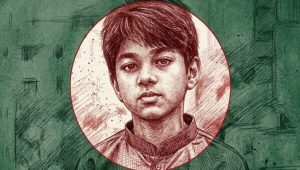
The tragic killing of journalist couple Sagar Sarowar and Meherun Runi remains one of the most painful reminders of the risks journalists face and the persistent gaps in delivering justice.
Since independence, a significant number of journalists in Bangladesh have lost their lives while performing their professional duties. Various rights organizations and media watchdogs have documented dozens of such killings. Yet only a few cases have been resolved, while many remain under investigation or stalled in lengthy legal processes. This pattern of delayed justice raises serious concerns about accountability and the rule of law.
The case of Sagar and Runi stands as a symbol of this broader failure. Their brutal murder shocked the nation and drew widespread condemnation. They were not criminals. They were professionals committed to informing people, empowering citizens, and highlighting rights, needs, and gaps in society.
Journalists play a vital role in serving humanity by raising awareness and contributing to social and national development. However, years after their deaths, justice remains elusive, reflecting systemic weaknesses and a troubling culture of impunity.

Justice delayed is justice denied. Each unresolved case weakens public confidence in institutions responsible for ensuring law and order. When crimes against journalists are not properly investigated or prosecuted, it sends a dangerous message that such acts may go unpunished. This creates fear within the media community and discourages investigative reporting.
The broader context of press freedom in Bangladesh further reflects these challenges. In global press freedom rankings, Bangladesh continues to face criticism for declining standards. Reports from international organizations point to issues such as restrictive laws, harassment, legal pressure, and political influence over media.
These concerns, combined with unresolved cases of violence, create a difficult environment for independent journalism. It is important to remember that the protection of journalists is not only a national responsibility but also an international obligation.
Global frameworks such as the United Nations Charter and various human rights instruments emphasize the importance of freedom of expression and the safety of media professionals. Nationally, the Constitution of Bangladesh guarantees freedom of expression and freedom of the press, recognizing these rights as fundamental to democracy.




Despite these commitments, the gap between principle and practice remains significant. Journalists continue to face risks without adequate protection. This raises an important question: if legal, constitutional, and international safeguards exist, why is there still a lack of effective response to ensure the safety of journalists?
Journalists are essential agents of empowerment. They inform citizens, expose corruption, and highlight inequalities. Their work supports national development by promoting transparency, accountability, and informed decision making. A strong and independent media contributes directly to a stronger and more resilient nation.
When journalists are threatened, harassed, or killed, it is not only an attack on individuals but also on society as a whole. It undermines the public’s right to know and weakens democratic institutions. The lack of justice in cases like Sagar and Runi reinforces fear and discourages others from pursuing critical reporting.
Accountability must therefore be at the center of any response. Those responsible for crimes against journalists must be identified and brought to justice. At the same time, institutions responsible for investigations must act with transparency, professionalism, and independence. Delays and inaction must be addressed with urgency.
Press Freedom Day should serve as a reminder of these unfinished responsibilities. It is not enough to acknowledge the importance of press freedom in principle. Concrete actions are needed to ensure the safety of journalists and the timely resolution of cases involving violence against them.
The state has a crucial role to play. Protecting journalists requires both preventive and responsive measures. Ensuring security, strengthening legal protections, and conducting credible investigations are essential steps. At the same time, engagement with media organizations, civil society, and international bodies can help rebuild trust.
Public awareness and collective action are also important. Citizens, media, and civil society must continue to demand justice and accountability. Sustained attention can help ensure that cases are not forgotten and that pressure remains for meaningful progress.
The memory of Sagar and Runi should not fade. Their case represents a broader struggle for justice, press freedom, and human dignity. Honoring their legacy requires action to ensure that journalists are protected and that no crime against them goes unpunished.
Press Freedom Day is an opportunity to reaffirm commitment to freedom, justice, and accountability. It is a call to ensure that journalists can work without fear and that their rights are respected.
In the end, press freedom is not only about journalists. It is about the right of people to access information, to question authority, and to participate in democratic life. Ensuring justice for Sagar and Runi is therefore both a legal obligation and a moral responsibility.
As Bangladesh observes Press Freedom Day, the unresolved cases of murdered journalists remain a stark reminder that the journey toward justice is far from complete. Addressing these challenges will determine not only the future of journalism but also the strength and credibility of democracy in the country.
The author is a freelance writer.