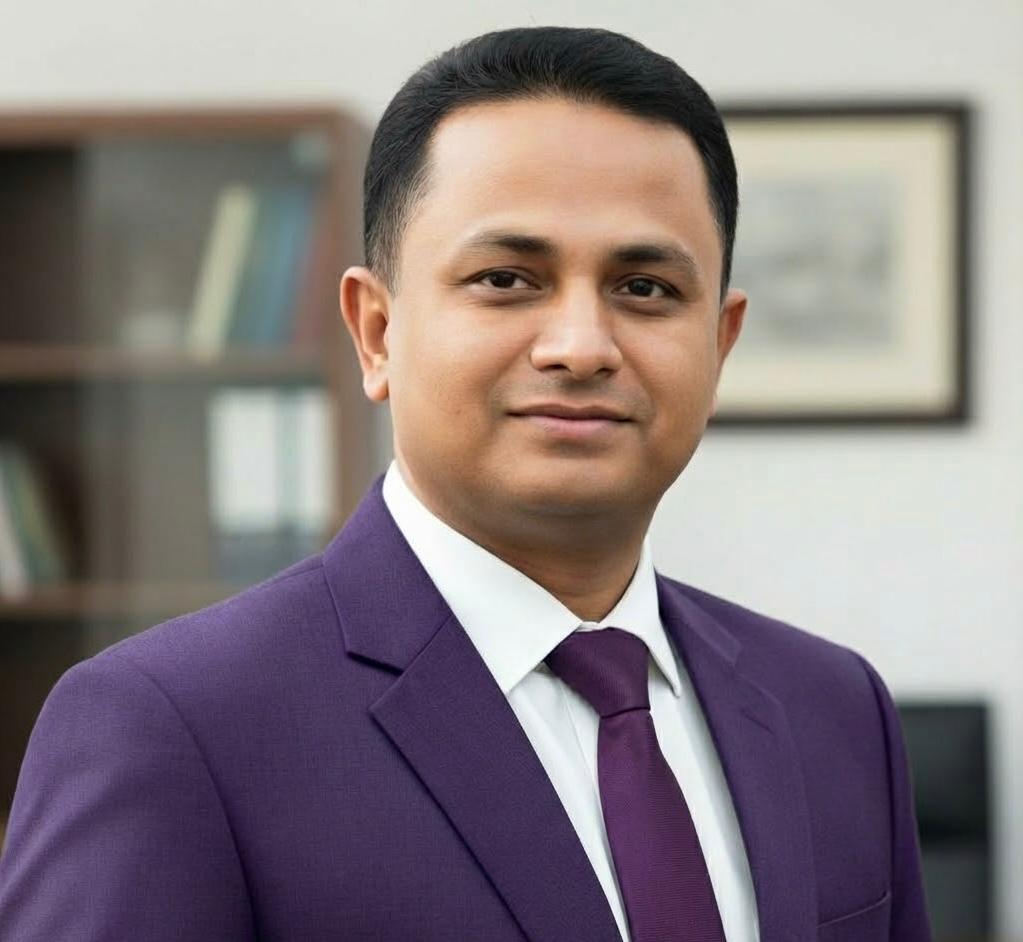

Open Facebook or Instagram these days, and one may feel that the calendar has suddenly travelled back four decades. Friends, colleagues, celebrities and even people who were not born in the 1980s are appearing in photographs that look as if they have come from old film magazines or family albums. Men are becoming moustachioed heroes in wide-collared shirts, while women appear as glamorous heroines in colourful saris, elaborate hairstyles and oversized jewellery. The latest social media trend is to think about what it would be like to be an ’80s star, aided by artificial intelligence.
This has become a craze throughout Instagram, Facebook and TikTok. Users upload photos and use AI image generation tools to create a portrait with a style similar to the 1980s. The results usually contain vintage fashion, lighting, soft focus, film grain, and dramatic studio poses. Some do Bollywood portraits, others old wedding photos, family albums or vintage photo studios.
The 80s have a special significance in South Asian culture. It was the time of cassette players, handwritten letters, colourful television screens, cinema posters and photographs. This decade in Bangladesh is a unique popular culture defined by film songs, bright fashion, dramatic hairstyles, and the joy of seeing their own favourite actors on the big screen.
But there is something intriguing about the technology that has made life faster and more connected, helping people to recreate an analogue past. AI is giving rise to a pseudo-visual language of a time before smartphones, social media, and generative AI. It’s not the first time that social media has made the past a fashion statement. Previous trends included turning photographs into cartoons, animated characters and artistic styles. The current ’80s wave is not just about looking like an ’80s icon, but imagining a version of yourself that would fit into one of those films. This trend is also popular, which shows the use of social media. Photos are no longer just to capture life. They express feelings, form identities and engage in cultural moments.

Nostalgia tends to provide a highly selective perception of the past. Its drawbacks and joys may be remembered by those who lived through the 80s. There was less access to information and less convenience in doing daily activities. The old days did not necessarily have less of a hassle; they were just different. Nostalgia selects certain images, sounds and emotions and frames them in a more appealing perspective. The old hairstyles, coloured clothes and grainy photos evoke a simplified life while the tribulations of the time tend to get lost. But nostalgia can also offer solace and cultural links. It reminds us that our identities are formed by previous generations, traditions and common experiences.
These AI-generated images might spark curiosity in the younger generation about the music, movies, fashion and history of that decade. The trend could be a sign of dissatisfaction with the current situation. The past is seductive because it feels less noisy and less overwhelming than the Internet, where everything is constantly compared. The trend also reflects the rapid uptake of AI into the mainstream. The art of convincing retro portrait used to take a lot of preparation – in days gone by, professional photography, costumes, make-up and editing were necessary. Nowadays, with a picture and a creative direction, anyone can achieve the same effect.




This represents a democratisation of creativity. Individuals not trained in photography or design can explore and experiment with historical styles and imagined identities. Users can become photographers, costume designers and art directors for their digital lives with AI.
But this is a nice convenience, with important questions raised. Users may include personal information in their photos when they upload them to AI sites. People don’t need to be careless about privacy because of the fun and enjoyment of making attractive portraits. Authenticity is also a matter of concern. Traditional photographs take a look at things that occurred. AI-generated portraits are imagined creations that would appear to be historical records. They can be lovely and moving, but what is different in reality and what is imagined in digital form can make all the difference, particularly if images are shared without explanation.
As with most other trends in social media, the ’80s portrait craze will eventually subside and be replaced by another style, perhaps by the next decade or imagined future. But the motivation behind the trend will continue. Individuals will keep using technology to review the past, to play with identity and to express relationships with the past.
What’s captivating in this trend is the fusion of technology and heritage. The use of artificial intelligence is not just about generating futuristic images; it’s also about reconnecting with old photographic styles, the aesthetics of cinema and emotional links to another era.
It’s okay to have fun with the fantasy. We can laugh at the old photos of us and savour the way AI takes us to a different look. However, the past is not just a story of hairstyles, costumes or film grain. It is in the relationships, experiences and memories that formed generations.
The protagonist or the protagonist’s counterpart of the 1980s could be a product of AI. But the nostalgia is human. It may be this why it has become so popular; in a world that is more and more driven by machines, people are looking for ways to make them connect with memories, feelings and imagination, which are unique to them.
The views expressed in this article are solely those of the author
The writer is an Associate Professor, Department of Public Administration, University of Rajshahi, E-mail: [email protected]