
Bangladesh has done something no Least Developed Country (LDC) has done before. In August 2026, it floated a $2 billion equity fund in Hong Kong, a first for an LDC in a major financial hub. Policymakers will celebrate the milestone. Analysts should ask what it is actually compensating for. The fund is a lifeline for an industrial base that depends on a financial sector still weighed down by non-performing loans. It treats a symptom and leaves the condition untouched.
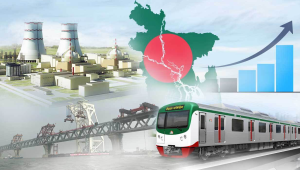
The condition is structural. Bangladesh’s export model rests on trade privileges reserved for the world’s poorest countries, and those privileges are expiring. UNCTAD’s recent assessment puts the cost at $17.5 billion in lost exports. Dhaka’s strategic response has been a pivot towards China: new factories, new investment zones, new capital. The China Economic and Industrial Zone (CEIZ) alone is expected to attract $500 million and generate 100,000 jobs.
Policy conversation, however, is dominated by the wrong variable. Headline figures are easy to announce and hard to sustain, and they conceal a basic deficit: Bangladesh and China barely know each other. Government-to-government dialogue cannot close that gap on its own. The political context makes this more than an academic point. A pivot of this scale needs public trust to survive, and it needs a cadre of technocrats capable of executing it. Both come from mutual understanding, which in turn comes from a people-to-people foundation. The most practical place to start is not another fund. It is youth exchanges between Bangladesh and Hong Kong.

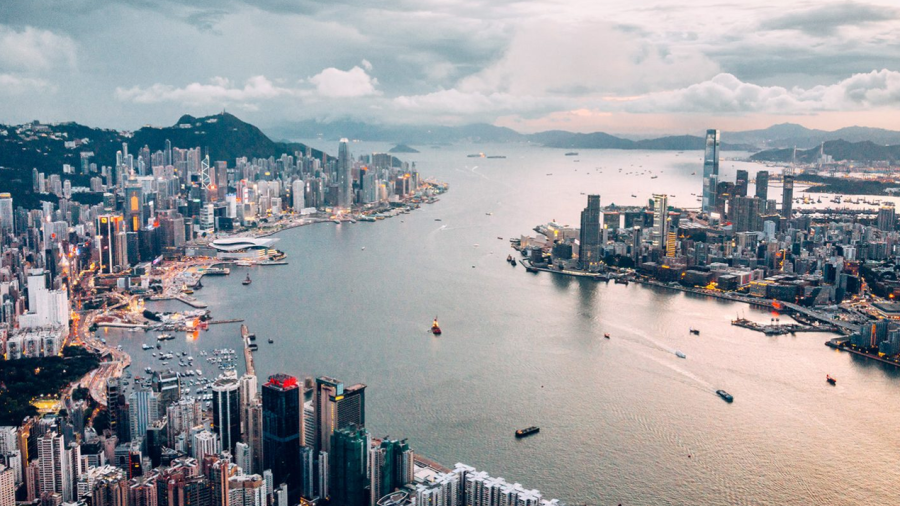
Hong Kong is the logical venue. As the gateway between China and the world, it offers something the mainland cannot: market-led rules a Bangladeshi graduate already understands, inside China’s economic orbit, under the One Country, Two Systems framework. A young Bangladeshi trader can observe how Chinese capital moves without first mastering the mainland system. The wider Greater Bay Area, including the proposed Northern Metropolis, further blurs the line between learning about China and operating within it. That is precisely the exposure Bangladesh’s next generation of traders, bankers and dealmakers lacks.
The model is not speculative. Through its Economic and Trade Offices in Southeast Asia, Hong Kong already runs outbound internship schemes for its own students. Now in its twelfth year and spanning eight countries, the programme has cultivated a regional talent pool through sustained people-to-people contact. The case for extending it to Bangladesh is strong on both sides. Beijing is diversifying towards new markets to hedge against supply-chain risk, and that now includes frontier economies like Bangladesh, where Hong Kong’s workforce has little experience.




Critics will say that Bangladesh, with growth slowed to 3.5%, energy shocks and a struggling financial sector, has more urgent priorities. The objection is reasonable but misplaced. Youth exchanges are not a substitute for structural reform, and they do not compete with it. Their scale is small, and their returns are gradual. The real gap they address is one the larger projects create: the CEIZ and similar ventures will bring in industry and capital, but Dhaka currently lacks the expertise to manage undertakings of that size and convert them into actual growth. Exchanges are a long-term investment in closing that gap. Returning participants would carry hands-on knowledge of China, and over time they would form a cross-cultural talent pool fluent in Chinese industry, production and management, which is what secures further investment.
Beijing and Dhaka have moved quickly on capital, using Hong Kong as the channel. If the partnership is to deliver, they must now move just as decisively on people.
The views expressed in this article are solely those of the author
The writer is a geopolitical researcher and essayist based in Hong Kong