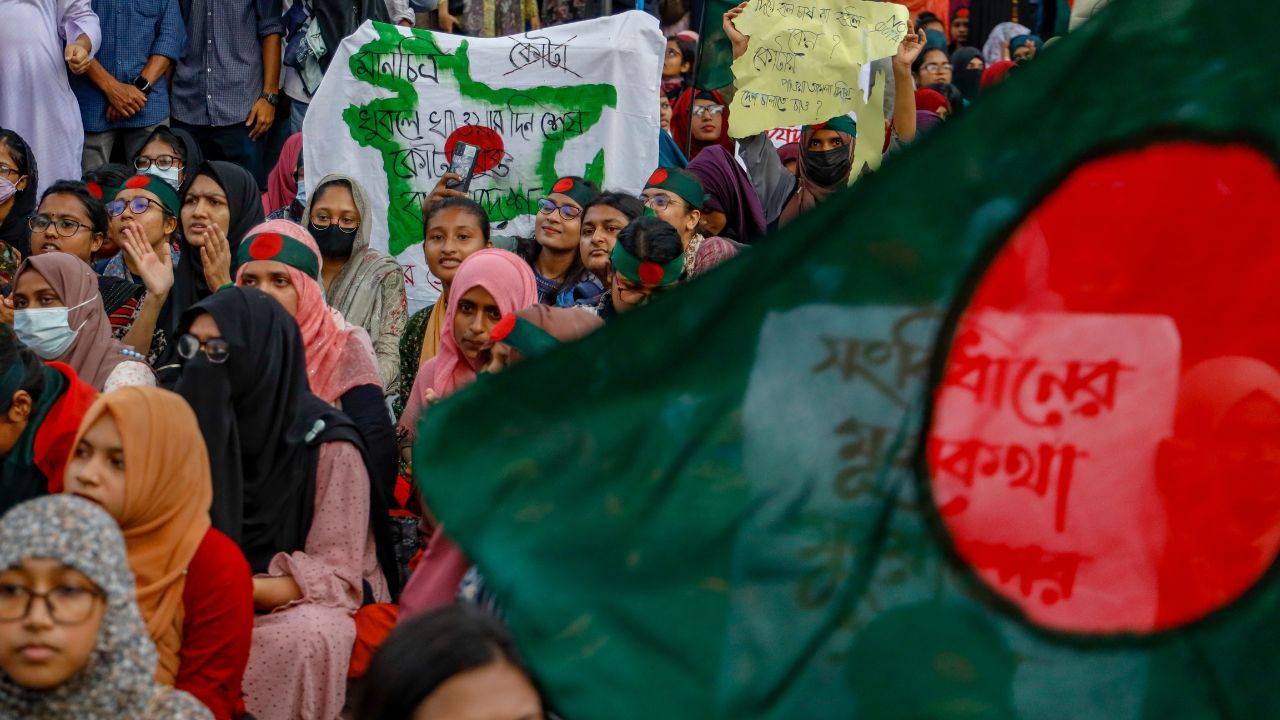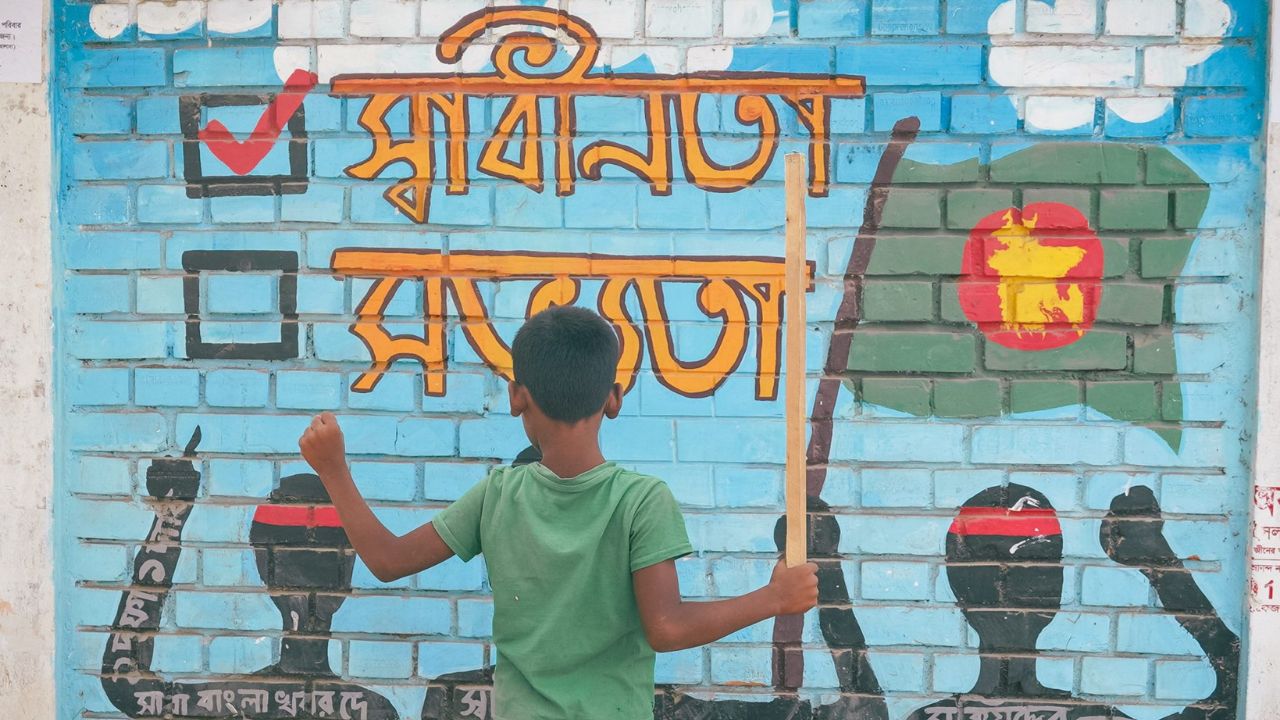

Two years after the July mass uprising, political tagging continues to disrupt some of the country’s leading universities, driving students from classrooms, silencing academics and exposing female activists to organised abuse.
The labels have changed, but the practice remains familiar. Students and teachers are branded “fascist”, “pro-Awami League”, “anti-July” or politically suspect—often without formal investigation, evidence or due process.
For many, such labels mean exclusion from campus, threats of violence, blocked examinations, professional isolation and online harassment.
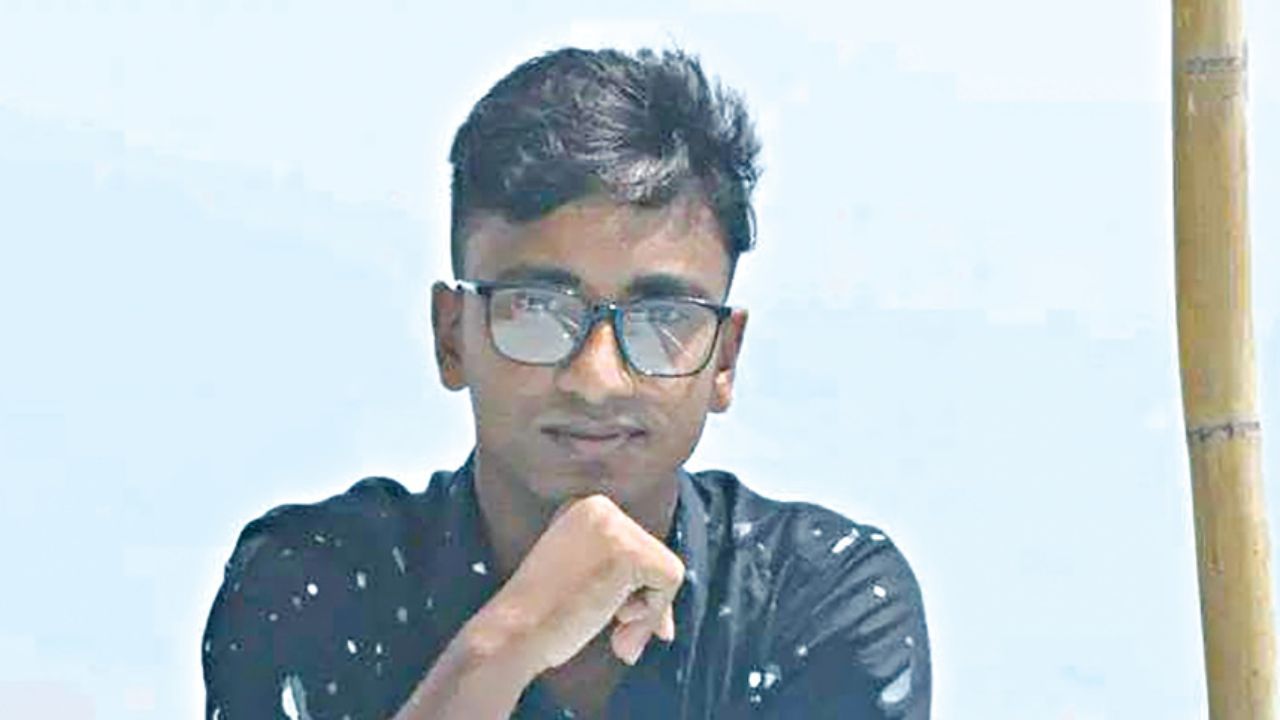
Ehsan Ahmed Akash ranked fifth in the admission test for Rajshahi University’s Faculty of Fine Arts, but he cannot set foot on campus.
After being politically tagged during the uprising, online death threats forced him into exile.
“If there are allegations of wrongdoing, investigate them under the law,” he told TIMES of Bangladesh. “Instead, our academic lives are being destroyed before a single claim is proven.”
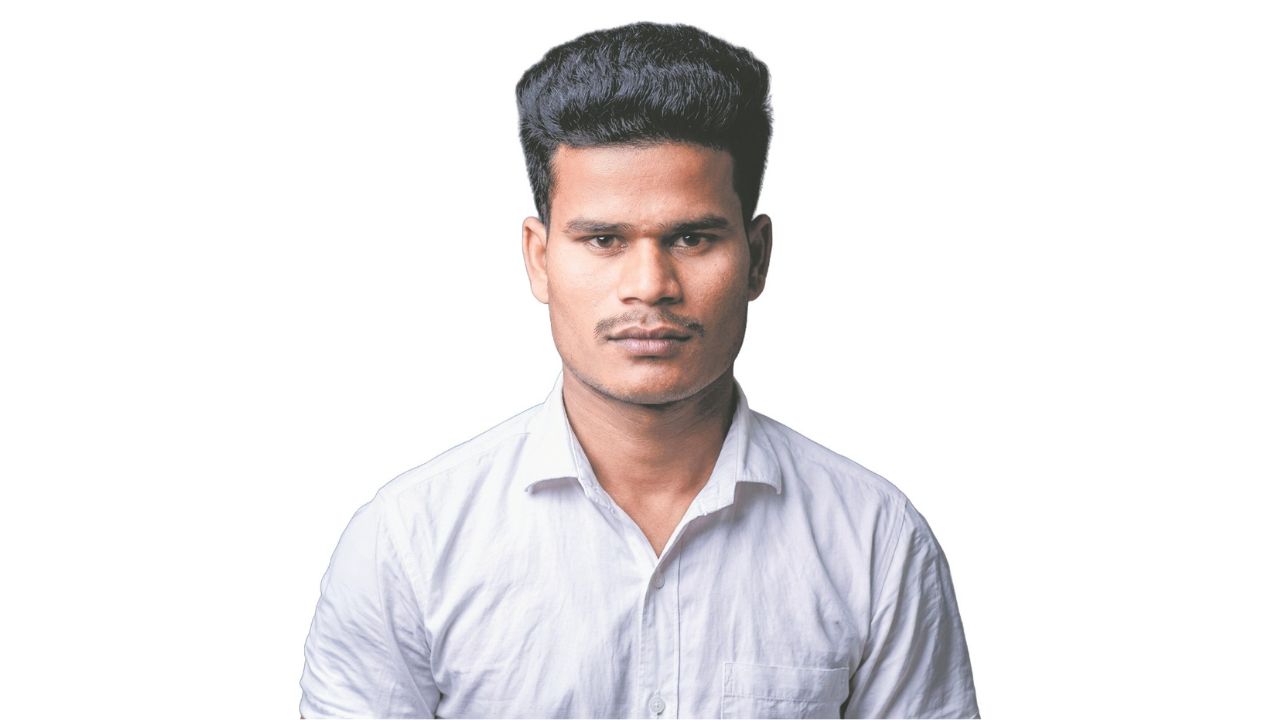
Arnab Bairagi, a Bengali student at Chittagong University, faces a similar ordeal. Although active in pro-government student politics before 5 August, he insists he was never involved in violence.
His photograph was circulated in campus social media groups with the label “fit to be killed”.
“Do I no longer have the right to study?” he asked.
The danger is not confined to online spaces.
On Monday, three Rajshahi University students were attacked by a group led by Rucsu General Secretary Salahuddin Ammar, who was photographed chasing a student with a shovel.

Former University Grants Commission chairman SMA Faiz described the unrest as part of the adjustment to a new political order.
“Teething troubles are to be expected in a new political landscape,” he said.
National Citizen Party Convener Nahid Islam, however, called for an immediate end to the practice.
“We want campuses entirely free from political labelling and harassment,” he said.
Former movement coordinator Abdul Kader argued that many ousted students stayed away because of fear over their previous activities and rejection by peers. He also noted that Chhatra League – banned during the previous interim government – had previously used similar tactics to exclude political opponents from academic life.
The comparison has intensified concerns that tagging is becoming a recurring tool of campus control, wielded by whichever group holds influence.
Tags replace due process
Academics warn that political labels are increasingly replacing formal investigation.
Saiful Alam Chowdhury, an associate professor of mass communication at the University of Dhaka, said university regulations protect a student’s right to sit examinations even when the student faces criminal charges.

He warned that exclusion without due process could create a generation of frustrated and alienated young people, with serious consequences for campus security and society.
University of Dhaka physics professor Kamrul Hasan Mamun, a prominent figure in the July uprising, said political affiliation alone should not strip students of their rights.
“Without concrete evidence, no student should be banned from campus, barred from examinations or stripped of enrolment,” he said.
Journalist Masud Kamal questioned whether current movement leaders would survive the standards now imposed on others.
“Should coordinator Sarjis Alam also be branded an accomplice of fascism simply because he once posted a video praising Bangabandhu?” he asked.
He warned that unchecked tagging and political witch-hunts offered a grim signal for Bangladesh’s democratic future.
Teachers targeted
Teachers have also become targets of political tagging, facing harassment, campus bans and exclusion from teaching and administrative duties.
Following protests over the fatal shooting of Inqilab Moncho Convener Sharif Osman Hadi on 19 December, Rucsu General Secretary Salahuddin Ammar warned that staff branded “pro-Awami League” would be tied up outside the administrative building.
Around 80 teachers at the University of Dhaka, 20 at Rajshahi University and 14 at Jahangirnagar University are currently unable to teach. Dozens more at Jagannath and Chittagong universities have been declared persona non grata.
On 16 July, a group calling itself “July Warriors” forcibly removed Economics Professor Ainul Islam from Jagannath University.
Ferdous Sheikh, chief organiser of the university unit of Jatiya Chhatra Shakti, defended the action.
“We will not allow anti-July teachers on campus,” he said.
Former Anti-Discrimination Student Movement coordinator and Noakhali-6 MP Abdul Hannan Masud took a similar position.
“Fascists will have no place here,” he said.
Critics say labels such as “anti-July” and “fascist” are being used to justify punishment without institutional inquiry.
Professor Mamun criticised students for taking disciplinary action into their own hands.
“Chasing, humiliating or forcibly removing teachers destroys the normal academic environment and guts the dignity of the profession,” he said.
Masud Kamal also condemned the use of political labels as weapons.
“Endlessly branding people accomplices of fascism to justify these actions is not democracy,” he said.
Female activists face gendered tagging
Female protesters who played visible roles in the July uprising are facing a distinct form of political tagging through character assassination, cyberbullying and offline abuse.
During university union elections, female candidates faced online campaigns aimed at discrediting them and weakening their candidacies.
Umama Fatema, former spokesperson for the Anti-Discrimination Student Movement, said organised women’s participation was marginalised once political power became central.
“The moment empowerment was on the table, organised women’s participation was deliberately pushed to the margins,” she said.
Another protester, speaking anonymously, said female activists were politically labelled in ways closely tied to their gender.
“We were politically tagged simply for being women. That completely betrays the spirit of the movement,” she said.
The attacks show how tagging has expanded beyond formal political affiliation, with labels now used to question women’s morality, loyalty and legitimacy in public life.
A culture hard to break
Politicians, academics and activists are increasingly calling for an end to political tagging.
NCP Joint Chief Organiser and MP Mahmuda Mitu described breaking free from the “filthy culture of tagging” as one of the country’s most important post-uprising responsibilities.
Professor Mamun warned that retaliatory tagging would preserve the same cycle under different political actors.
“If this culture of tagging and vengeance continues, discrimination will simply re-emerge every time power changes hands,” he said.
Two years after the uprising, Bangladesh’s universities face a central question: whether political labels will continue to determine who may study, teach, speak and participate in campus life.
Without transparent investigations, institutional accountability and protection of academic rights, political tagging risks becoming a permanent method of exclusion—replacing one form of campus control with another.