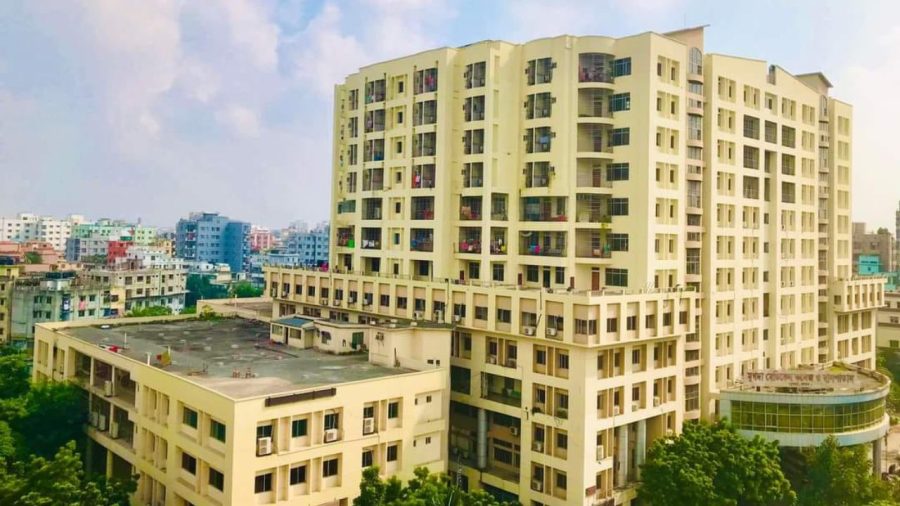

Before and after the health minister’s visit, the contrast at Dhaka’s 500-bed Mugda Medical College Hospital could hardly have been starker.
A state hospital once swarming with touts from private diagnostic centres, where patients were routinely pushed to take tests externally despite facilities being available on-site, appeared transformed within a single day.
By Saturday, pathology tests were being conducted in-house, outsiders were no longer openly collecting blood samples in the wards, patients were no longer extorted for wheelchair use, and every lift was fully operational.
For patients, the sudden turnaround raised an obvious question: if these services could be restored overnight, why had they been disrupted or denied for so long? Some attributed the situation to institutional negligence, while others suspected corrupt links between hospital staff and private clinics.
The swift changes followed a visit on Friday by Health Minister Sardar Md Sakhawat Hossain, who caught workers from private diagnostic centres collecting blood samples from patients in the wards “like hawkers”.

Using the word “hawker” himself, the minister issued a stern ultimatum: either he would remain in office, or the rampant corruption and irregularities at the hospital would end.
By the following day, the wards he had inspected were calm and orderly.
Saleha Begum, 43, admitted her husband on Saturday without having to deal with a tout or take him elsewhere for pathology tests. “This hospital is much cleaner than Dhaka Medical. The only issue is that getting tests done takes two hours of battling through crowds just to pay the fee and submit the sample,” Saleha, from Jatrabari, told TIMES of Bangladesh.



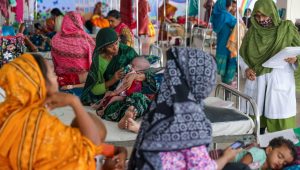
Indeed, the overnight changes have not completely relieved patients’ suffering. Prolonged waits for state-run tests, severe overcrowding at pathology counters, and staffing shortages remain major hurdles.
In the pathology department, two employees struggled to issue tickets to over 100 patients. Although there were only two counters, four chaotic queues had formed in front of them, with no Ansar security personnel present to maintain order.
The strain was evident in the experience of Rahmatullah, a shopkeeper from South Mugda. Admitted three days earlier after losing consciousness, he was advised to undergo a CT scan. However, after waiting in line in vain, he gave up.
“Since I had recovered somewhat, I came alone, but standing in this crowd has made me feel unwell again. I am heading home and will try again tomorrow,” he said.
Meanwhile, the tout network appears to have been pushed back rather than eradicated.
As Rahmatullah left the hospital, a man approached him, asked to see his medical papers, and offered a discounted test at a nearby private clinic.
As Times reporter confronted the man, asking, “This test is available inside the hospital. What are you doing here, and who are you with?” he was caught off guard and quickly slipped away into the crowd.
A doctor, speaking on condition of anonymity, acknowledged that touts are difficult to spot. “They act just like patients’ relatives and primarily target people coming from outside Dhaka,” he explained, adding that staff cannot physically prevent patients from opting for private facilities due to overcrowding or urgent needs.
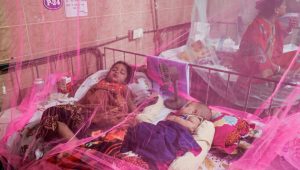
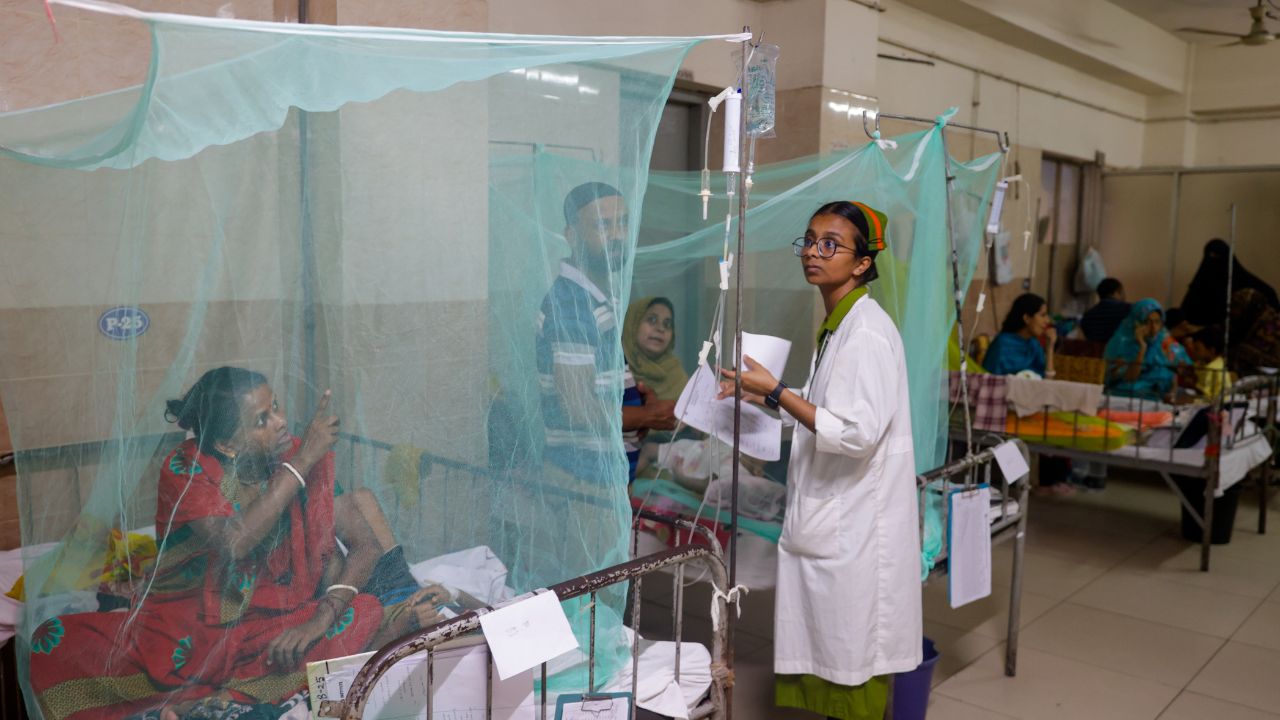
The minister’s intervention was equally visible in the dengue ward, where he had been angered to find patients sleeping without mosquito nets. Following his direct order, nets are now mandatory. However, patients now face another issue: oppressive heat.
“The air from the ceiling fans doesn’t reach under the net. My son becomes extremely restless from the heat, but if we don’t keep it up, the nurses scold us,” said Mukta Begum, fanning her 16-year-old son by hand.
Hospital authorities offered no explanation as to how the long-malfunctioning lifts also became fully operational overnight following the minister’s rebuke.