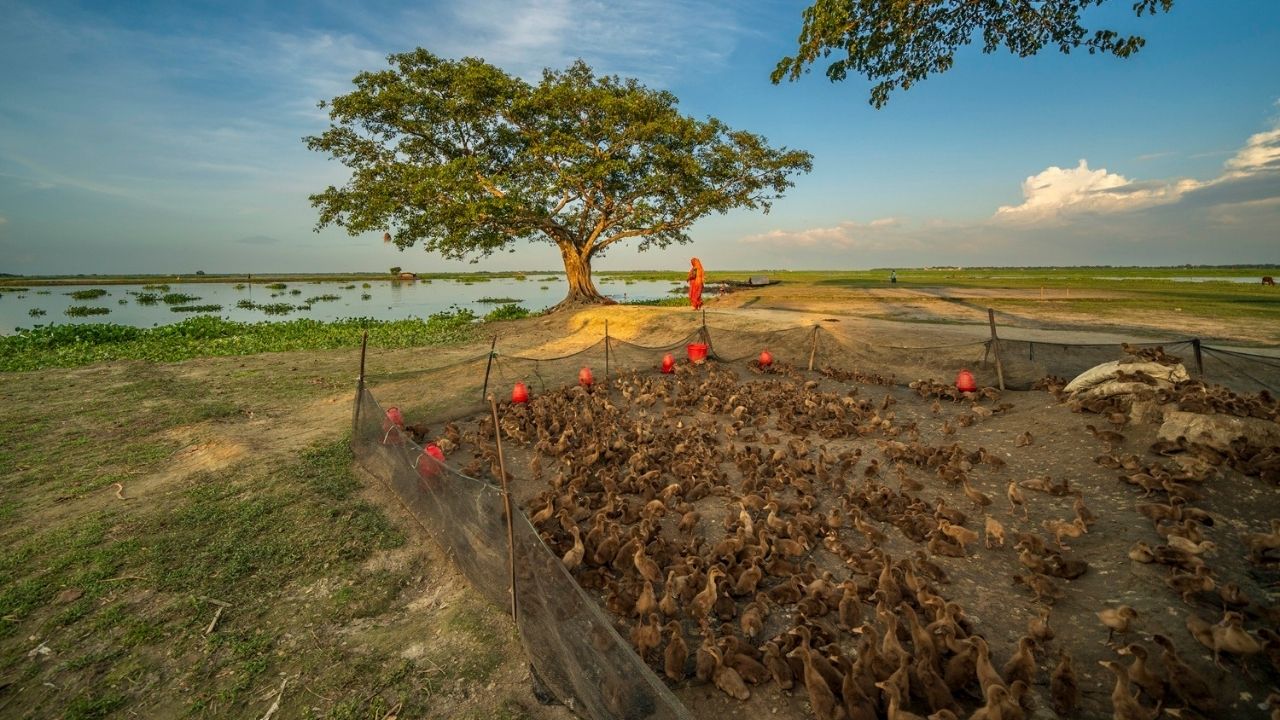


Once upon a time, crossing Satkania along the Chattogram-Cox’s Bazar highway, one would see vast agricultural fields – rice here, chilli there, potatoes somewhere else – all framed by green hills in the distance. That familiar scene has now changed beyond recognition.
On both sides of the highway, brick kilns litter the landscape. In some places, chimneys rise from what was once farmland; elsewhere, deep pits scar the earth where soil has been stripped away.
Removing the fertile topsoil from agricultural land is the first step in the operation of many brick kilns, with the extracted soil then transported to the kilns. After several rounds of soil removal, much of the land becomes low-lying, leaving deep depressions that make cultivation increasingly difficult, if not impossible.

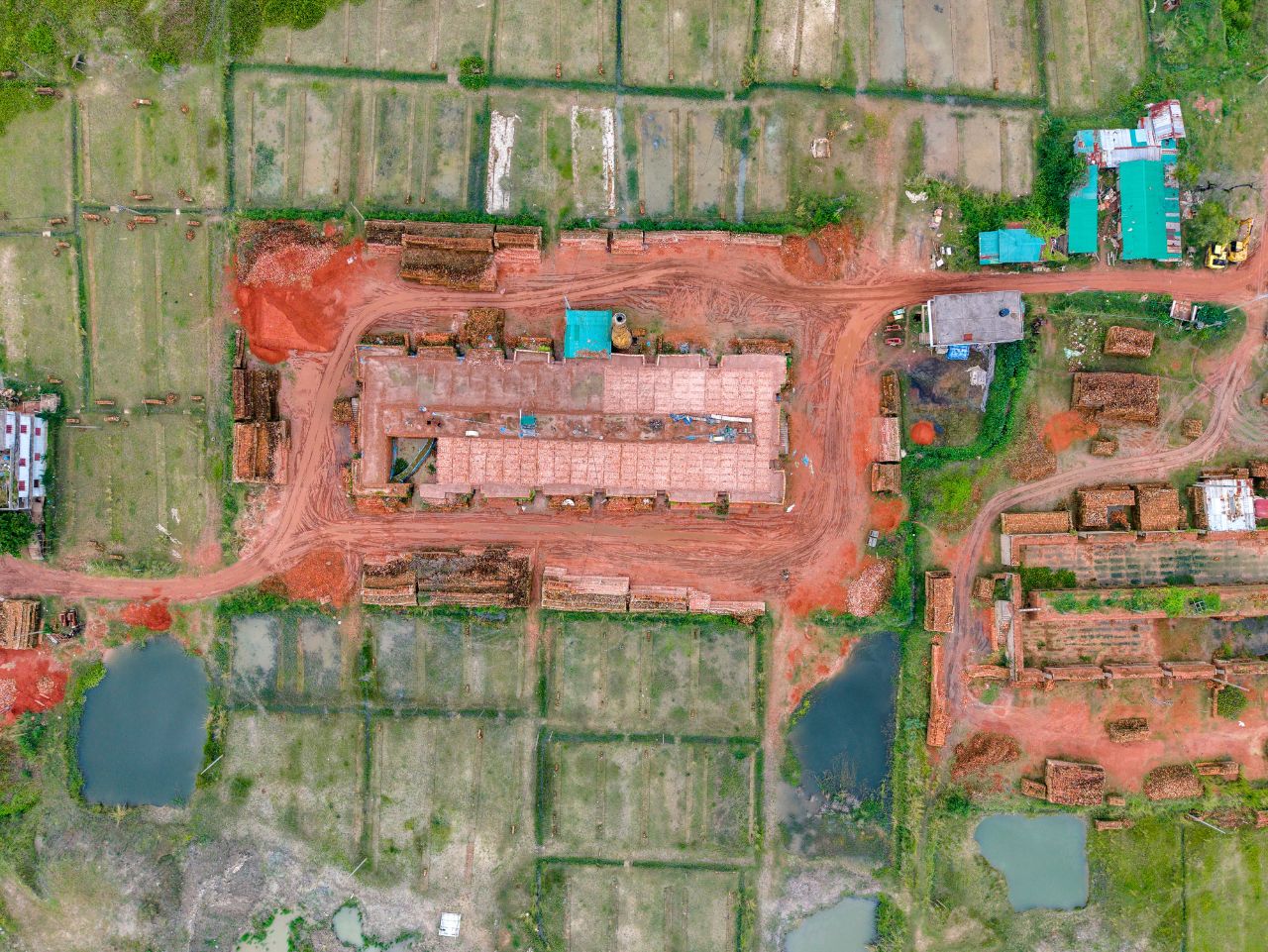
According to government records, there are 74 brick kilns in Satkania upazila, both legal and illegal. Local residents say that, alongside the kilns, soil traders are also extracting soil from agricultural land. Farmers are often reluctant to protest, fearing that these activities are being carried out in the name of influential people.
Abdul Kader, a farmer from Ward No 9 of Kaliaish Union, said he used to cultivate chilli and potatoes on about 100 decimals of land. Now, he grows mustard and local varieties of beans there. “The smoke from the brick kilns is ruining our crops. The leaves of chilli plants fall off, and potatoes do not grow properly either. It is becoming increasingly difficult to run the household relying only on agriculture,” he said.



According to the Satkania Upazila Agriculture Office, approximately 35 to 40 hectares of cultivable land in the upazila have been damaged over the past 10 to 15 years. Upazila Agriculture Officer Md Moniruzzaman said, “Both the smoke from brick kilns and the removal of fertile topsoil from agricultural land are harming agriculture. This is reducing crop production.”
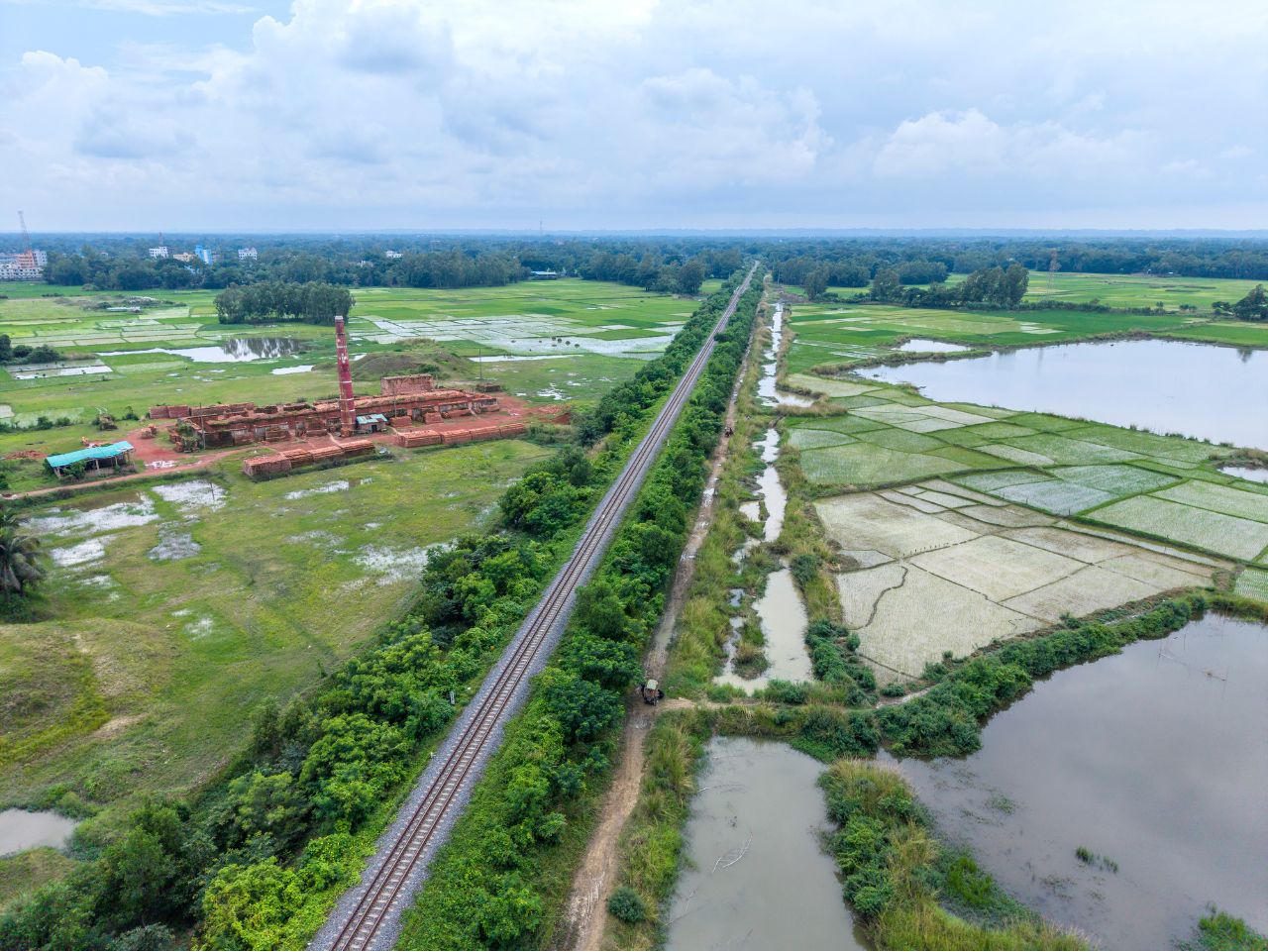
The problem is not limited to Satkania. Brick kilns are also spreading across Patiya, Chandanaish and Lohagara along the Chattogram-Cox’s Bazar highway. Local residents fear that if the trend continues, the steady loss of agricultural land will place long-term pressure on the environment.
According to Assistant Conservator of Forests at the Chattogram South Forest Division Delwar Hossain, “Surveillance is ongoing to stop the transport and burning of wood in brick kilns. Although hill cutting has been halted for now, it tends to increase during winter.” On land where crops once flourished, bricks are now being produced. The soil that farmers once depended on for their livelihoods has become the main raw material for brick kilns.
The transformation along the highway in Satkania is therefore more than a change in the landscape. It is also a story of agricultural land being steadily lost – one brick at a time.