


For years, Nvidia was known primarily for powering video games and cutting-edge graphics. Today, the company is quietly reshaping something far more profound: The future of human health.
One of the world’s most powerful AI companies is diving into the decoding of human biology. This is not simply a diversifying opportunity for the company. It signifies the integration of rapid computation, machine learning, and life sciences on an entirely new level: One that could change how doctors diagnose diseases, researchers develop new drugs, and patients receive personalised treatments.
Biology has become a rich discipline in data-oriented areas, from the sequencing of genes to the analysis of molecules and medical images. Neuroscientists are using computational models in fields where conventional computation is insufficient.
Using Nvidia’s BioNeMo – a specialised technology platform – researchers, clinicians, and biotech companies can now access tools specifically designed for scientific innovation. Today, the stakes extend beyond business market value; they encompass our health and lives.

Here’s the claim: Artificial Intelligence has capabilities far beyond traditional software for specific tasks. AI agents help researchers analyse scientific literature, experiment results and create hypotheses, making research processes significantly easier.
The volume of publications and experimental data generated every year is so immense that no single researcher can read or analyse it all. Intelligent AI systems can become indispensable scientific colleagues, identifying patterns and connections in data that might otherwise remain hidden.
This field relies on collaborations across multiple domains, including chemistry, computational biology, physics, clinical medicine, and genetics. AI systems capable of integrating all these factors could dramatically speed up science, reducing the time required to develop research hypotheses and analyse results – giving scientists more time to focus on validating theories.




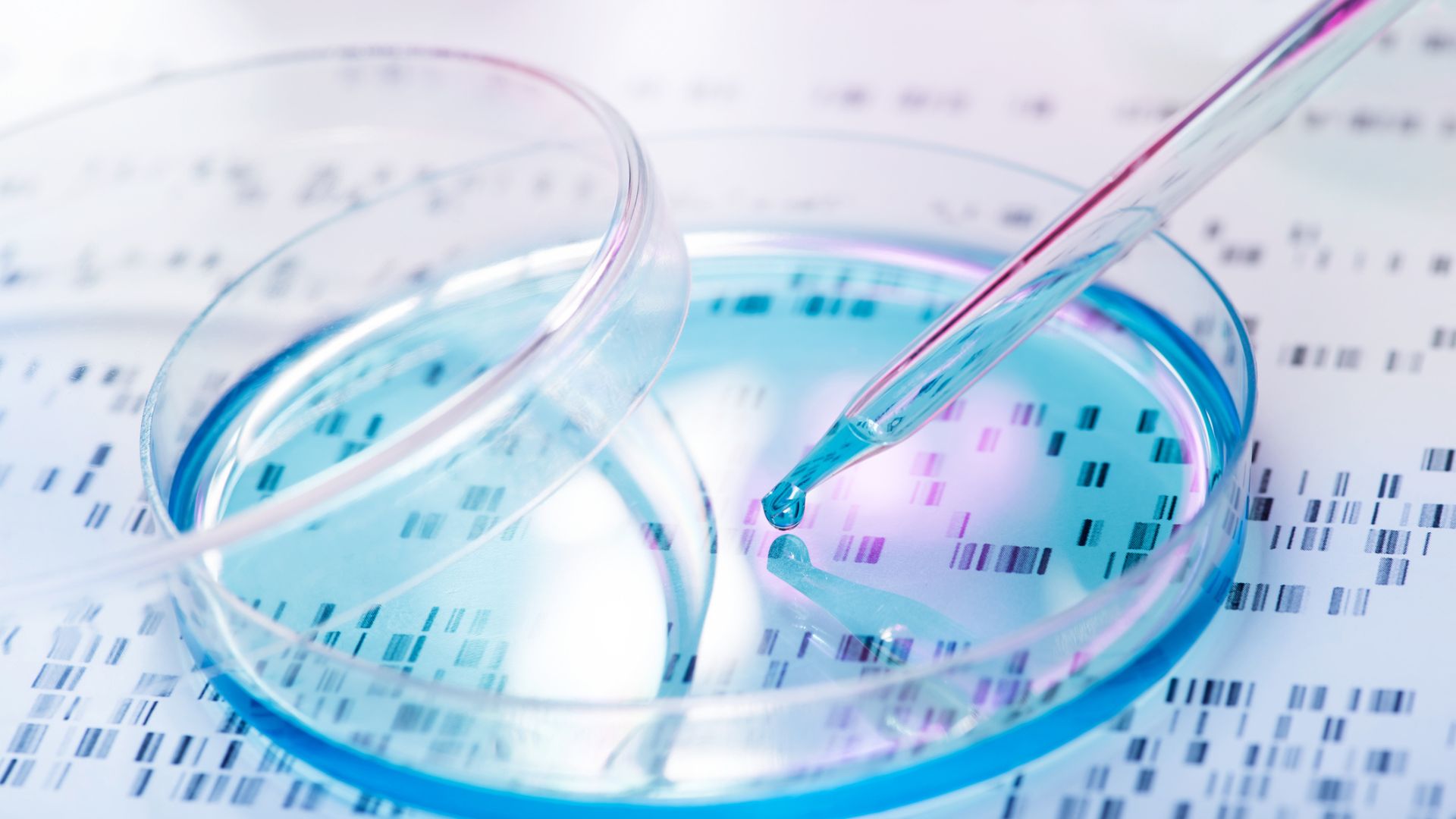
Nvidia has developed specialised software systems designed for biological and molecular science as researchers increasingly require collaboration across many fields. These tools help scientists build AI models capable of recognising RNA and DNA structures, while more advanced models can identify connections between various molecules.
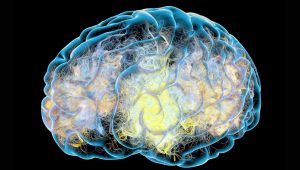
Industry and academia are accelerating research with Nvidia’s support, or so many claim. The company is providing access to high-end computational platforms and AI resources to researchers who could not afford them before. This approach is also encouraging the development of AI solutions that specifically assist neuroscientists in understanding brain functioning and neurological conditions.
AI is not merely another instrument of research, like a microscope. It is becoming a collaborating partner, seamlessly integrating imaging data, genomic sequences, patient symptoms, and scientific papers. However, it has limitations.
Biomedical research relies heavily on precision, consistency, and oversight by regulatory bodies. AI-generated discoveries will require strict verification before they can impact treatments and drug discovery processes. Human biology is far more complex than most industrial AI applications, and no model will be effective unless trained on proper data. Success demands cooperation from experts across disciplines.
Another critical consideration includes an honest acknowledgement of ethical issues. Health information is sensitive, so adequate protection of patient data must be maintained.
AI systems must be fair and impartial across a wide spectrum of people. While advancing AI applications in medicine, ensuring public acceptance will be equally vital to ensuring the performance of these systems.
Regardless of obstacles, Nvidia’s direction is clear. Following the transformations brought by artificial intelligence to digital fields, the company sees biology as a new frontier to be conquered. Nvidia is leveraging the same advanced computing technologies it uses to enable cutting-edge language models and generative AI applications – now applied to solve complex challenges in molecular biology, neuroscience, and biomedical research on a massive scale.
This movement reflects a deeper realisation: Many of society’s biggest scientific problems are inherently computational.