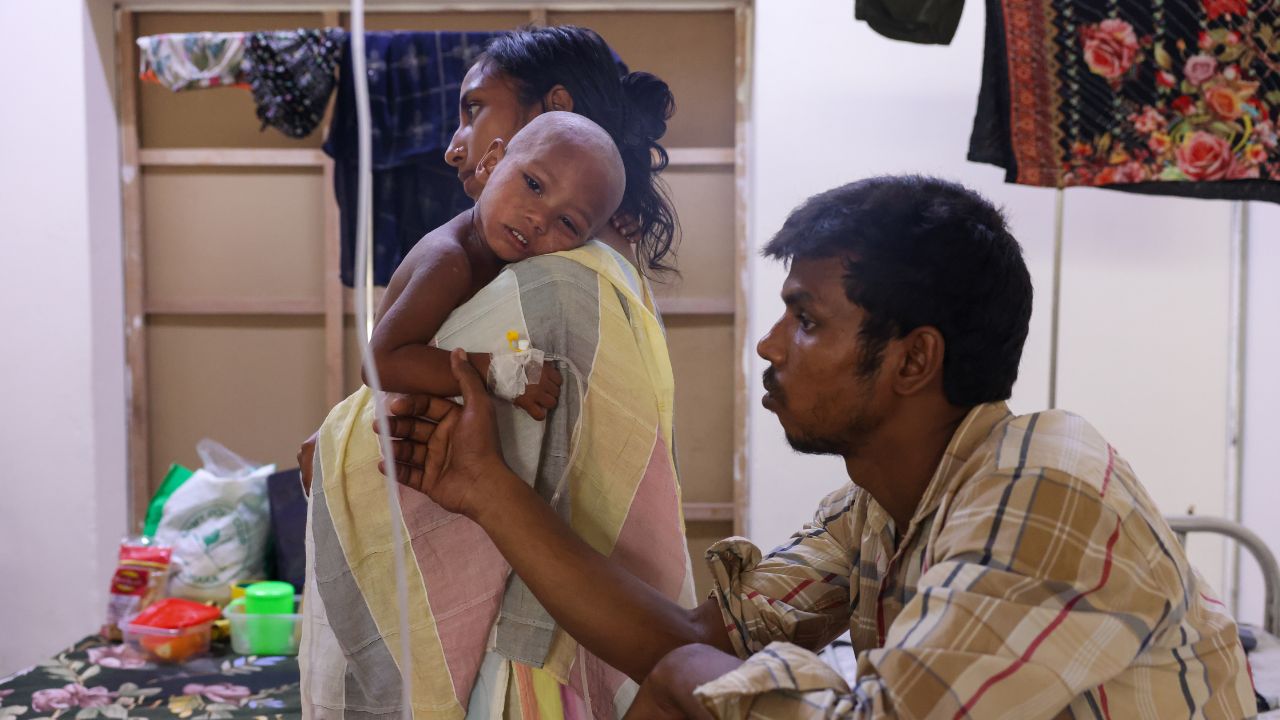


Dengue and chikungunya cases in Chattogram continue to rise sharply, pushing the city into a full-scale public health crisis.
Residents said mosquito-control efforts by the city authorities remain fragmented, insufficient and largely ineffective, despite repeated warnings from health officials.
The Civil Surgeon’s Office has identified 25 high-risk hotspots, including five categorised as extremely vulnerable, underscoring what experts describe as a clear failure of urban management.
Health officials warned that the twin outbreaks have placed unprecedented pressure on hospitals and communities, with ordinary citizens paying the price for long-standing gaps in prevention.
Dr ASM Lutful Kabir Shimul, senior medicine specialist at Chattogram General Hospital, said dengue cases and fatalities have been climbing for months. “There is no alternative to aggressive mosquito control,” he said.
“Children and the elderly are particularly vulnerable. A child’s condition can deteriorate very quickly” he added.

As of 24 November, Chattogram has recorded 4,360 dengue cases and 3,680 chikungunya infections this year.
Chikungunya has caused no deaths, but 25 people have died from dengue, including four children.
About 60% of patients come from the 25 flagged neighbourhoods, several of which are densely populated residential zones.
The Civil Surgeon’s Office has formally asked the Chattogram City Corporation (CCC) to take urgent action. The city corporation, however, has been accused of carrying out only superficial anti-mosquito drives.
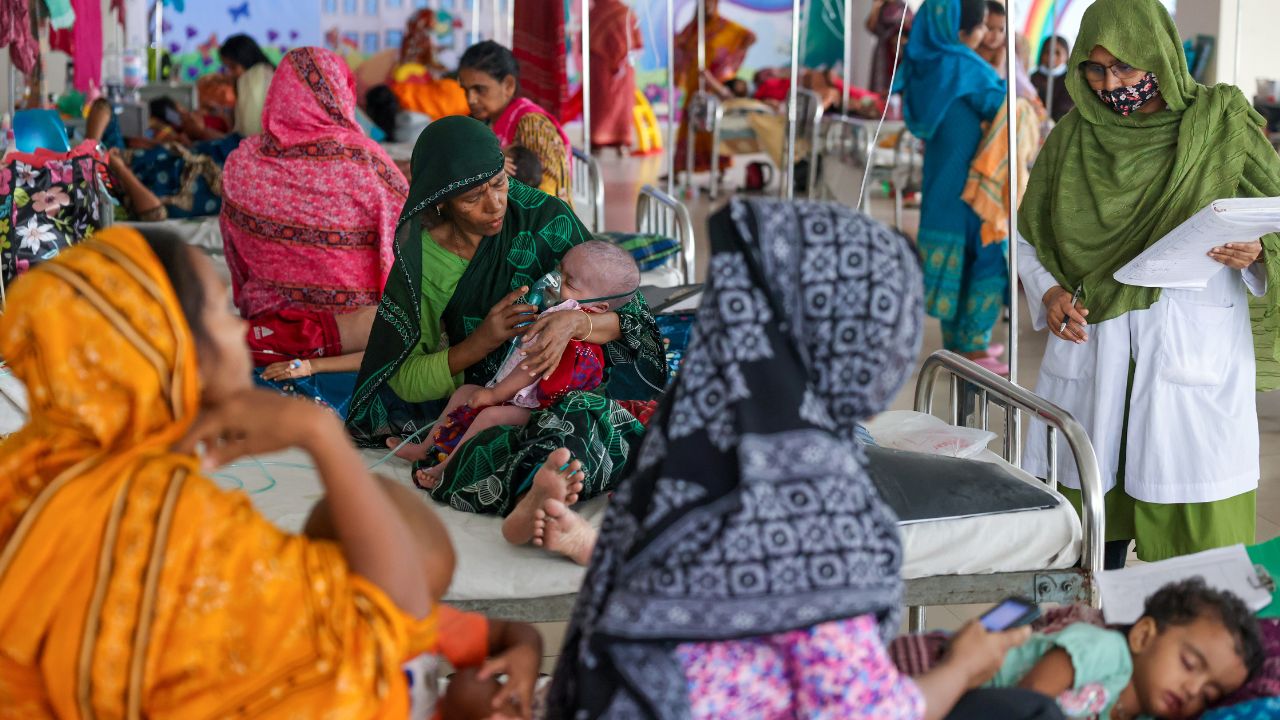


Health authorities warn that without decisive intervention, both infections and deaths are likely to rise.
The 25 risk areas include: Bandar, Kotwali, KEPZ/EPZ, Halishahar, Sadarghat, Bakalia, Bayezid Bostami, Pahartali, Double Mooring, Khulshi, Panchlaish, Akbarshah, Chawkbazar, Chandgaon, Patenga, Agrabad, Patharghata, Lalkhan Bazar, Anderkilla, Kattali, Dewanhat, Muradpur, Chandanpura, Mohammadpur.
The extreme-risk zones are Bandar, Kotwali, KEPZ, Halishahar and Sadarghat.
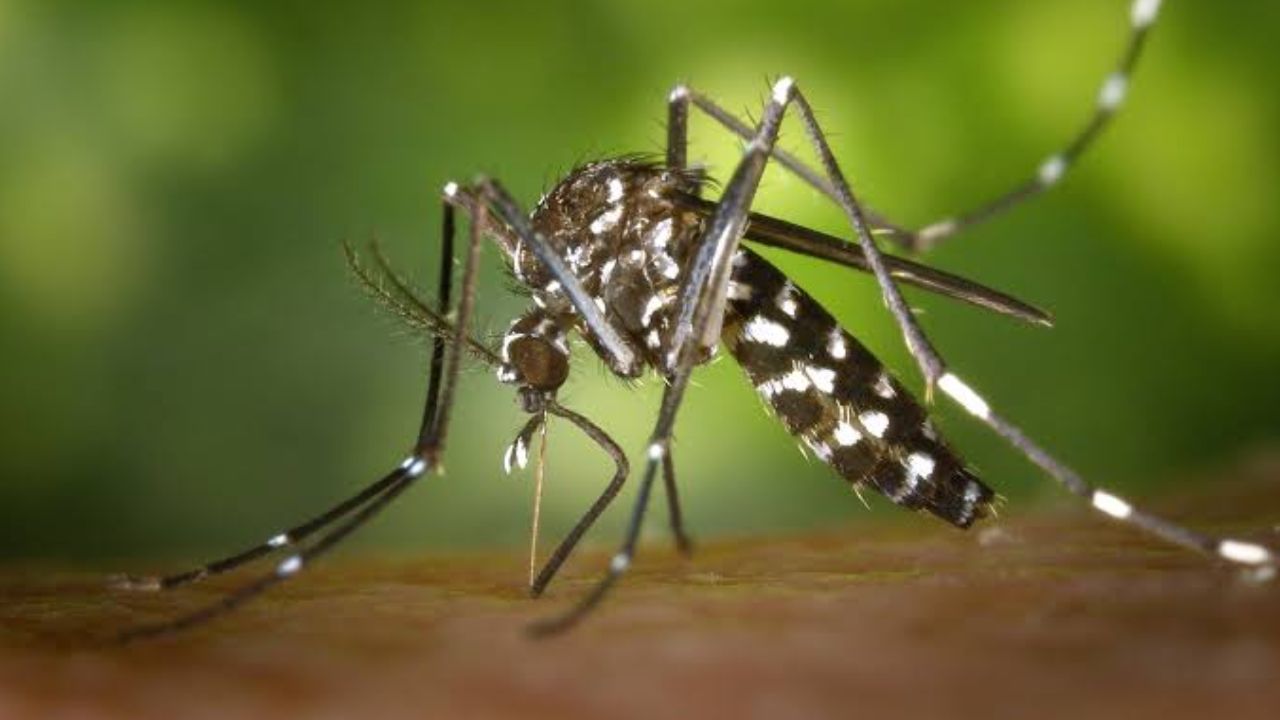
Entomologist Md Moin Uddin said many hotspot areas show evidence of long-standing stagnant water—ideal breeding grounds for Aedes mosquitoes. “We have repeatedly informed the city corporation which insecticides work and where to apply them. But effective action has not followed,” he said.
Residents express frustration on this situation.
Homemaker Farzana Moni, from Saltgola, said, “Many people in our area have dengue. Yet we haven’t seen a single round of spraying in four months.”
Resident Ahadul Haque of Mohammadpur Ismail Colony said the city’s residents are paying the price for the corporation’s negligence. “This is happening because there is no accountability,” he added.
Marjina Akter, a resident of Rahman Nagar Residential Area, said, “Mosquito infestation has increased here, but the city corporation is nowhere to be seen spraying insecticide. As soon as evening falls, the nuisance becomes far worse. Yet city corporation workers are still not spraying mosquito repellent in this area.”
A CCC cleanliness official, requesting anonymity, said the city needs at least 450 workers for adequate spraying across 41 wards. Only 210 are available, and 70 of them belong to special teams.
Budget constraints are also acute. Although Tk8-9 crore is allocated each year for mosquito control, the corporation receives only one-third of that amount in practice. As a result, procurement falls far short of requirements.
The official said the city needs 60,000–65,000 litres of adulticide annually but manages to buy only 25,000–30,000 litres—less than half.
Sharful Islam Mahi, CCC mosquito-control officer, said spraying and fogging take place year-round and that special teams have been deployed in high-infection areas. “We have 210 workers operating across 41 wards. Larger wards have seven workers; smaller ones have five. In addition, six special teams with 72 members conduct targeted spraying,” he said.
Chattogram Civil Surgeon Dr Jahangir Alam confirmed that dengue continues to spread even at this time of year. “Many people are being infected every day. Chikungunya cases have fallen slightly, but some neighbourhoods are still reporting high dengue numbers,” he said. “Unless mosquitoes are eliminated, infections will rise further.”
Prof Omar Faruk of Chittagong University, who served on a 2021 CCC research committee on mosquito control, said dengue and chikungunya have surged simultaneously this year. “We recommended public awareness campaigns and the use of modern technology. None of it was implemented,” he said.
“The mosquito-control strategy is unchanged, and so is the outcome.”