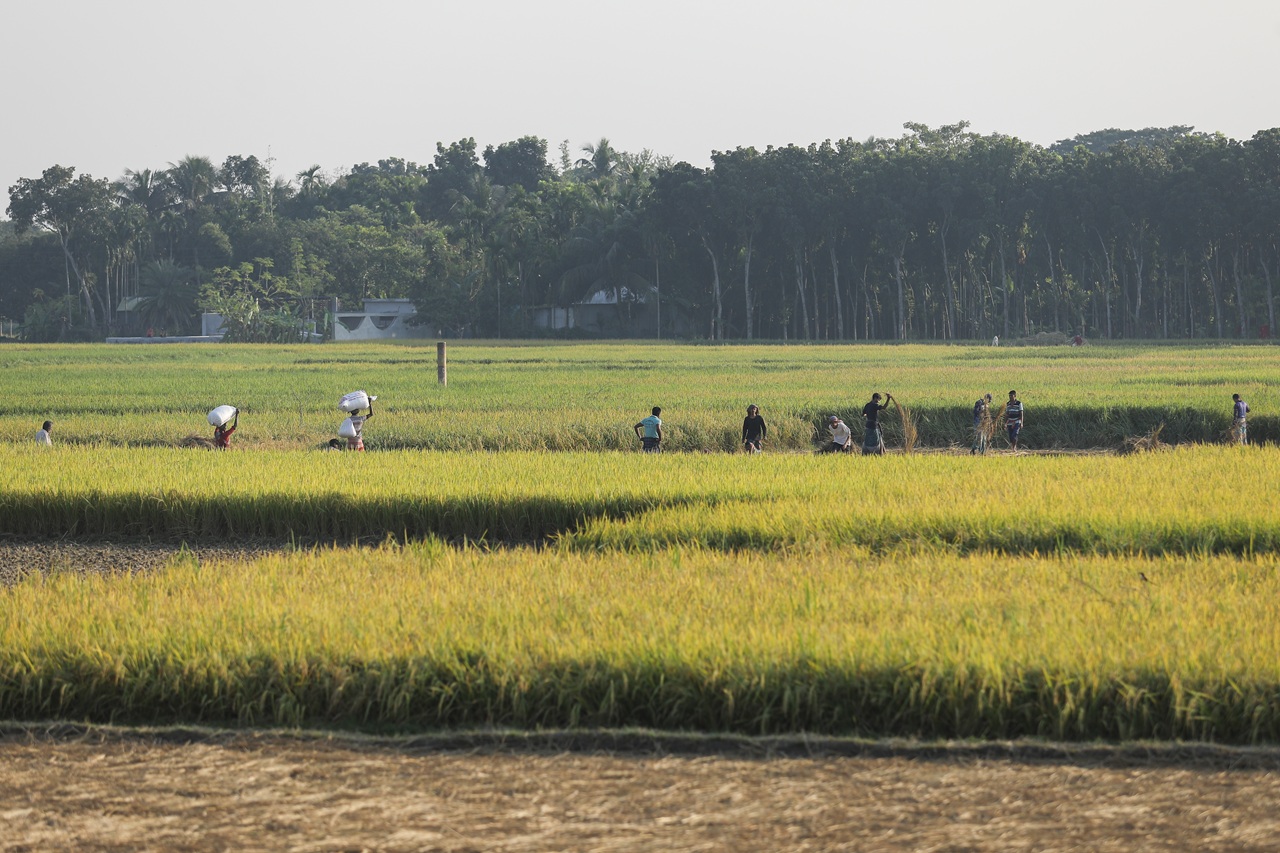
As late autumn settles over Bengal, communities across Bangladesh welcome Nobanno Utshob, the festival marking the arrival of newly harvested rice. Celebrated in the Bengali month of Agrahayon (November–December), the tradition is rooted in rural life and expresses gratitude for the year’s first yield.
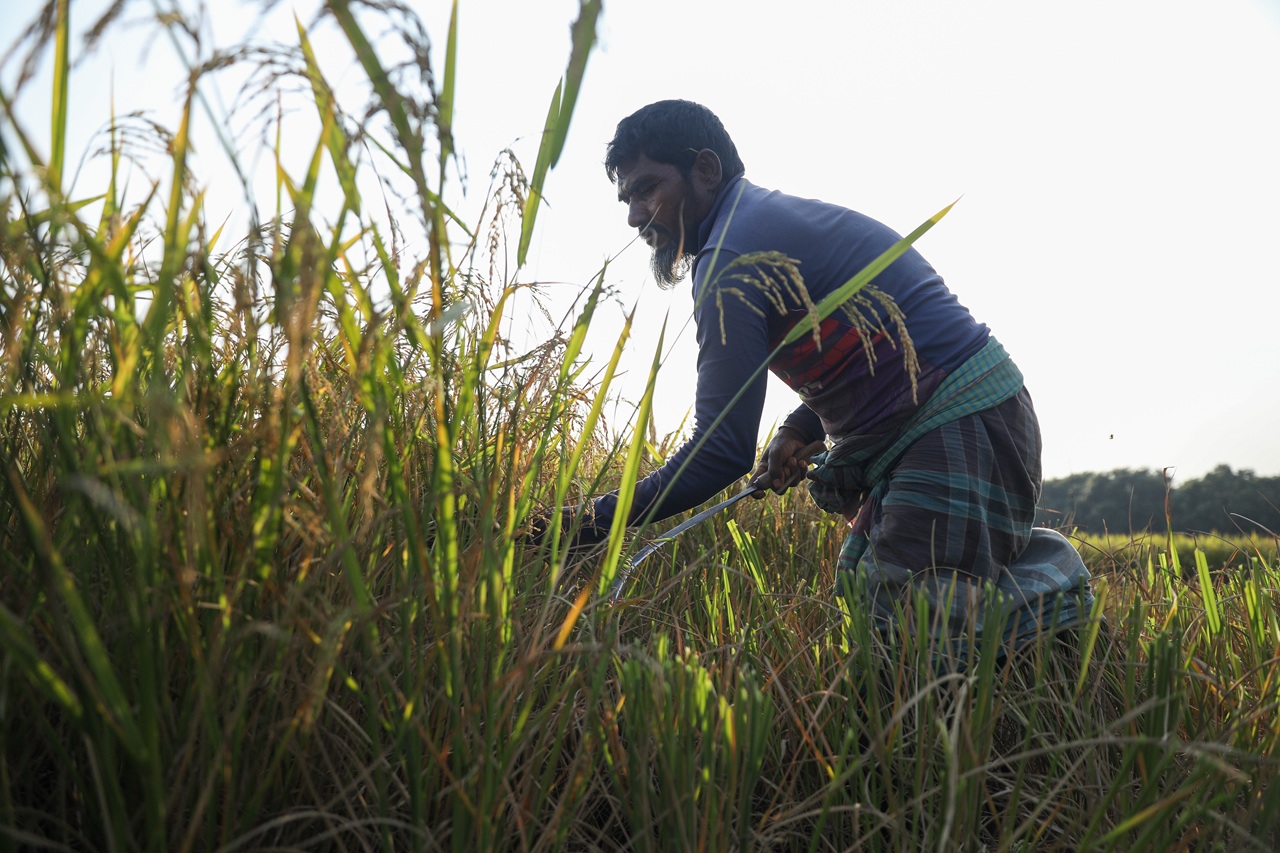
During Nobanno Utshob, farmers focus on gathering the Aman paddy harvest and celebrating the arrival of the season’s new rice. Once the fresh crop is brought home, the occasion turns festive, marked by preparing pitha, sharing meals with neighbours, and taking part in traditional cultural activities.
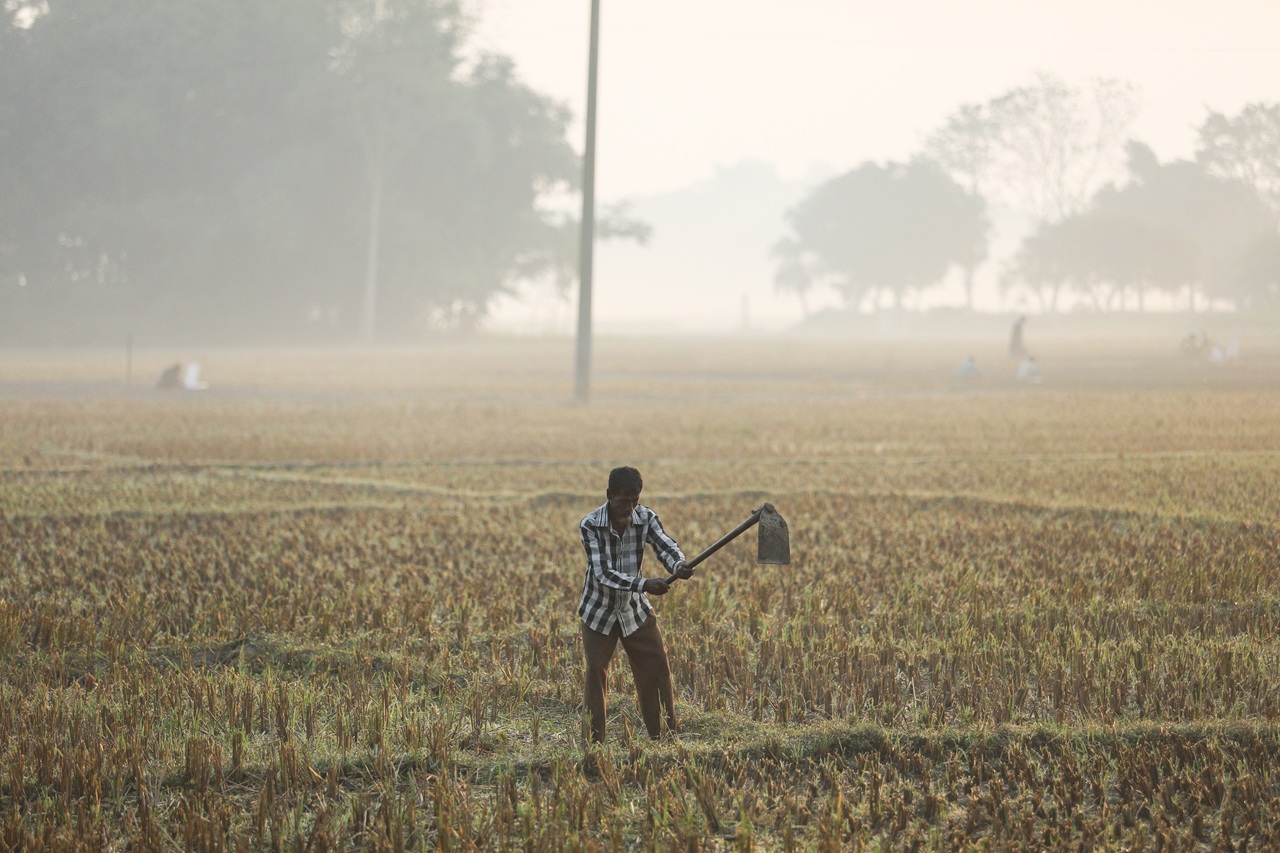
But in many rural areas of northern Bangladesh, rising pesticide and production costs have changed the rhythm of the season. Farmers are increasingly choosing to sell their paddy immediately—often at low prices—rather than bringing the grain home for traditional celebrations.
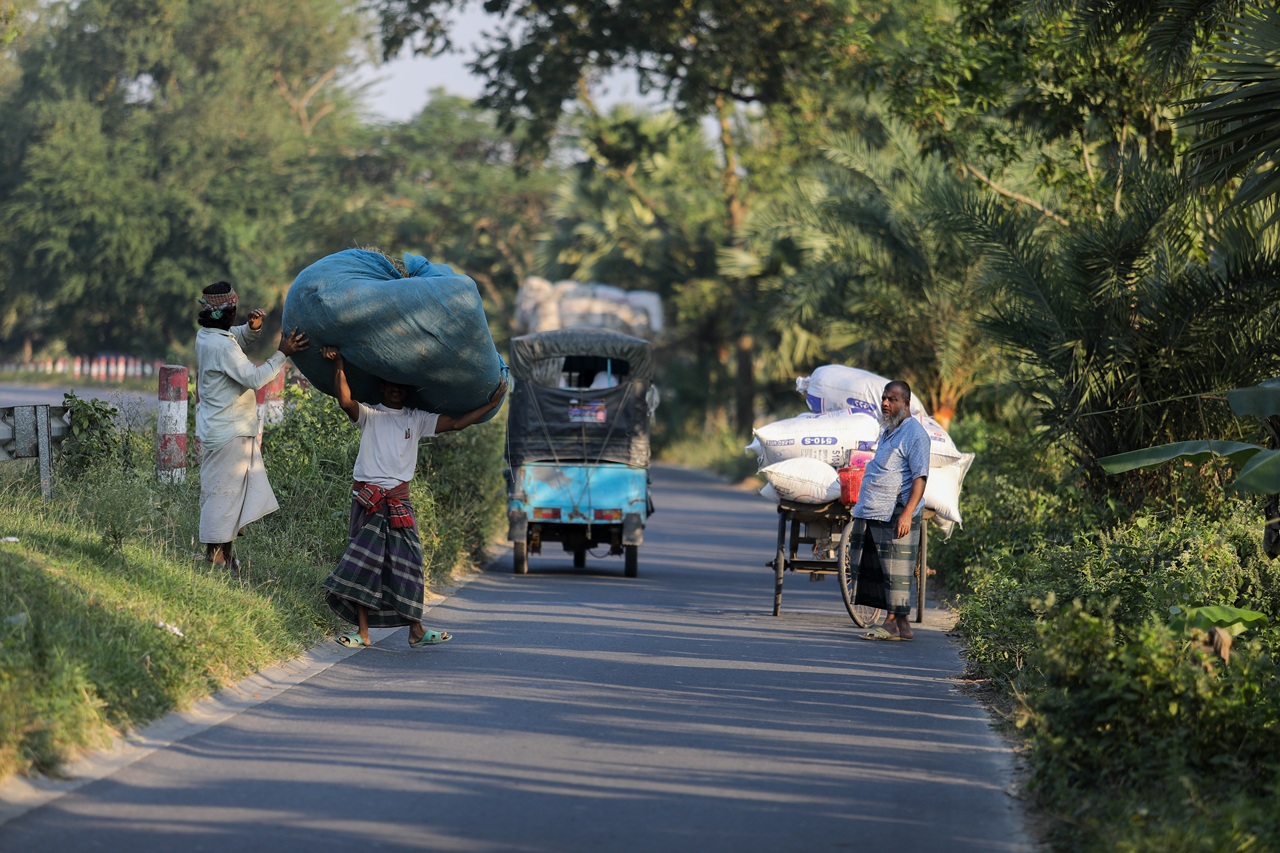
Amanat Ali of Naogaon told TIMES that the joy once tied to the harvest has faded. “With the little revenue we get now, the celebrations we knew as children are gone,” he said. “Our whole family used to carry the grain home with my father and grandfather. Today, it’s about survival, not celebration.”