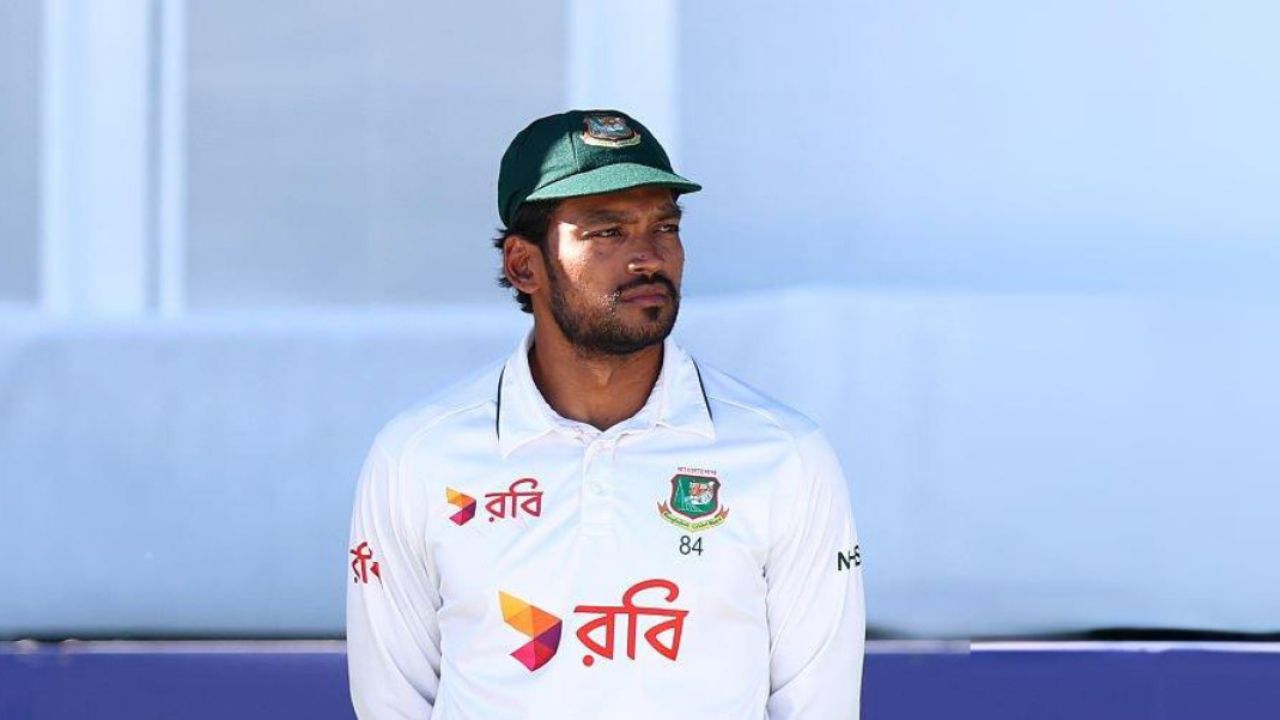



A historic defeat in Darwin has put Australia on the back foot against Bangladesh. Former Bangladesh pace ace Hasibul Hossain Shanto believes that if Bangladesh can maintain their current momentum, there is a strong chance they can clinch another victory in the second Test.
“I have the belief that if we could do it here (Darwin), there is no reason why we cannot do it there (Mackay). If we can maintain this level of performance and carry this momentum forward, it will be difficult for them to come back. We believe we can beat them. We have that confidence now,” Shanto told TIMES of Bangladesh.
Bangladesh defeated Australia on Australian soil for the very first time, securing a commanding nine-wicket win. While many have labeled the result as one of the biggest upsets in world cricket, Shanto views it differently.
“To be honest, I did not expect us to win,” he said. “I expected the team to play good cricket, but I don’t think anyone imagined that we would play this well and actually win. We beat Australia by playing good cricket, so no one can say that Australia played badly. We won because we played well.”

Bangladesh remained firmly in the driver’s seat throughout the match. The bowling attack took all 20 Australian wickets, while the batters stood tall to build a colossal 228-run first-innings lead. Najmul Hossain Shanto’s side simply outplayed the Aussies in their own backyard.
Hasibul Hossain Shanto, who now serves as a selector for the Women’s National Team, emphasized that a complete team effort was the key to conquering Australia.



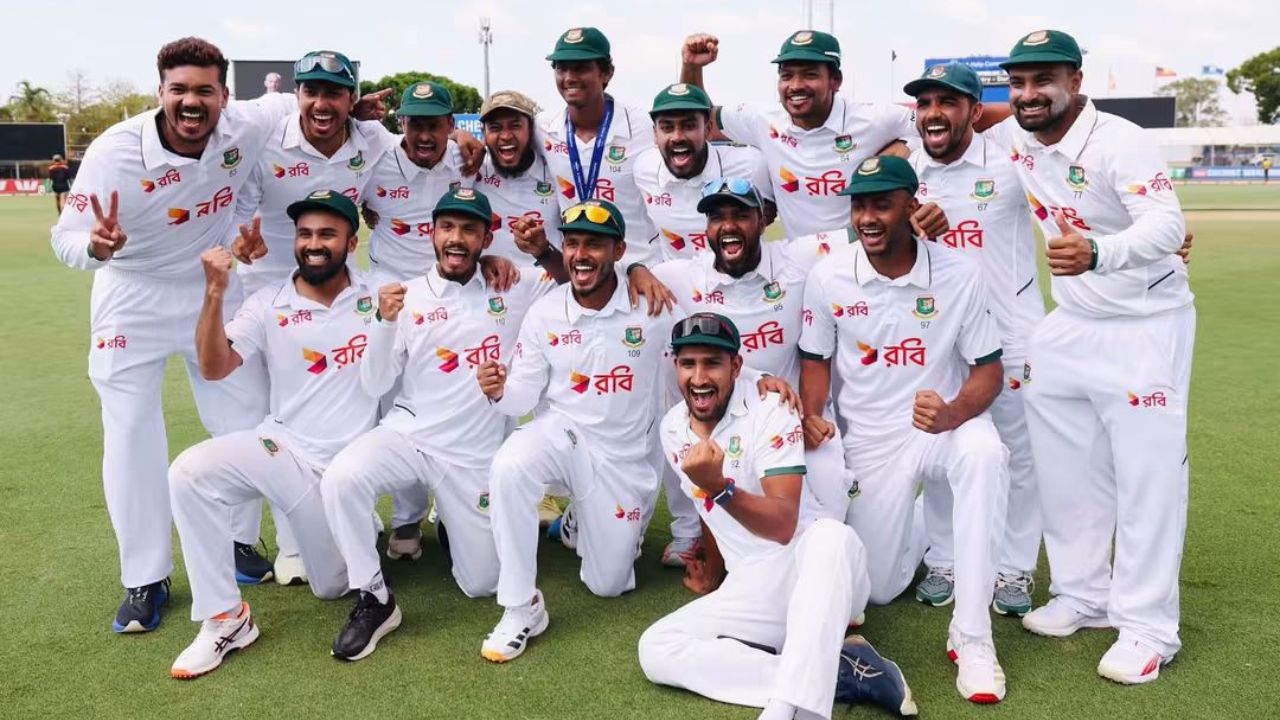
“The whole team contributed. Hasan Mahmud took six wickets, Tanzid scored a century, Mominul made 49, and Shanto scored 84. In between, Hasan Mahmud and Mehidy Hasan Miraz also contributed with the bat, with Miraz scoring 65. But the amount of time they spent at the crease was also a huge factor. By batting for long periods, they shifted the game further in our favor. So, to be honest, everyone made a contribution,” he added.
Addressing Bangladesh’s long-standing struggles with consistency, Shanto noted that recurring mistakes often break their rhythm.
“When one gets into form in one innings, instead of continuing that momentum, it often happens that after playing one good innings, he’d perform poorly in the next two,” Shanto explained.
He believes the solution lies in a busier Test schedule: “We will only break out of this pattern when our volume of matches increases. We play plenty of ODIs and T20s, but in Tests, we rarely get to play against top teams—we played in Australia after a gap of 23 years. If we could play more frequently—say, five or six Test matches a year—our cricket would likely improve even further.”
Shanto also offered high praise for Bangladesh skipper Najmul Hossain Shanto, backing him to excel across all formats.
“Shanto actually wasn’t getting runs for a period of time due to various reasons, but his basics and his overall game are solid. Players of his caliber might go through a bad patch occasionally, but it rarely lasts long. That is exactly what is happening now—he is scoring runs in most of the matches. I believe he is the kind of player who has the ability to play across all three formats, and I hope he will play T20s as well.”