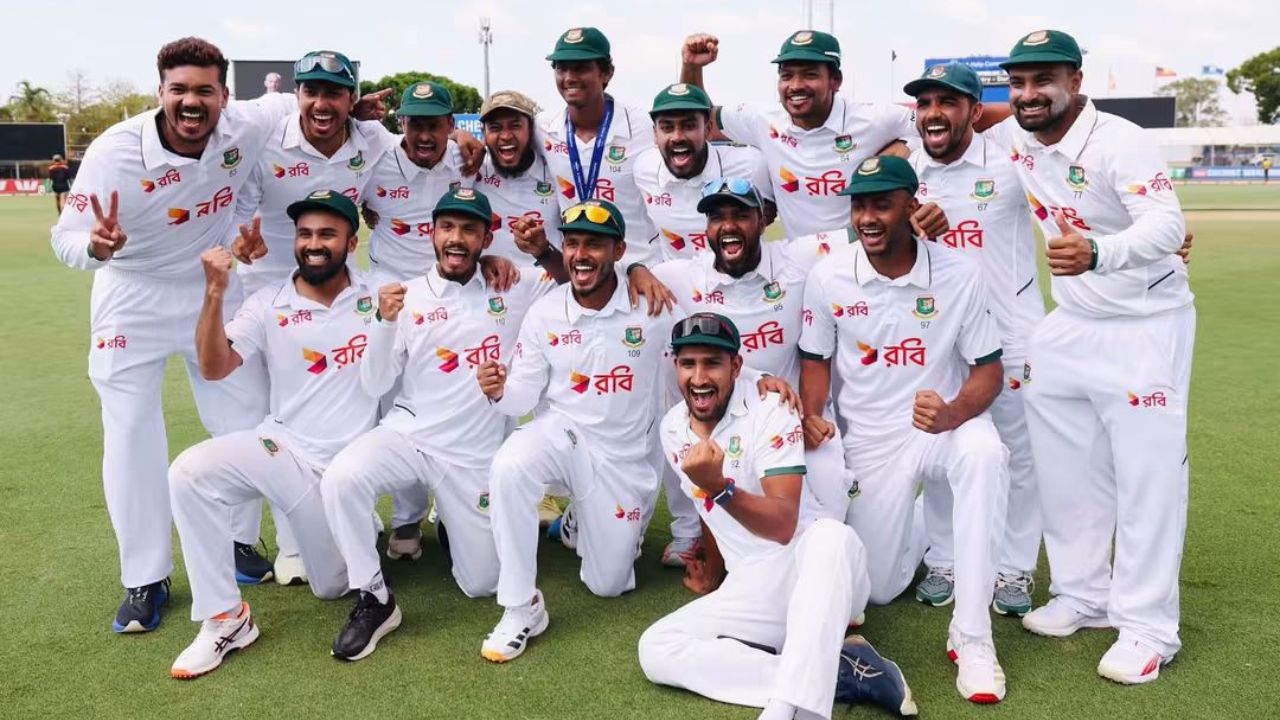



Bangladesh’s batting collapse and loss in the second Test in Mackay was painful, but it cannot dwarf what the Tigers achieved only a week earlier. Winning a Test against Australia on their home soil—and doing so within four days—was the finest result in Bangladesh’s Test history.
The final memory should not be of what went wrong in Mackay. Bangladesh went to Australia after 23 years, won a Test there for the first time, drew the series 1-1 and climbed to sixth in the Test rankings for the first time in their history.
This is a rare achievement that most Test-playing nations, particularly in Asia, aspire to.
For a whole generation, seeing Bangladesh at number six felt more like a dream. The team spent much of its Test history around the lower end of the rankings. They were ninth and even 10th for long periods.
Now, for the first time, Bangladesh have reached sixth place. It is more than just a change in numbers. It is a sign of how far the team have come in the longest format.

Their historic tour of Australia played a major part in that rise. The nine-wicket win in Darwin was one of Bangladesh’s greatest cricketing results. Australia responded strongly in Mackay and won the second Test by an innings and 51 runs. Yet one heavy defeat does not take away what Bangladesh achieved over the series.
In Darwin, the Tigers proved something much bigger: Bangladesh can travel to the home of a major Test nation and win. They can take 20 wickets. Their fast bowlers can trouble world-class batters. Their batters can survive pace and bounce and build match-winning innings.
The individual landmarks sent a message to the world.


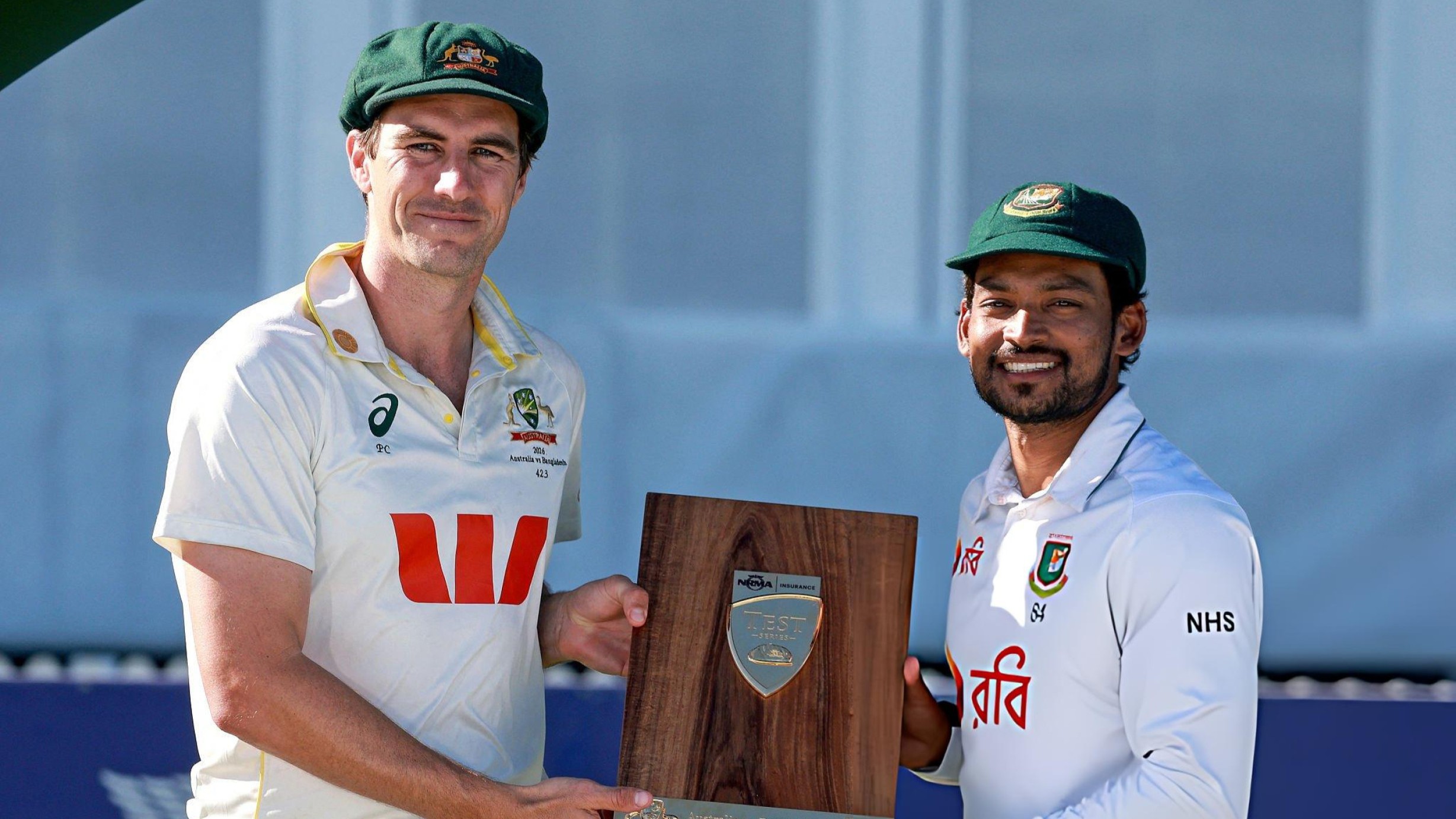
Tanzid Hasan Tamim became the first Bangladesh batter to score a Test century in Australia. He built his innings of 101 with patience—punching, driving and leaving the ball well.
Hasan Mahmud became the first Bangladeshi bowler to take a Test five-wicket haul in Australia and later became the country’s first Test Player of the Match winner there, with bowling figures of 6 for 55. Regarding his ability to move the ball off the seam, former Australian fast bowler Damien Fleming said on a podcast, “Hasan Mahmud’s bowling was Glenn McGrath-like.” The fact that McGrath himself was on the podcast made the comment even more special.
Shoriful Islam added another record in Mackay. His 7 for 48 was the first seven-wicket haul by a Bangladesh fast bowler in Tests and the best innings bowling figures by a Bangladeshi in an away Test.
Mehidy Hasan Miraz also achieved something that the likes of Ravichandran Ashwin, Graeme Swann and even Muttiah Muralitharan had never achieved—a five-wicket haul in Australia. He took 5 for 66 in the second innings of the first Test by repeatedly pitching the ball into the footmarks and varying his pace effectively. His fifty with the bat in Darwin also helped his side win.
These are not isolated achievements. Together, they show why Bangladesh’s rise to sixth deserves attention.
For years, Bangladesh entered difficult away Test series as clear underdogs. Winning in countries such as Australia, England or South Africa appeared a distant prospect. That perception will now begin to change.
The Tigers can no longer be viewed as harmless visitors.
Australia have now felt that themselves. Bangladesh beat them in Darwin and forced them to respond in Mackay to save the series. The final scoreline was 1-1, something few would have expected before the tour.
Bangladesh have also built evidence of their progress away from home before. Their famous Test win in New Zealand at Mount Maunganui in 2022 showed that they could beat a major side in its own backyard. Darwin strengthened that belief.
That matters when Bangladesh next travel to places such as South Africa or England. Those teams will know that Bangladesh have a pace attack capable of taking 20 wickets, even if they travel without their trump card, Nahid Rana.
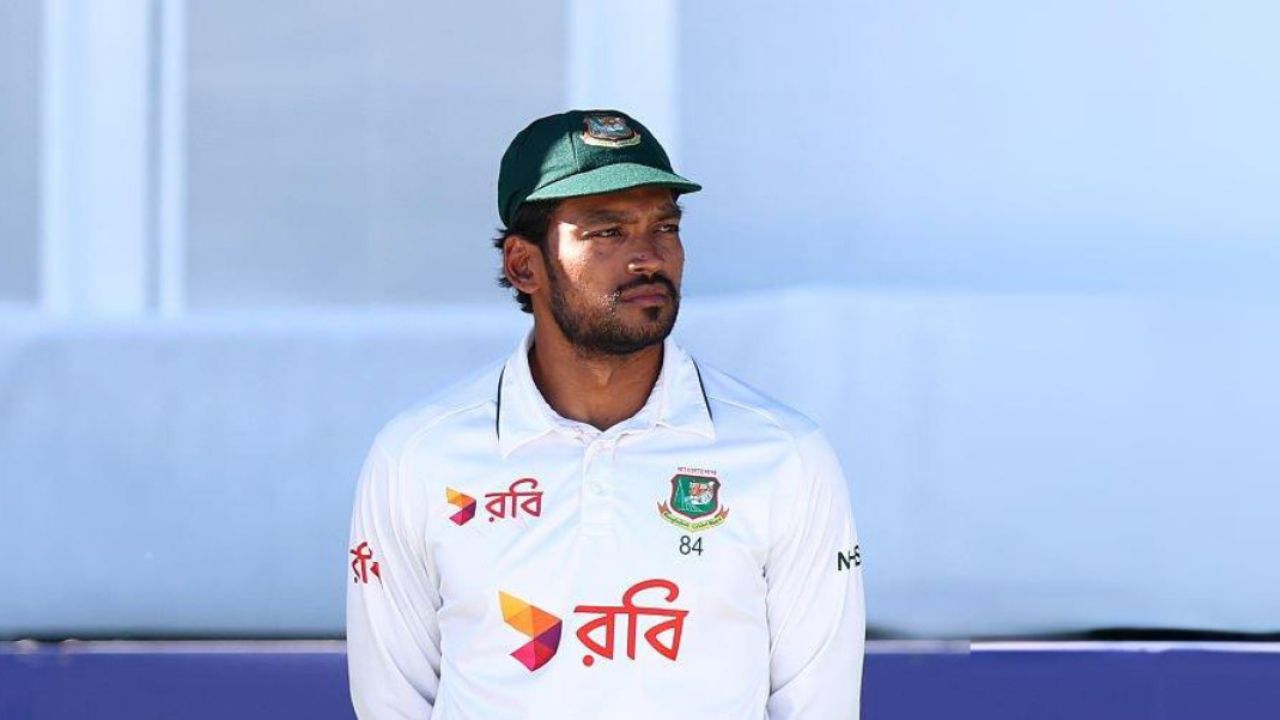
Captain Najmul Hossain Shanto believes Bangladesh need more opportunities in these conditions. After waiting 23 years to return to Australia for a Test series, he made his wish clear. “We want to play here consistently, not every 23 or 25 years.”