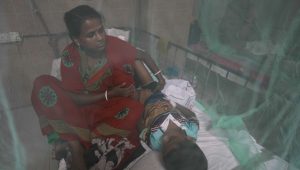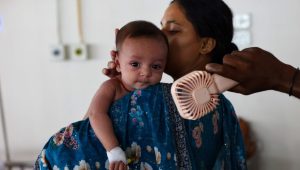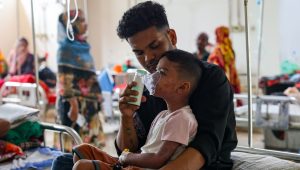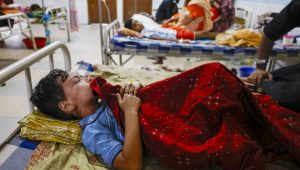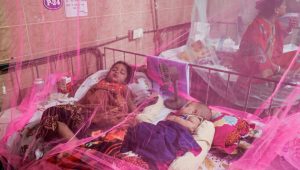



Bangladesh recorded 13,619 dengue cases in the first 23 days of August, making it the worst-affected month of the year so far and taking the annual tally to 28,929.
The August caseload has already surpassed July’s total by 48 per cent, with seven days still remaining.
The country reported 9,206 cases in July, with the daily average rising from about 297 cases to 592 in August, according to the Directorate General of Health Services (DGHS).
July and August together accounted for 22,825 cases, or nearly 79 per cent of all dengue infections reported this year.
The surge in cases and deaths during these two months shows a sharp escalation of the dengue burden during the monsoon, with nearly four in every five infections and deaths recorded in July and August.

Entomologist Professor Golam Mostafa of Jahangirnagar University said mosquito-control efforts should focus on destroying breeding sites and testing insecticide effectiveness instead of relying only on killing adult mosquitoes.
“The chemicals used for mosquito control must be scientifically tested to determine the effective concentration and whether mosquitoes have developed resistance to them,” he told TIMES.
“Repeated spraying of insecticides alone will not produce the desired results,” he added.
Mostafa suggested assessing modern mosquito-control technologies, including the Sterile Insect Technique, which is used in several countries to reduce mosquito reproduction. However, he said their effectiveness should first be evaluated under Bangladesh’s local conditions.



He criticised city corporations for weaknesses in implementing conventional mosquito-control measures.
“If they cannot properly implement ordinary methods such as fogging due to corruption and mismanagement, how will they use advanced technologies?” he said.
Dengue cases remained relatively low in the first half of the year, with 1,081 cases in January, 409 in February, 353 in March, 640 in April, 714 in May and 2,907 in June. The number increased sharply in July and August.
The rise in infections has also pushed up deaths. Of the 82 dengue deaths recorded this year, 64 occurred in July and August, accounting for about 78 per cent of the total. July recorded 36 deaths, while August has so far reported 28.
In the 24 hours until Sunday morning, Bangladesh recorded 839 new cases and five deaths. A total of 1,951 dengue patients are currently undergoing treatment in hospitals.
The outbreak has spread beyond Dhaka, with Barishal reporting the highest number of cases among areas listed by DGHS, at 4,990. Chattogram followed with 4,589 cases and Khulna with 4,120.
Dhaka South City Corporation recorded 3,953 cases, while areas of Dhaka division outside city corporations reported 3,804.
Public health expert and former principal scientific officer at the Institute of Epidemiology, Disease Control and Research (IEDCR) Mohammad Mushtuq Husain urged authorities to take immediate action against stagnant water and mosquito breeding sites.
“Wherever water remains stagnant, the risk of dengue will remain,” Husain told TIMES.
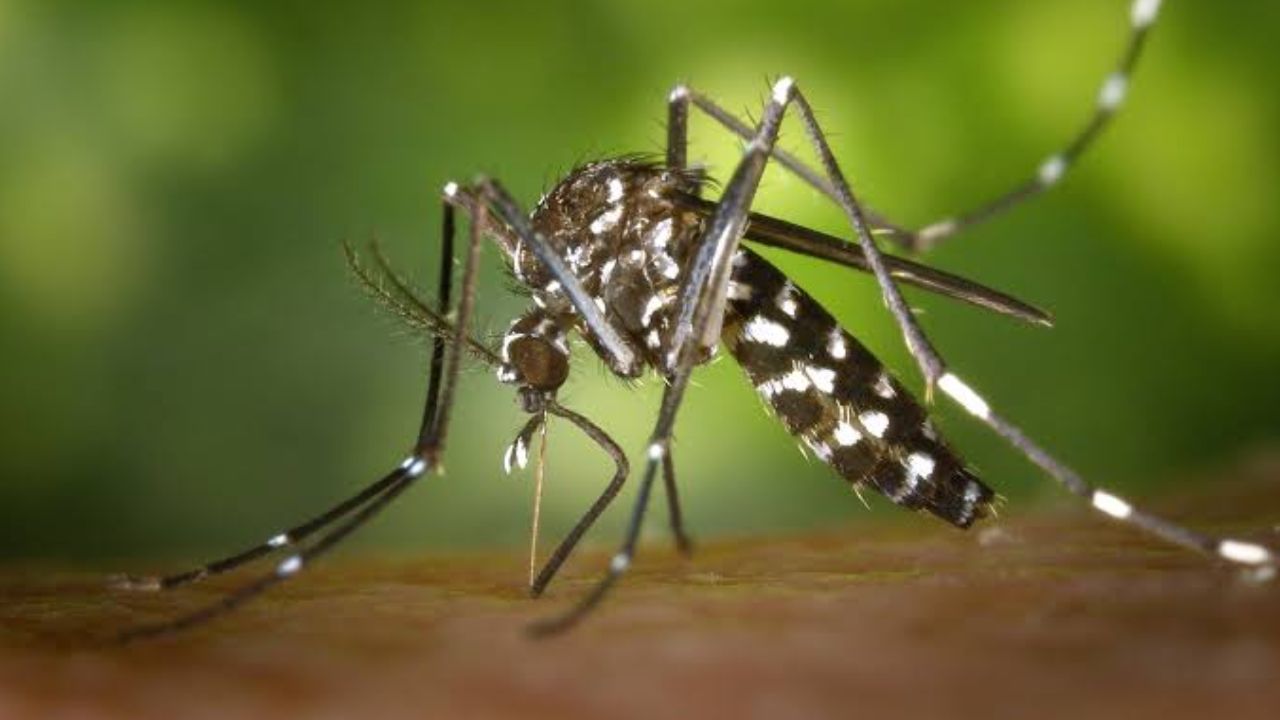
He called for regular clean-up drives and stronger mosquito-control measures, warning that prolonged water stagnation creates favourable conditions for Aedes mosquitoes.
Husain also warned that dengue could pose a serious risk to children recovering from measles.
“Those who have recovered from measles could be in serious danger if they contract dengue,” he said.