



Bangladesh is struggling to contain the world’s worst measles outbreak, with gaps in immunisation, unreliable data and inadequate community outreach hampering efforts to control the disease.
According to World Health Organization (WHO) figures, Bangladesh recorded 202,000 suspected measles cases between mid-March and 9 October, including 22,000 laboratory-confirmed cases. The country has reported the highest number of suspected cases of any country worldwide this year, reports Reuters.
So far, 1,147 deaths have been attributed to measles, with children under five accounting for 94 per cent of the fatalities.
The WHO recommends 95 per cent vaccination coverage to prevent widespread transmission.
Bangladesh’s coverage declined in 2025 after years of progress, with first-dose coverage falling from 96 per cent in 2024 to 90 per cent and second-dose coverage dropping from 93 per cent to 86 per cent, according to a joint WHO-UNICEF report.
A Reuters investigation, based on internal WHO documents and interviews with more than a dozen health workers, scientists and officials, found that the response was hampered by inaccurate official data, inadequate preparation and difficulties reaching vulnerable families.
Children die as health workers fail to reach families
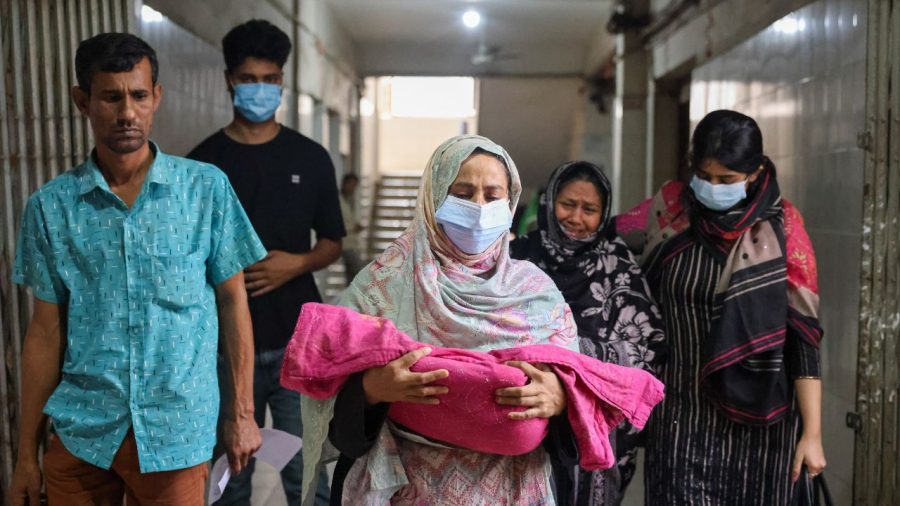
In July, two-year-old Arman Hossain died in hospital just 24 hours after admission. The unvaccinated child’s family had sold their three-wheeled auto-rickshaw to pay for his treatment.
His four-year-old sister, who was also unvaccinated, survived the infection. Their father, 26-year-old Amin Mia, said health workers had failed to visit their remote village in Sylhet in time.

“They came only after I buried my son,” Mia said.
In Chhatak, Sylhet, 30-year-old carpenter Humayun Rashid lost his nine-month-old daughter, Labiba Akter, in June. The child could have received a vaccine during an emergency campaign in April, when the government temporarily lowered the eligible age from nine months to six months.
“No health worker came to tell us,” Rashid said.
Although measles typically causes two to three deaths per 1,000 cases worldwide, it is more deadly in poorer countries, where malnutrition increases vulnerability.
Immunisation gaps and flawed campaign
In May, Health Minister Sardar Md. Sakhawat Husain said emergency vaccination drives had reduced cases in hotspots “almost to zero” and brought the outbreak under control.


By September, Bangladesh was recording an average of 1,198 new cases a day, the highest transmission level since May.
Political instability following the 2024 protests that ended the 15-year rule of Prime Minister Sheikh Hasina disrupted routine immunisation. Health worker strikes, delayed vaccine procurement and missed follow-up schedules contributed to the decline in coverage.
The WHO-UNICEF report also questioned the reliability of official immunisation records from 2023 to 2025. Some regional figures showed vaccination coverage exceeding 100 per cent of the target population, indicating errors in dose counts or estimates of eligible children.
Bangladesh vaccinated nearly 20 million children during an emergency campaign in April and May, temporarily slowing transmission. Authorities said all children aged six months to five years had been reached.
A separate routine health initiative in June identified another four million children in the same age group who had not been accounted for in the campaign.
“There is a gap,” Ziauddin Hyder, special assistant on health affairs to Prime Minister Tarique Rahman, said on 14 September. He attributed the discrepancy to parental reluctance or childhood illnesses that prevented children from attending vaccination sessions.
Reuters reviewed minutes from meetings between government representatives, the WHO and international health partners that showed the emergency campaign was launched after only one round of operational readiness checks, instead of the standard four.
The checks assess preparations such as vaccine refrigeration and population estimates. The single assessment found that several districts were not ready.
Mahmudur Rahman, an epidemiologist and chair of Bangladesh’s National Verification Committee for Measles and Rubella Elimination, warned that poor preparation puts the most vulnerable children at risk.
Tajul Islam Abdul Bari, who led Bangladesh’s national immunisation programme until 2017, said effective nationwide campaigns usually require months of preparation.
An August review by health partners found that the proportion of laboratory-confirmed measles patients who had never been vaccinated remained virtually unchanged, rising from 82 per cent before the campaign to 85 per cent afterwards.
The WHO did not respond to requests for comment on the internal meeting records. Its deputy representative to Bangladesh, Rajesh Narwal, said routine immunisation must become more effective and resilient to prevent similar gaps.
Millions of children remain vulnerable
In September, a Reuters survey of 16 families in Sylhet found that half had never received a visit from immunisation workers. At least six households said health workers arrived only after a child in their community had died.
At the end of September, the government launched another campaign targeting 3.4 million children who had previously been overlooked.
“We will involve people across villages so that no child is left behind,” Health Minister Husain said.
Major barriers remain. Estimates from UNICEF and the Bangladesh Bureau of Statistics indicate that up to 40 per cent of children in Bangladesh are not registered at birth. Official health data also show that about one-third of public health worker posts are vacant.
Health experts have urged the government to extend vaccination eligibility to children over five, who account for one-third of measles cases in the country, according to the WHO.
Researchers are also investigating evidence that immunity among infants under six months is declining faster than expected, despite the protection they traditionally receive from maternal antibodies.
The healthcare system is under further pressure from a widespread dengue outbreak.
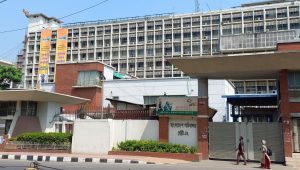
In September, Shahid Shamsuddin Ahmed Hospital, a 100-bed facility in Sylhet and the district’s main measles treatment centre, was treating 178 admitted patients, far exceeding its capacity.
Public health experts warn that Bangladesh’s experience highlights the potentially fatal consequences of declining vaccination coverage and the importance of effective routine immunisation.