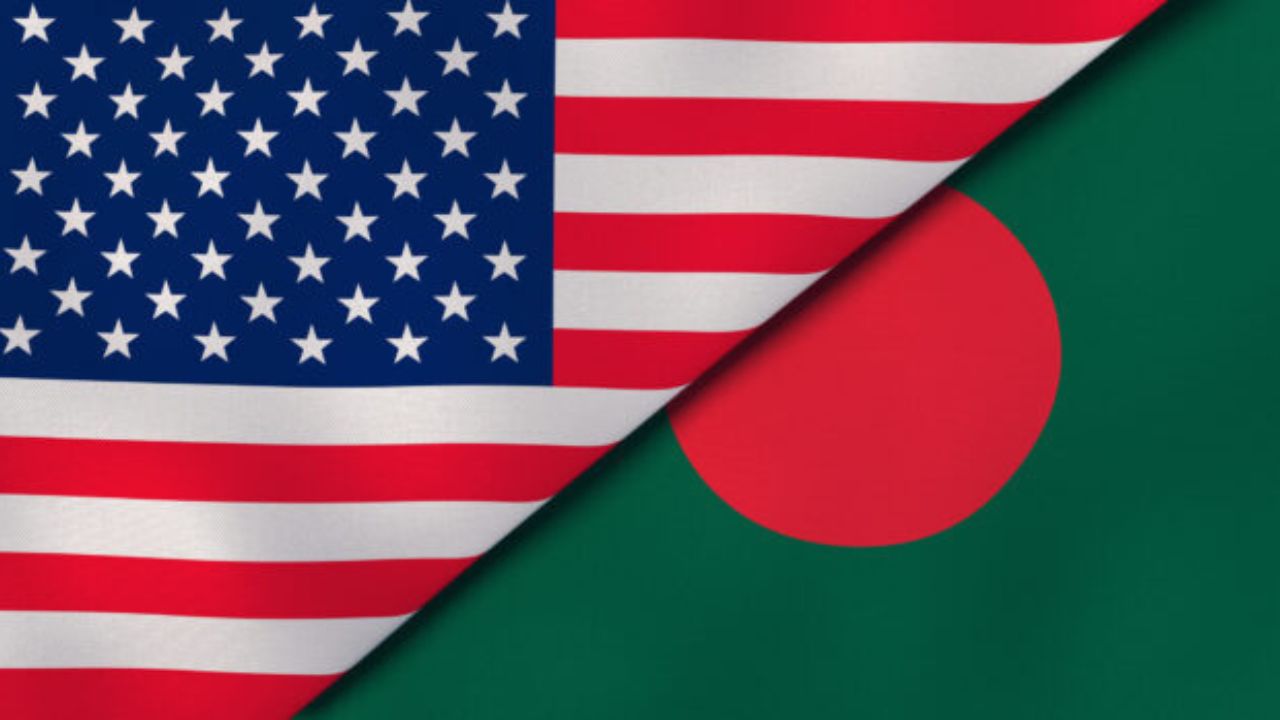
The interim government’s condemnation of minority repression in India has drawn mixed reactions at home. The move marks a notable shift in Dhaka’s approach, as it publicly pushes back against what it views as New Delhi’s narrative on minority repression in Bangladesh.
Analysts and former diplomats are divided over the initiative, questioning both its potential effectiveness and whether the policy stance will be sustained by the next government after the February election.
Former ambassador Md Abdul Hye said public statements by a government carry far greater weight than comments made by general people.
“If something is conveyed by public, it has limited impact. But when a government speaks publicly, the significance increases manifold,” he said.

However, he cautioned that the effectiveness of the initiative would depend on its outcome. “If India responds by toning down its rhetoric against Bangladesh or agrees to engage in dialogue on minority issues, then we can say the initiative has borne fruit,” he added.
He further said, “Given the Indian government post August stand about Bangladesh, the engagement between Bangladesh and India may take place only after the February general election in Dhaka held peacefully.”




On Sunday, Bangladesh has condemned what it described as repression of minorities in India, expressing deep concern over incidents of killings, lynchings, arbitrary detentions, and disruptions of religious practices targeting Muslims, Christians, and other minority communities.
Responding to a query on Sunday, the director general of Public Diplomacy at the Ministry of Foreign Affairs said the reported violence against minorities in India was alarming and warranted serious attention. He cited incidents of brutal killings, mob violence, and attacks on religious observances as matters of grave concern for Bangladesh.
Positive outcome
Another former diplomat, speaking on condition of anonymity, stressed that any diplomatic initiative must be result-oriented. “If Bangladesh believes this approach will produce a positive outcome, it will gain support,” he said. Otherwise, he warned, it risks being perceived as interference in India’s internal affairs.
“We have consistently rejected Indian commentary on our minority issues. Now, by condemning India’s record, we risk entering a blame game,” he said. “If this leads only to mutual accusations, it will serve no constructive purpose.”
In its statement, the foreign ministry cited several recent incidents, including the killing of a Muslim youth, Jewel Rana, in Odisha, and Muhammad Atahar Hossain in Bihar. It also referred to the killing of an individual in Kerala who was suspected of being a Bangladeshi national, as well as multiple cases of mob lynching and violence against Muslims and Christians across different regions.
Bangladesh also expressed deep concern over reports of widespread violence targeting Christians during Christmas celebrations last week, describing the incidents as hate crimes and targeted attacks.
Dhaka has urged Indian authorities to conduct impartial investigations into these incidents and ensure accountability. The foreign ministry reiterated that protecting minority rights is a fundamental responsibility of every state and called on all countries to uphold their obligations in this regard.