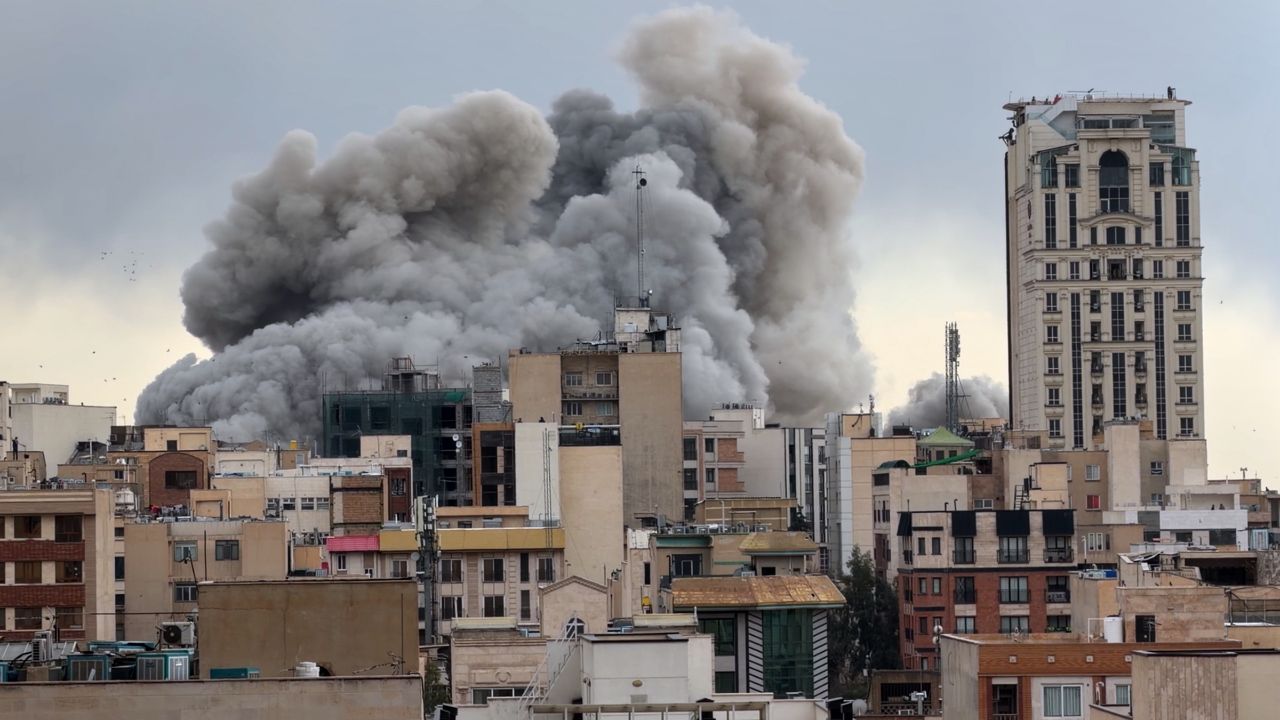



The conflict imposed on Iran by the United States and Israel has entered a dangerous new phase, with mounting casualties across multiple countries and widening regional involvement that now stretches from Lebanon to the Gulf and beyond. As Israeli and US forces intensify their campaign inside Iran, Tehran has responded with expanding missile and drone strikes targeting Israel, American military assets and energy infrastructure across the Middle East.
At the forefront of the latest escalation is the growing human toll. In Lebanon, at least 31 people have been killed in Israeli air strikes launched after Hezbollah fired a barrage of rockets at northern Israel. Lebanese health officials say dozens more were wounded as heavy bombardment hit parts of Beirut and southern Lebanon. Israel’s military has since said it is striking Hezbollah targets “throughout Lebanon”, and has issued evacuation warnings to residents in 18 towns it claims are being used by the group.
The fighting has also claimed American lives. The US military confirmed that a fourth service member has died from injuries sustained during Iran’s initial retaliatory strikes, bringing the total number of American personnel killed since the operation began to four. Defence officials have acknowledged that further losses are possible as what they describe as “major combat operations” continue.
In a further sign of the war’s volatility, three US F-15E fighter jets were “mistakenly” shot down by Kuwaiti air defences during a wave of Iranian attacks. All six crew members ejected safely and were recovered, but the incident has underscored the risks posed by fast-moving, multi-country engagements in contested airspace.
Inside Iran, the joint US-Israeli offensive has inflicted significant destruction. The Iranian Red Crescent says at least 555 people have been killed since the strikes began on Saturday. Iranian state media report that dozens of civilians were among the dead in attacks that hit residential neighbourhoods and public buildings, including a school in the south of the country. Five civilians, including a child, were killed in a bombing in Kermanshah province, according to local reports.

Israeli officials say their air force dropped more than 1,200 munitions across 24 of Iran’s 31 provinces in the past day alone. Targets have included missile production facilities, naval assets, airbases and security headquarters. Iranian authorities say the Natanz nuclear facility was struck, with Tehran accusing Washington and Tel Aviv of attacking safeguarded nuclear infrastructure.
Reports from Tehran also indicate that an emergency services building in the capital sustained serious damage, with several staff injured. Loud explosions have been heard near Isfahan, close to a nuclear facility and airbase, adding to concerns over the scale of infrastructure damage.



US Defence Secretary Pete Hegseth has described the operation, named “Operation Epic Fury”, as a focused effort to destroy Iran’s missile capabilities, naval forces and security infrastructure, while insisting it will not become an “endless war”. President Donald Trump has warned that attacks will continue until all objectives are achieved and has vowed to avenge the deaths of US personnel.
Iran’s leadership has rejected claims that it is seeking renewed nuclear talks. Security chief Ali Larijani dismissed reports of a fresh diplomatic push, even as the head of the International Atomic Energy Agency urged both sides to return to dialogue once fighting subsides.
Tehran has broadened its retaliation well beyond Israeli territory. The Islamic Revolutionary Guard Corps says it has launched attacks on 27 bases across the Middle East where US forces are deployed. So far, Iranian missiles or drones have targeted Israel and at least eight other countries: Bahrain, Iraq, Jordan, Kuwait, Oman, Qatar, Saudi Arabia and the United Arab Emirates. An Iranian drone also struck a runway at a British military base in Cyprus.
Most projectiles have reportedly been intercepted, but some have penetrated air defences. US officials said one Iranian strike hit a fortified tactical operations centre, contributing to American casualties.
Energy infrastructure has come under particular strain. Drone attacks have been reported at sites in Qatar and Saudi Arabia, while an oil tanker in the Gulf of Oman was struck, killing one person. QatarEnergy has halted liquefied natural gas production, prompting a sharp surge in European and Asian gas prices. Meanwhile, Israel has ordered the temporary shutdown of the Leviathan gas field in the Mediterranean.
Iraq’s foreign minister has warned that his country is now “directly affected by the course of the war”, calling for urgent international efforts to secure an immediate ceasefire. Gulf analysts say the conflict has moved beyond proxy confrontation and is now challenging the sovereignty of states hosting US forces.
While US officials say the objectives are clear — degrading Iran’s military capacity and preventing it from acquiring a nuclear weapon — questions remain about the political endgame. Some American rhetoric has suggested that sustained pressure could encourage internal unrest or even regime change in Tehran. However, analysts caution that such outcomes would likely require a far larger military commitment than air power alone, and could trigger prolonged instability.
For now, explosions continue to echo across Iran, Israel and parts of the Gulf for a third consecutive day. Airspace restrictions, energy disruptions and mounting civilian casualties are compounding fears that the conflict could spiral further.
Diplomatic channels remain limited but not entirely closed. The head of the UN nuclear watchdog has stressed that both Washington and Tehran recognise the need for dialogue, though no timetable has been set.
With multiple fronts active and regional actors increasingly drawn in, the Middle East faces one of its most volatile moments in decades.