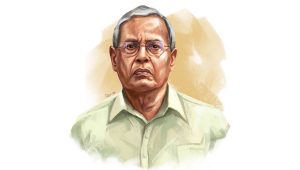
Eid is a time when style meets celebration, and every outfit tells a story. For Lipi Khandaker, the creative force behind Bibiana, designing for Eid is about more than following trends. It’s about capturing emotion, tradition, and timeless craftsmanship. Known for her intricate hand embroidery, kolka motifs, and layered designs, she creates pieces that feel personal, elegant, and distinctly festive.
In this Eid feature, Lipi Khandaker shares her journey from childhood sketches to leading a renowned fashion label, offering a glimpse into her inspirations, festive designs, and how Bangladeshi Eid fashion continues to evolve.
What inspired you to choose fashion design as a career?
Lipi Khandaker: I’ve loved drawing since childhood, and my mother was my biggest inspiration because she always dressed us beautifully and sparked my interest in fashion.
I used to collect magazine cutouts and experiment with designs, eventually creating pieces for people around me. I once secretly designed six outfits for a competition, afraid I might lose, but winning it marked the true beginning of my journey.

Who or what influences your creative process the most?
My travel experiences. I draw ideas from landscapes, architectural details, and even simple elements like windows and doors. Most of it comes from the things I observe around me while travelling.
How would you describe your signature style?
Hand embroidery and Kolka-motif pieces are what Bibiana is known for.




How is Eid fashion different from other seasonal collections?
Eid is what sets the entire year’s fashion trail.
What have you planned for this Eid?
While most brands focus on vibrant shades and bold designs during Eid, I prefer to stay true to my usual earthy tones. My clients are attracted to layered details, simplicity, and distinctive patterns in my pieces.
What trends do you predict will dominate this Eid?
Fusion, oversized patterns in muted tones.
What challenges do designers face during the Eid production rush?
Labour availability and productivity have become significant challenges. With the growing number of boutiques in the industry, maintaining consistent commitment from workers is no longer as smooth as it once was. Additionally, many artisans today are less detail-oriented and patient when it comes to intricate work.
How do you ensure quality while maintaining high festive demand?
To be honest, even though we put in our maximum effort to achieve perfect quality, I sometimes find myself not fully satisfied with the outcome. As a designer, feel like there’s always room for improvement.
How does Bibana stay relevant to young fashion enthusiasts now, after being in the fashion industry for so many years?
Bibiana has always targeted younger audiences and working professionals. When I design my pieces, I keep in mind that they should be effortlessly worn by both a 16-year-old and a 36-year-old. Moreover, Bibiana’s budget-friendly pricing reflects this very philosophy.
How has Bangladeshi Eid fashion evolved over the years?
In my opinion, fashion consciousness has evolved significantly over the past 5–10 years. Today, people carry whatever they wear with remarkable confidence and grace. Whether for Eid or everyday wear, the focus is on experimenting with looks that work for everyone.