

For years, Wolverine has been one of Marvel’s most obvious candidates for a great video game. The character has everything a developer could want: razor-sharp claws, a healing factor, decades of trauma and breathtaking anger management issues that can turn a quiet conversation into a bloodbath.
With Marvel’s Wolverine, Insomniac Games finally gives Logan the spotlight he has been waiting for. In stepping away from the sprawling open-world formula of Marvel’s Spider-Man, the studio discovers both the strengths and limitations of a more focused approach.
Running roughly 11 hours, Wolverine is a tightly constructed, linear action-adventure that swaps New York’s skyscrapers for a globe-trotting journey through locations including Madripoor and Tokyo. The result feels closer to Uncharted or the classic God of War games than Insomniac’s previous superhero outings. And, for the most part, that works.
The story is easily the game’s strongest weapon. Set decades after James “Logan” Howlett joined Nathaniel Essex’s mutant task force, Team X, the narrative begins with Logan investigating scientist Bolivar Trask following reports of missing mutants. What initially appears to be another investigation soon expands into a conspiracy involving anti-mutant sentiment, Sentinels and ghosts of Logan’s past.
That gives Insomniac plenty of opportunities to bring some of Marvel’s most recognisable characters into the story. Mystique, Sabretooth and Jean Grey all play significant roles, with Logan’s relationships with them providing some of the campaign’s most memorable moments.
There is a tiredness to this Logan. He has spent decades fighting, losing people and struggling with the violence inside him. The quieter moments, where Logan simply talks to another character or reflects on his past, often carry more weight than the spectacular fights surrounding them.

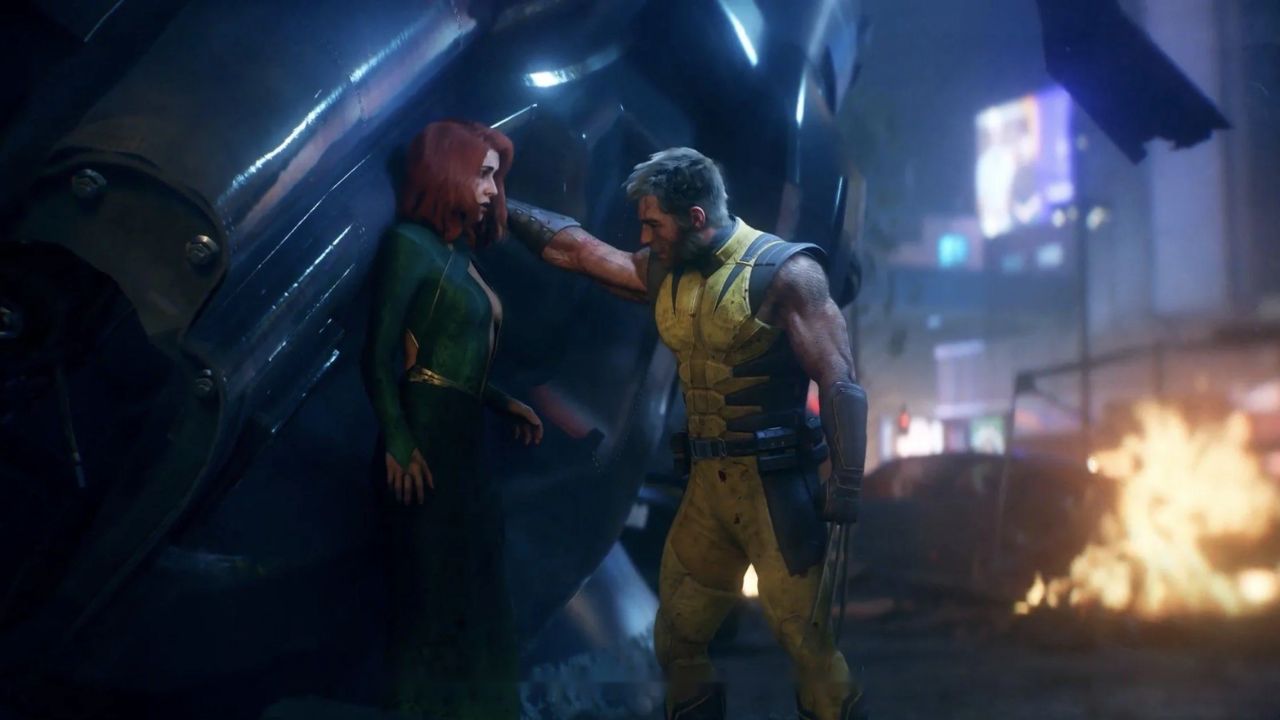
The relationship between Logan and Jean Grey is especially effective, balancing affection, tension and tragedy without allowing either character to become merely a plot device.
Thematically, Wolverine also understands what makes the X-Men universe so enduring. Mutant persecution, prejudice and fear of those who are different run through the story, giving the superhero spectacle a surprisingly grounded political tension.
The game does not simply tell players that mutants are hated; it shows how that hatred shapes institutions, relationships and individual choices.




Then, of course, there are the claws. Insomniac does not appear particularly interested in making Wolverine’s combat polite.
The game embraces the character’s brutality with an M-rated ferocity that makes every encounter feel appropriately dangerous. Logan tears through enemies with his claws, combines them with punches and throws and turns the battlefield into an expression of the character’s animalistic side.
Few things are more satisfying than watching Wolverine charge into a room knowing that the people inside have made a very poor career decision. The problem is that the novelty eventually wears off.
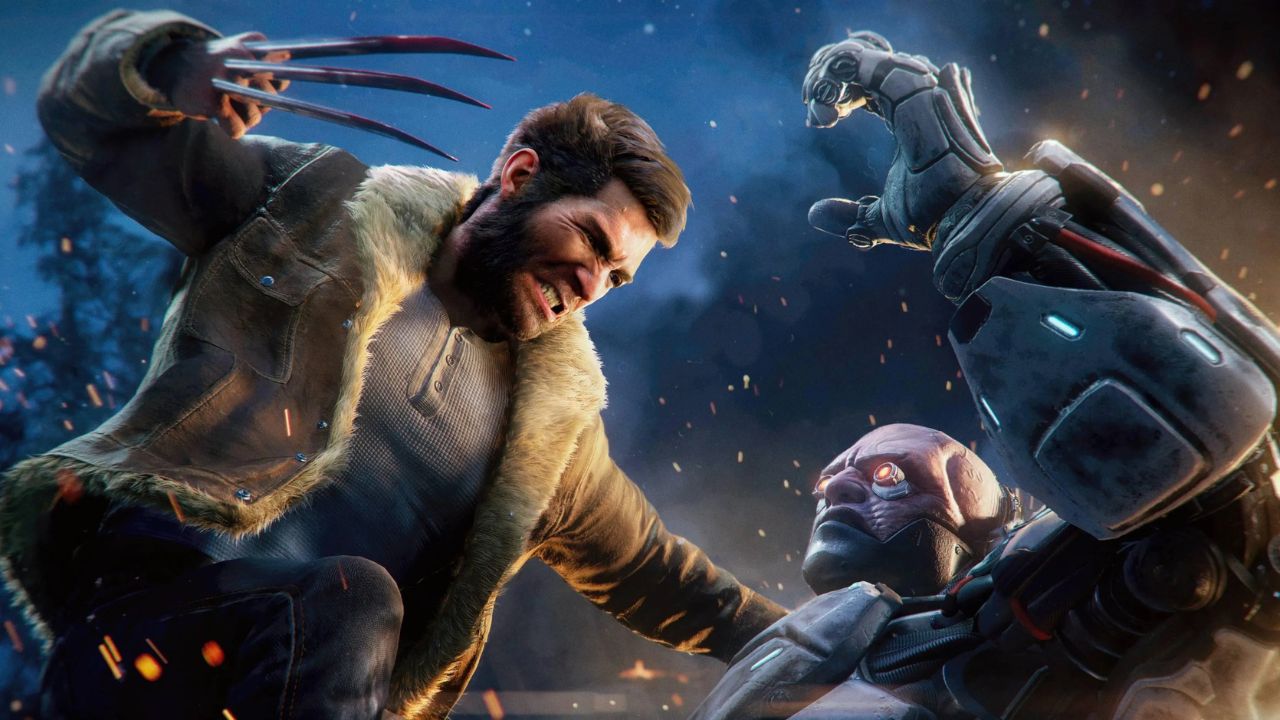
The first few hours of combat are exhilarating. The tenth variation of the same encounter is less so. Despite the impressive animations and satisfying impact, fights can begin to feel repetitive, particularly when the game repeatedly funnels Logan into similar arenas filled with groups of enemies.
This is where the decision to abandon the open-world structure becomes a double-edged sword.
The linear format keeps the story moving and eliminates much of the distraction that can plague enormous open-world games. There is little pointless wandering here. Almost every location exists for a reason, and the campaign rarely loses sight of its central narrative.
But there is also less room to breathe. Without the freedom of Spider-Man, the game occasionally feels like a carefully assembled sequence of corridors, arenas, cutscenes and scripted set pieces. The cinematic presentation is spectacular, but the structure can become predictable.
There are also moments when the sheer amount of violence begins to work against the character. Wolverine’s healing factor means the game can throw him into situations that would kill an ordinary human, and while that makes for spectacular action, it can also reduce some encounters to a familiar rhythm: enter area, tear through enemies, heal, repeat.
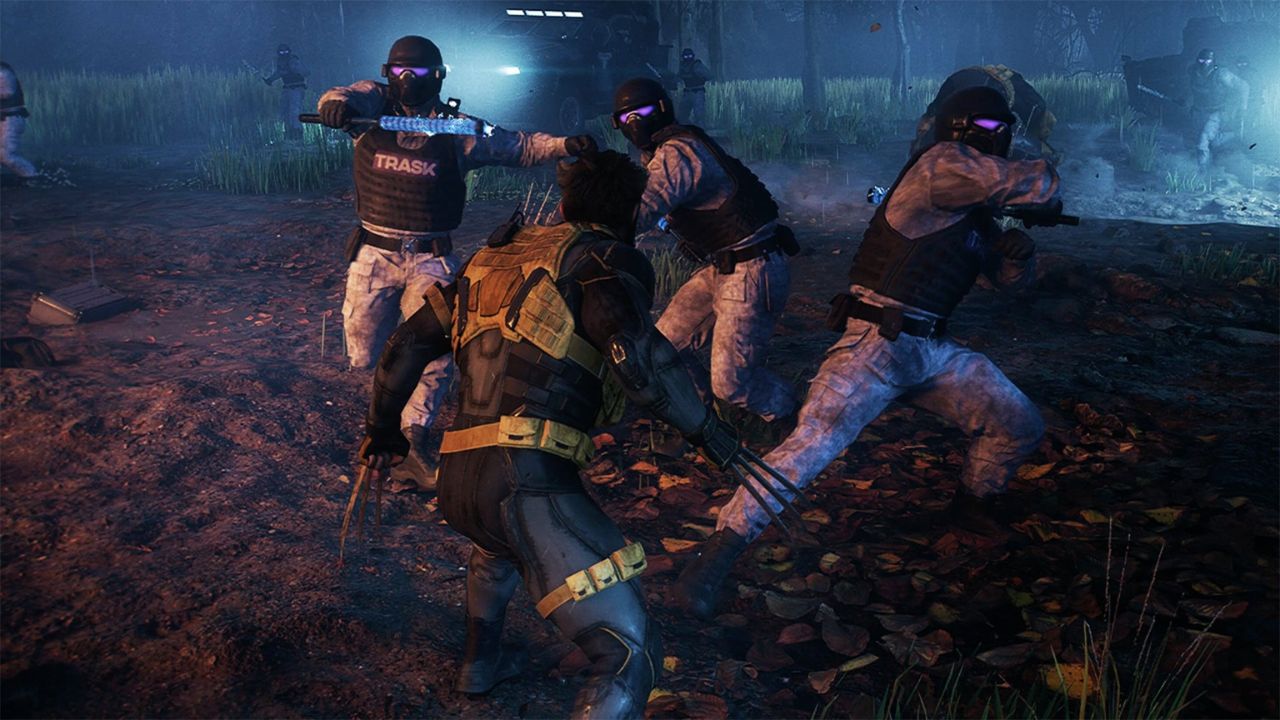
Still, when Wolverine is firing on all cylinders, it is difficult not to be excited. Insomniac has understood that Logan does not need to be another Spider-Man. He does not need a massive city filled with collectables and side activities. He needs a compelling story, meaningful relationships and combat that makes players feel like the most dangerous mutant in the room.
Marvel’s Wolverine delivers all three. It just occasionally forgets that even Wolverine needs a little variety.
The result is an entertaining, beautifully presented and emotionally grounded superhero adventure that gets many of the important things right. Its greatest achievement is making Logan feel like Logan – wounded, stubborn, frightening and surprisingly human.
The claws are sharp. The story has bite. The combat is gloriously savage. But after several hours of doing the same thing, even Wolverine might start wondering whether there is anything else to sink his claws into.
Rating: 3/5