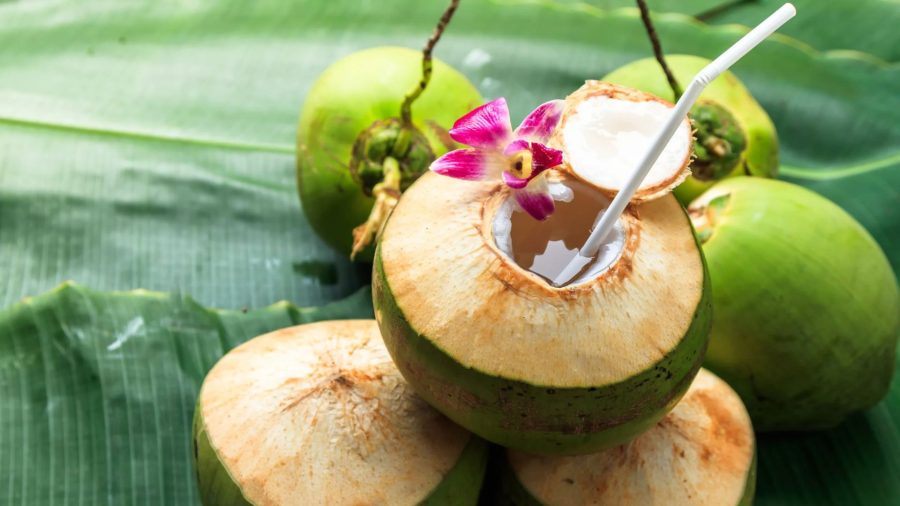

On a sweltering summer day in Dhaka, finding a cold drink can feel like a small luxury. For many pedestrians, however, the solution is right beside the road: a vendor with a three-wheeled pedal van piled high with green coconuts, or daab. After bargaining over the price, a coconut is opened, a straw is pushed in, and its cool water offers immediate relief from the heat.
Coconuts have been part of human life for thousands of years. Believed to have originated in the islands of Southeast Asia and the Indian subcontinent, it became an important resource for coastal communities, particularly where access to fresh water was limited. Ancient Ayurvedic texts, including the Charaka Samhita, mention coconut as both a dietary and therapeutic food as early as 700 BC.
The fruit also became deeply rooted in Bengal’s agricultural and culinary traditions. Coconut palms flourished in the region’s fertile lands and coastal belts, while coconut milk, flesh and water became staples in everything from traditional pithas to curries.

Its journey beyond Asia was closely linked to maritime trade and migration. Austronesian sailors carried coconuts across the Pacific and Indian oceans, where the fruit’s water could serve as a source of hydration during long voyages. Later, Arab and European traders helped spread coconut cultivation to parts of Africa, the Caribbean and South America.
Modern food-processing and packaging technologies eventually transformed coconut water from a highly perishable local drink into a global commercial product. In Bangladesh, meanwhile, the coconut has evolved from a familiar backyard fruit into an increasingly valuable cash crop.




Fresh coconut water is mostly water and contains electrolytes and other nutrients, including potassium, magnesium, calcium and sodium. It also contains natural sugars and smaller amounts of vitamin C and B vitamins. These properties make it a useful beverage for hydration, particularly in hot weather.
But coconut water is sometimes promoted as something far more than that. Claims that it can cure diseases, dramatically improve health or act as a universal detox drink go beyond what the evidence supports. Its nutritional value is real, but it is not a miracle cure.
There are also reasons not to overconsume it. Coconut water contains a significant amount of potassium, and excessive intake can be problematic, particularly for people with kidney disease or conditions that affect potassium regulation. In such cases, high potassium levels in the blood can cause dangerous heart-rhythm problems. Drinking large quantities may also cause stomach discomfort or diarrhoea.
Cultural beliefs have added another layer to the coconut’s reputation. In Bangladesh and elsewhere, people sometimes claim that drinking coconut water during pregnancy can influence a baby’s complexion, remove so-called “dark magic” or cure serious illnesses. Such beliefs have no established scientific basis.
The commercialisation of coconut water has reinforced some of these perceptions, with products often marketed as “detox” or “superfood” beverages. But branding does not change the basic nature of the drink.
Coconut water is neither a miracle cure nor something to fear. It is a refreshing, nutritious drink with a long cultural history. Enjoyed sensibly, a roadside daab can be an excellent way to cool down on a hot Dhaka afternoon. It just does not need to be a superfood to be worth drinking.