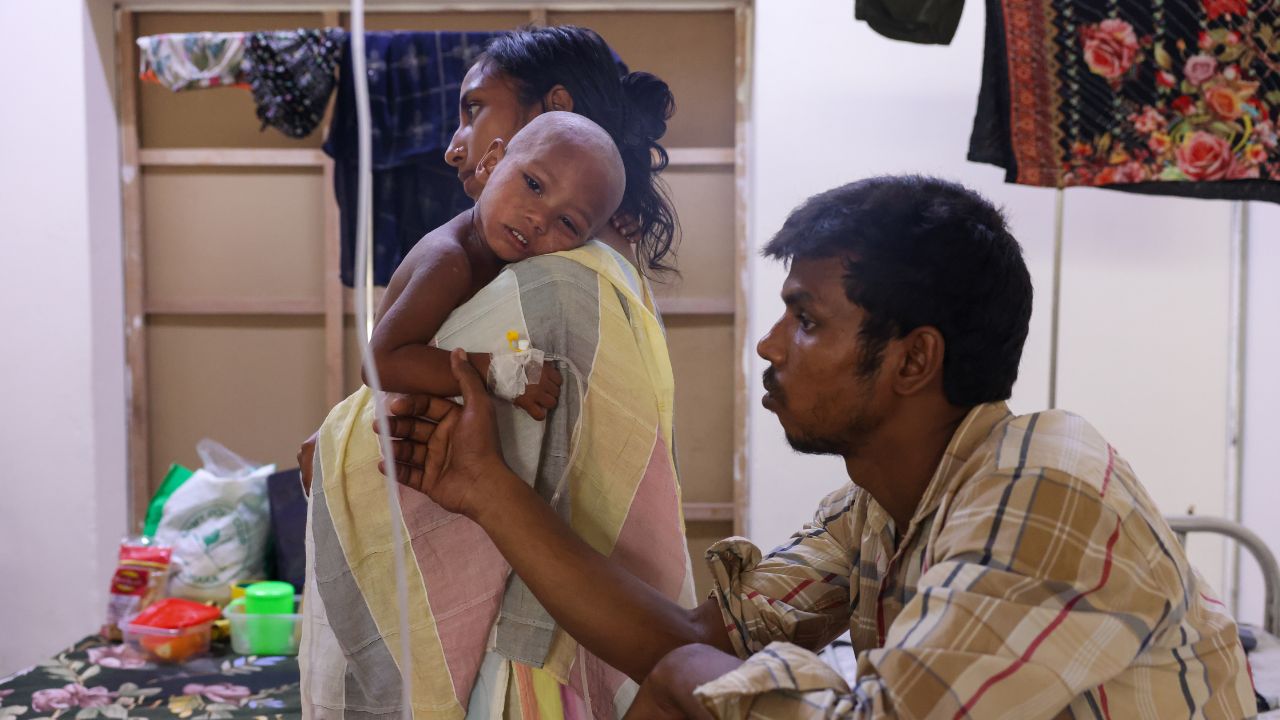


Water is not just a drink but an essential for health, especially for women. Drinking enough water is even more critical during menstruation, pregnancy and breastfeeding. Adequate water helps manage menstrual cramps, reduces the risk of urinary tract infections and supports hormonal balance. Skipping fluids can lead to fatigue, headaches and long-term health problems.
Yet across Bangladesh, millions of women deliberately drink less water when they are outside. For them, thirst is easier to bear than the fear of not finding a toilet. A few sips too many could mean hours of discomfort. In courts, markets, terminals and office buildings, the simple act of relieving oneself has become a daily struggle.
By eight in the morning, the crowd outside the Chief Metropolitan Magistrate Court in Old Dhaka is already swelling. Among them, lawyer Nazneen Sultana is seen rushing around with her female client, desperately searching for a usable toilet. When they finally find one, the door is locked. Another is declared “staff only.” The woman stands outside, anxious, embarrassed and in pain.
This is not an isolated incident. It’s a nationwide systemic failure. Only 24% of courts across Bangladesh have separate toilets for women; among those, just 12% are functional. That means nearly 88% of women seeking justice lack access to basic sanitation facilities.

The situation is even worse in many district courts. In Lakshmipur, Sunamganj and Rajbari, there are no separate women’s toilets at all. Shockingly, even special courts like Women and Children Repression Prevention Tribunals lack proper facilities in nearly 80% of cases, making the pursuit of justice even more distressing for women.
A 2024 BRAC observation across all 64 districts found that although an average of 140 women and children visit each court daily, women-friendly sanitation facilities exist in less than 10% of them. Court toilets also remain closed on Fridays and Saturdays, worsening the ordeal.
According to European CEPEJ standards, a court without separate women’s toilets is considered inaccessible. Bangladesh’s judicial spaces fall far short of these minimum benchmarks.

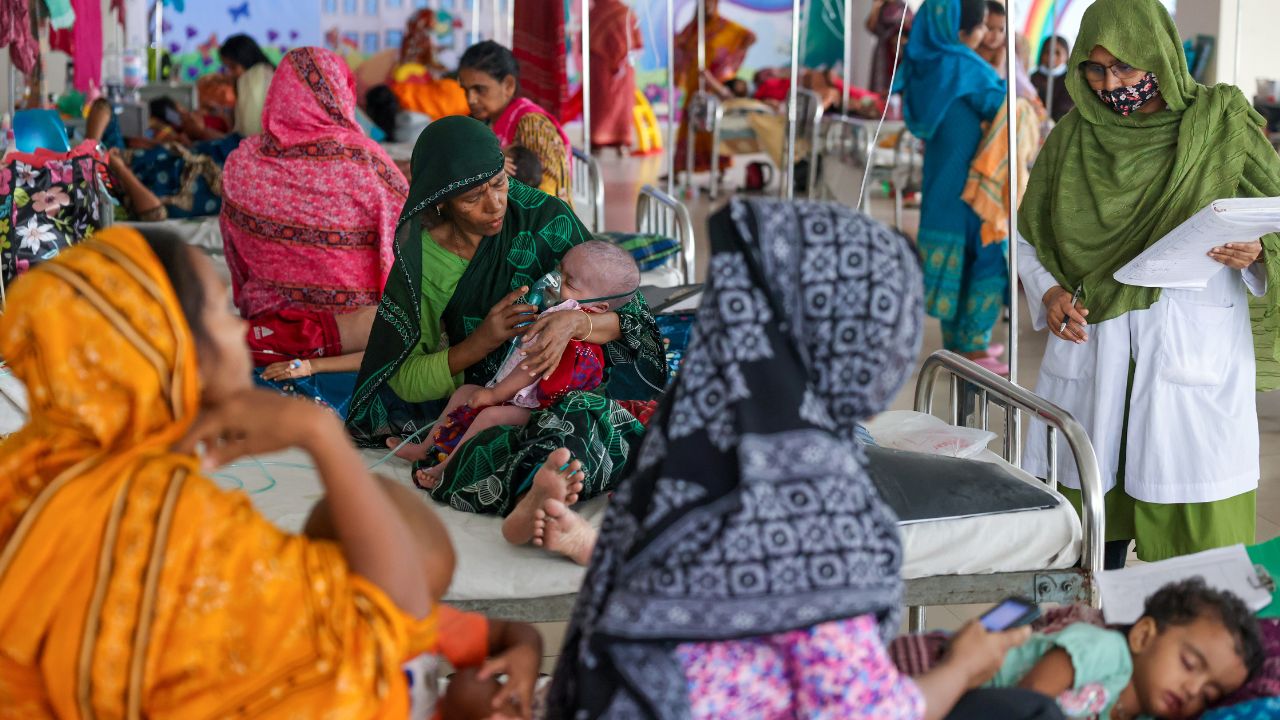


The problem extends far beyond court premises. Dhaka’s public spaces mirror the same neglect, be it streets, markets or workplaces. Women’s needs remain invisible.
This reality is sharply captured in WaterAid’s August report, “Women on the Move: How Poor Sanitation Forces Urban Women to Reduce Water Intake.” It reveals that 35% of women in Dhaka avoid using toilets outside their homes because they are unsafe, unclean or simply unavailable.
Among those who avoid public toilets, 74% say they deliberately reduce or completely stop drinking water because the toilets are dirty, overcrowded, unsafe or unhygienic. As a result, they face numerous health complications. About 59% of women report their urine turning dark yellow; 48.1% experience weakness and fatigue. Dry skin and cracked lips are also common. Even more concerning, 41% suffer from oliguria, 30.8% from constipation, and 22% experience recurrent urinary tract infections (UTIs).
Dehydration, restricted mobility, reduced work performance and constant discomfort have become part of daily life for many women. Lack of toilets has turned into a silent, structural barrier.
A telling example lies in the capital’s business districts. At Tikatuli’s Capital Super Market, where most shoppers are women, there are two men’s toilets, a prayer space, and ablution areas. But no women’s toilet. Female entrepreneurs and shoppers often rush to a nearby hospital in emergencies.
Beauty, a 37-year-old businesswoman, shares, “Most of our customers are women. Yet no one thought of building a toilet for us. I stop drinking water after leaving home. My throat dries up, my lips crack, my blood pressure fluctuates. What choice do we have?”
Public health specialist Dr Mohammad Mushtaq Hussain, Adviser at IEDCR, told Times of Bangladesh that lack of toilet access is not only distressing but also dangerous. Delaying urination puts women at high risk of UTIs, which can spread to the kidneys and cause severe complications. The risks worsen at workplaces or outdoors, impacting productivity and concentration.
He adds, “There’s constant mental stress. Many women deliberately drink less water to avoid using the toilets. This leads to dehydration, dizziness and weakness.” The long-term impact is far broader, affecting education, employment and women’s ability to move freely in society.
At the core of this issue lies one truth. Bangladesh urgently needs safe, separate, well-maintained women’s washrooms across courts, markets, transit hubs, schools and workplaces. The failure to provide something as basic as a toilet does more than inconvenience women. It quietly erodes their freedom, their health and their right to live with dignity.