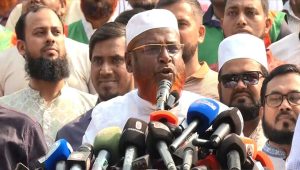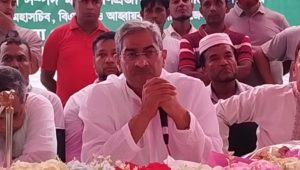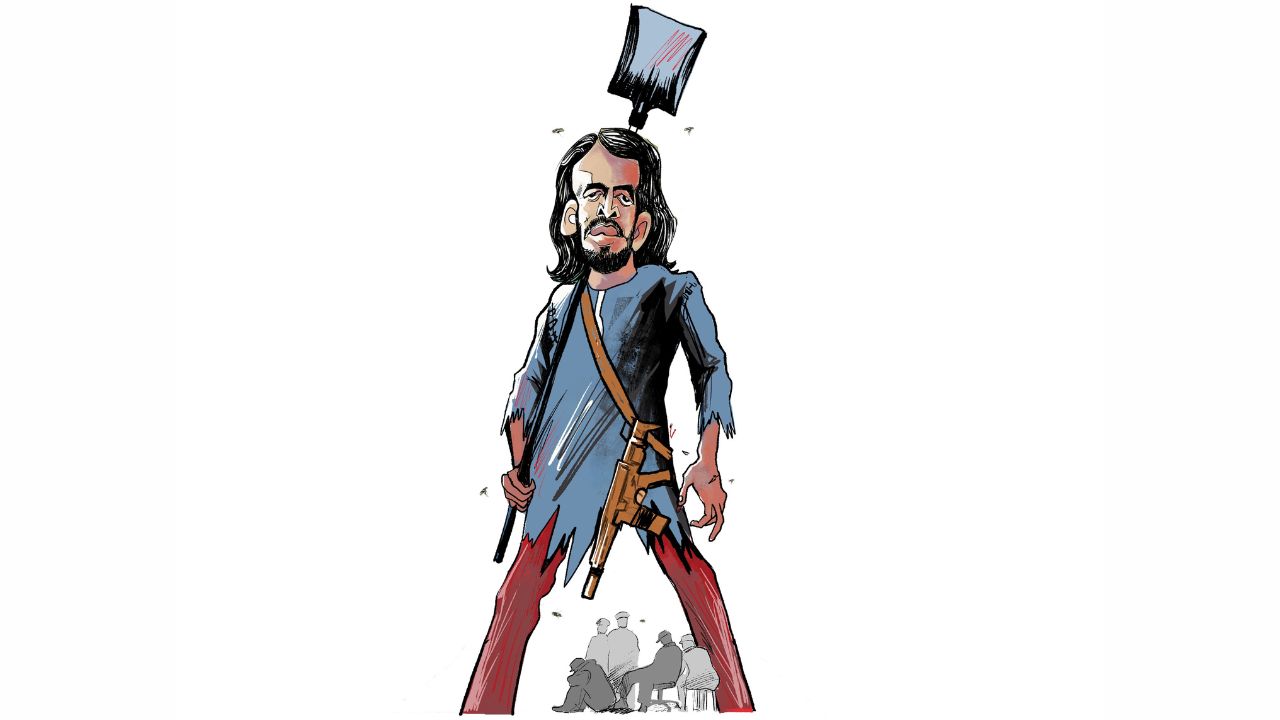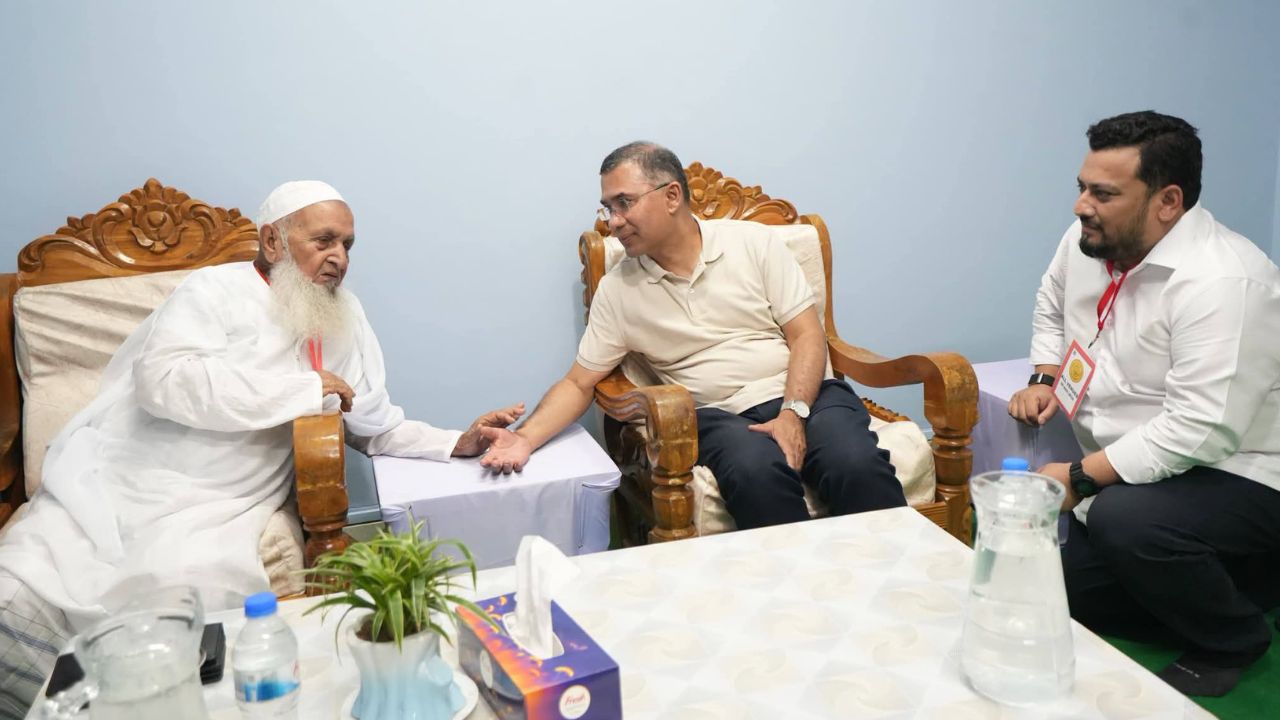



Hefazat-e-Islam Bangladesh has urged Prime Minister Tarique Rahman to maintain the entry ban on Maulana Saad and refuse permission for his followers to organise the Bishwa Ijtema at the Tongi grounds.
This demand was a central part of a nine-point memorandum submitted during a high-level exchange of views between the prime minister and top clerics on Sunday afternoon at the historic Al-Jamiatul Islamia Babunagar Madrasa in Fatikchhari, Chattogram.
The memorandum, signed by Hefazat Secretary General Muhammad Sajedur Rahman, emphasised that Tabligh Jamaat activities and the annual congregation in Tongi have traditionally been managed under the supervision of the Ulama.
The organisation insisted that current restrictions on Maulana Saad’s entry into Bangladesh must remain in place to ensure the continued oversight of religious scholars over these affairs.

Legislative and judicial demands
Alongside the issues regarding the Ijtema, the charter of demands called for the National Parliament to enact legislation providing for the maximum punishment for defaming Allah, the Prophet (PBUH), the Holy Quran, and Islam.
Hefazat further requested that no laws be passed that contradict the principles of the Quran and Sunnah.

Judicial justice was another key component of the memorandum, with the organisation seeking exemplary punishment for those involved in the killings at Shapla Chattar on 5 May 2013.
The clerics also called for justice against the perpetrators and masterminds of the killings during the 2021 anti-Modi movement and the July-August 2024 massacres to establish the rule of law.
Educational reforms and degree recognition
Regarding educational reforms, Hefazat demanded the effective implementation of the Masters equivalent status for the Dawra-e-Hadith degree of Qawmi Madrasas to facilitate students’ employment and higher education.
They also urged the government to include this degree as a requisite qualification for religious teacher posts in government job circulars and proposed making Islamic education compulsory for Muslim students from primary to higher secondary levels.
Religious status and national security
The memorandum further included demands to declare the Qadiani community “non-Muslim” and to ban the organisation Hizbut Tawhid.
Additionally, the group called for an end to alleged conspiracies by domestic and foreign missionaries in the Chittagong Hill Tracts and requested the withdrawal of cases filed against clerics during the tenure of the previous Awami League government.
The meeting, which commenced at 4pm, was chaired by Hefazat-e-Islam Ameer Allama Shah Muhibbullah Babunagari.
Approximately 70 prominent clerics from various parts of the country participated in the discussion, where they also expressed a desire for the Ulama to be included as partners in the ongoing process of state reconstruction.