


Jute, long known as the raw material for sacks, ropes and bags, is now being processed into tea.
The product is among the highlights of a six-day multi-purpose jute-product fair started on Saturday. The event is being organised by Jute Diversification Promotion Centre (JDPC) in Tejgaon, Dhaka. The fair features jewellery boxes, sarees, mats, wall decor, shoes, lamps, diaries and bags, showing how jute use is spreading across daily life.
Entrepreneurs, however, face obstacles that have not grown in step with product diversity. These include raw material prices and quality, buying small quantities, production capacity, communication with foreign buyers and product transport.
A representative of Warsi Agrotech’s Jutea said green jute leaves are collected and processed on nets, then machine-dried and packaged. The company has been in the business for about 12 to 14 years. A 50-gram packet of jute leaf tea is priced at Tk150, but is being sold at Tk140 at the fair. He said demand exists and products have previously gone to Germany, with South Korea now showing interest.
Saitamasa Bangladesh representative Irfanul Huda said the company has been making table mats, coasters, wall mats, door mats and bags from jute and macrame for about two years. Recently, it has also made shoes using jute with leather, and lamps combining jute with bamboo and cane.

Work began due to global demand for eco-friendly products, but Irfanul said falling sales amid the current economic situation have made it difficult for small entrepreneurs to survive. He said a large part of raw materials is sourced from JDPC and local markets in Banshal, but prices are relatively high. He stressed government support and embassy-linked market connections for foreign buyers.
Parveen Akter of Rajshahi Nakshi Ghor, who makes jute mats, table runners, floor mats and similar products, said a sudden rise in yarn prices has made it difficult to supply at previous prices. Holding old orders increases production costs, while raising prices makes it hard to retain buyers. She mainly sources yarn from JDPC and, when needed, from Imam Bazar in Dhaka. She wants fair and affordable prices for good-quality yarn.
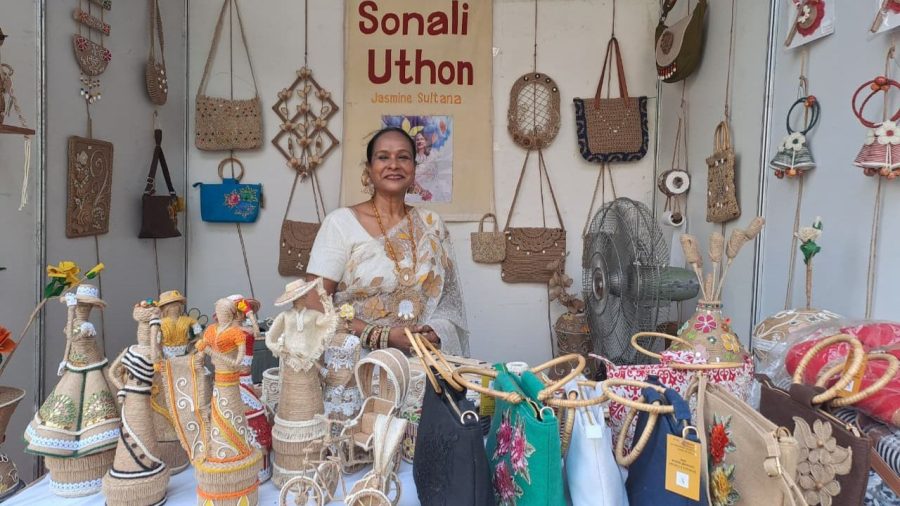
Jasmine Sultana, chief executive of Sonali Uthon, makes about 75 jute products including sarees, bags, jewellery, jewellery boxes, flowers, vases, wall decor and laptop bags. Bags are in highest demand, followed by jewellery, handicrafts, clay products and jewellery boxes.




Though she does not export directly, her products reach London and the United States through travelling buyers. Her main problem is good-quality raw material.
Local raw material is available, but export-grade yarn and fabric are not always available. She sometimes collects unused or surplus export raw materials through factories or contacts.
Shilpee Rashed of Azolla Craft has worked with jute products for about two years, making bags, custom products, corporate items and products women can make at home. She said large orders come from foreign buyers, but many small entrepreneurs lack the production capacity to fulfil them.
Another problem is the quantity of raw material. Small and medium entrepreneurs need small amounts, but large suppliers or factories often refuse to sell below a minimum quantity.
She also cited space constraints, saying landlords in Dhaka often do not allow businesses in rented homes, while power supply outside Dhaka disrupts production. She said increasing access to small-quantity raw material would boost both production and market participation.
Tanvir Islam Saad, founder and CEO of Nirbaan, has been making jute bags, shopping bags and tote bags for about six years. Demand is highest for tote bags. The company sends jute and shopping bags abroad and mainly works in the business-to-business market. However, building contacts with foreign buyers and managing transport and supply are major challenges.
In the domestic market, jute products cost more than cotton products, making price negotiations difficult. Nirbaan is also making new products including jute frames and diaries.
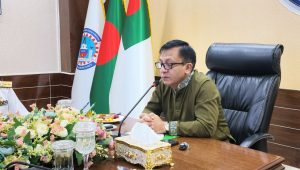
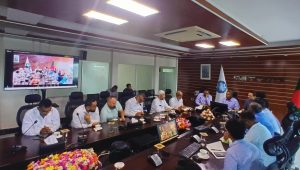
At the fair, Textiles and Jute Minister Khandaker Abdul Muktadir said the government is working to maximise value addition from jute produced in the country to increase foreign exchange and revenue earnings.
The government aims to advance promising sectors including jute, silk and handloom alongside ready-made garments. He said processing raw jute into slivers, packaging, blended fibre and other value-added products can multiply its value.
Last year, at peak, one tonne of raw jute cost about Tk1.5 lakh or about $1,200. The same jute converted into packaging products could fetch $2,400 to $2,500, and into blended fibre or more value-added products, $4,000 to $5,000, he said.
State Minister for Textiles and Jute Md Shariful Alam said the government aims to promote local products, increase use of eco-friendly products, discourage polythene and raise awareness of diversified jute, silk and handloom products.
A permanent sales and display centre, JDPC Express, has been launched. Plans include setting up similar sales centres at important locations, international airports and Bangladesh missions abroad.