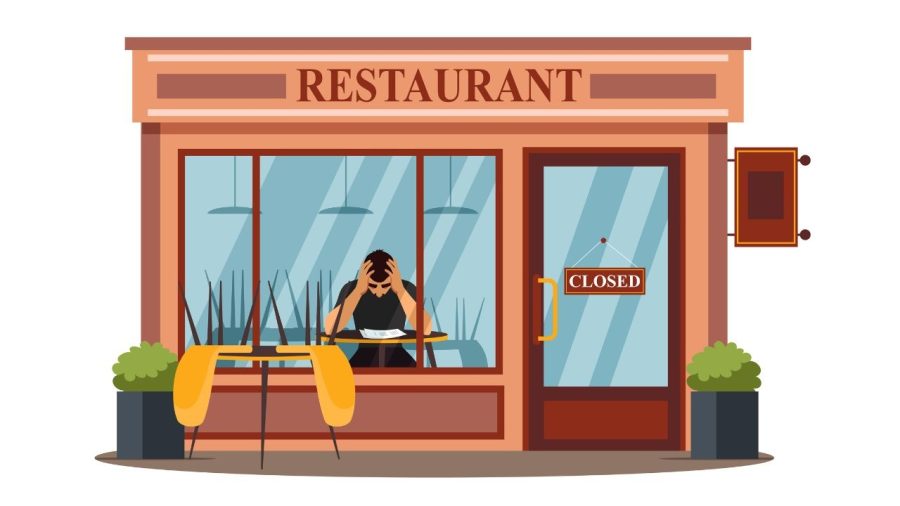



Restaurant business in Chattogram is facing one of its toughest periods in years, with rising raw materials and operating costs coinciding with a sharp decline in consumer spending. In addition, the owners also expressed concern that excessive fines and closures could push many businesses towards collapse.
Restaurants that once remained crowded during the evening are now struggling with empty tables, fewer orders and declining sales. While revenues have fallen, major fixed costs, including rent, salaries, electricity, gas, LPG and other operating expenses, have continued to rise or remain unchanged. These are putting increasing pressure on business owners.
Restaurant owners say the squeeze has become a dilemma- raising food prices could drive customers away, while keeping prices unchanged is steadily eroding their profit margins.
According to Bangladesh Restaurant Owners Association, sales across the restaurant sector have declined by around 30 to 40 per cent.
Ashraful Ahasan Rakib, proprietor of Chattogram-based Kutumbari Restora, confirmed TIMES of Bangladesh that restaurant sales have fallen by 30 to 40 per cent over the past year, while net profit margins have declined by nearly 60 per cent.

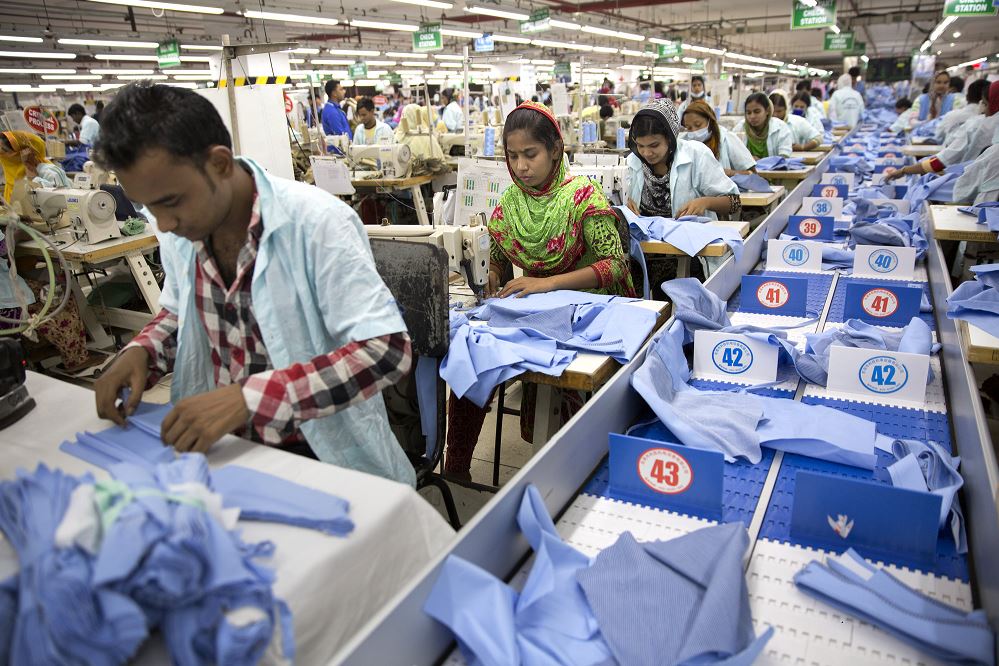
Kutumbari currently operates four outlets at major locations in Chattogram, including Alangkar, Chawkbazar and Wasa Moar, employing around 400 people. Rakib said maintaining such a large workforce and other operating expenses has become increasingly difficult with current revenues.
He said the prices of key ingredients have risen sharply. A 50kg sack of Chinigura rice, which previously cost around Tk5,500, now sells for Tk9,000 to Tk9,500. The price of a 50kg sack of flour has also increased from Tk1,700 to Tk1,800.



Cooking oil, milk and other essential ingredients have also become more expensive, while electricity and other utility bills have added significantly to operating costs.
“Costs are increasing on every front, but it is not possible to increase food prices at the same rate,” Rakib said.
Restaurant owners say the decline in household purchasing power has further aggravated the situation. As living expenses rise, many consumers are cutting back on eating out and reducing purchases of prepared food, directly affecting restaurant sales.
Ilias Ahmed Bhuiyan, president of the Hotel and Restaurant Owners’ Welfare Association in Chattogram, said the sector was already under severe pressure and that frequent mobile court drives and fines were adding to the difficulties faced by restaurant operators.
He alleged that policymakers and bureaucrats often fail to understand the realities of running restaurants and that excessive fines and closures could push many businesses towards collapse.
At the same time, Bhuiyan welcomed recent initiatives by the district administration to engage with restaurant owners through awareness campaigns and rallies rather than relying solely on punitive measures.
Monjrul Hoque, owner of Barcode Restaurant Group, said restaurant owners were going through a “severe crisis” as they could not adjust menu prices in line with the rising cost of ingredients.
“As the cost of raw materials continues to rise, we cannot increase food prices proportionately. As a result, both sales and profits are falling,” he told TIMES.
Monjrul Hoque said controlling the prices of essential raw materials and rationalising utility costs were now crucial to keeping the restaurant sector afloat.
Restaurant owners said they had never experienced a crisis of this magnitude despite years of operating in the sector. If the situation continues, they fear more restaurants could be forced to shut down, putting thousands of jobs at risk.