
The government is moving to break the state’s monopoly on electricity distribution by opening the sector to private operators, a major policy shift aimed at improving efficiency, tightening bill collection, and bolstering accountability.
Ministers are also considering permitting private firms to import petroleum products, a move that would curtail the state’s exclusive grip on the fuel market and foster wider commercial competition.
Power, Energy and Mineral Resources Minister Iqbal Hasan Mahmud announced the sweeping reforms at a conference titled Energy Security and Transformation of Bangladesh in the capital on Wednesday.
He revealed that proposals have already been invited from private entrepreneurs to run distribution companies, with the initiative securing the explicit backing of the prime minister.
“The government can generate electricity and sell it at wholesale, but distribution to consumers should be handled by the private sector,” the minister said.

Pointing to regional precedents, Mahmud noted that private firms already manage distribution in major Indian cities including Kolkata, Mumbai, and Delhi, arguing that Bangladeshi entrepreneurs are equally equipped to take on the role.
He urged local businesses to step forward with proposals, promising they would be given serious consideration. Private sector entry, he argued, would boost revenue collection and relieve strain on public finances.
“The government cannot run retail businesses. If private entrepreneurs step in, bill collection will become far more effective,” he said.




On energy imports, the minister indicated that the state’s traditional stranglehold could soon be eased further.
“There is no obligation for the government to remain the sole importer of petroleum products,” Mahmud added. “Opening this to the private sector will build a large, competitive market and reduce the burden on the state.”
Growing energy reliance sparks vulnerability
The proposed market overhaul comes as Bangladesh grapples with deepening energy security risks driven by an acute reliance on imported fuel.
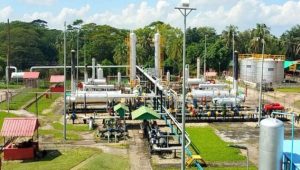
Highlighting structural flaws in past planning, Mahmud pointed out that not a single gas well was drilled in the country over the last 17 years, even as national power generation capacity expanded to nearly 28,000 megawatts. That rapid expansion without securing domestic fuel sources has left the energy grid exposed.
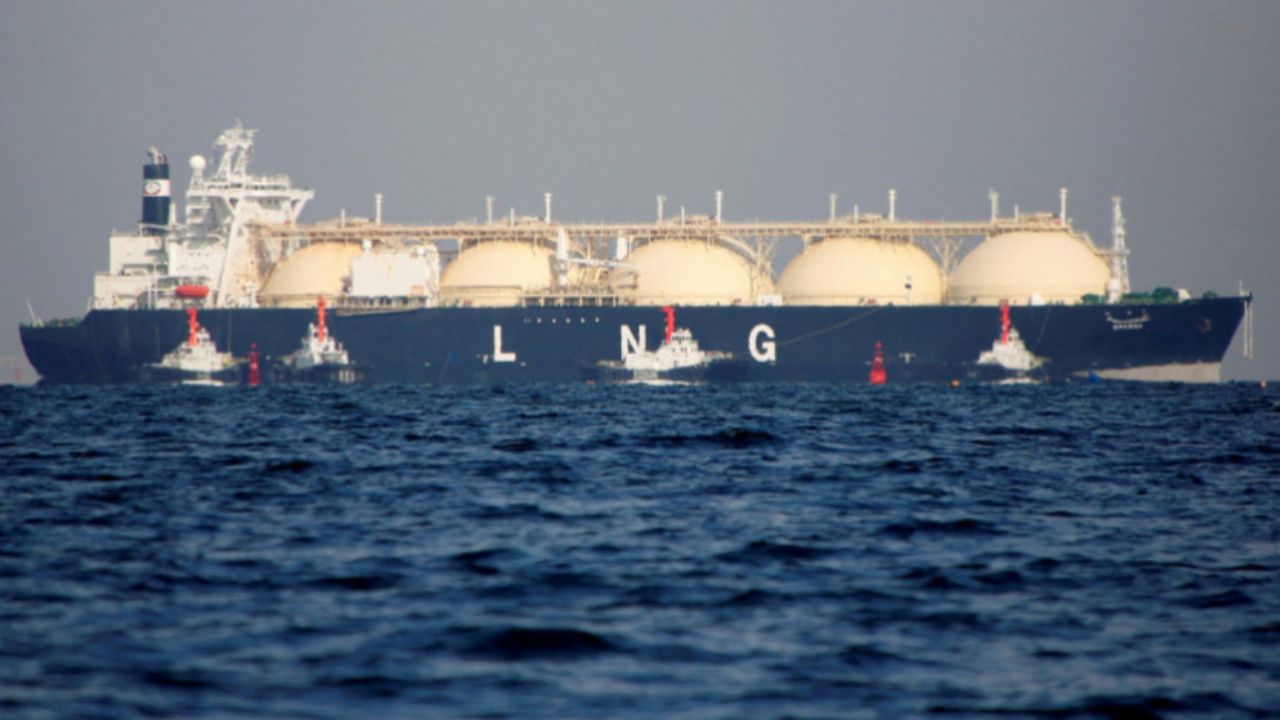
The minister warned that Bangladesh currently relies on just two floating LNG terminals to process gas imports, creating a single point of failure. A recent technical hitch at one terminal triggered sudden pressure drops across several regions, disrupting residential supply, crippling CNG stations, and hitting industrial operations.
Lack of guaranteed gas supply has also left three major gas-fired power plants in the Khulna region completely idle.
Ambitious solar drive to harness private capital
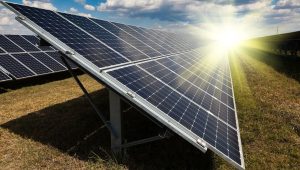
To diversify the energy mix, Mahmud outlined plans to aggressively scale up renewables, setting a target of 10,000 megawatts in solar capacity during the government’s current tenure.
Central to the strategy are cluster-based rooftop solar schemes funded by private investors under a net-metering model, allowing developers to recoup capital directly from consumers.
To drive adoption, the government is considering carrot-and-stick tax measures. Householders installing rooftop solar could receive municipal tax rebates, while those resisting the transition may face financial penalties through additional levies.
For utility-scale solar projects, Mahmud confirmed that land has already been identified, with tenders expected to be launched by August or September.