
A new well at the Titas gas field in Brahmanbaria begun commercial production, adding about 12.5 million cubic feet per day (mmcfd) to the national grid amid declining domestic output and continued reliance on imported LNG.
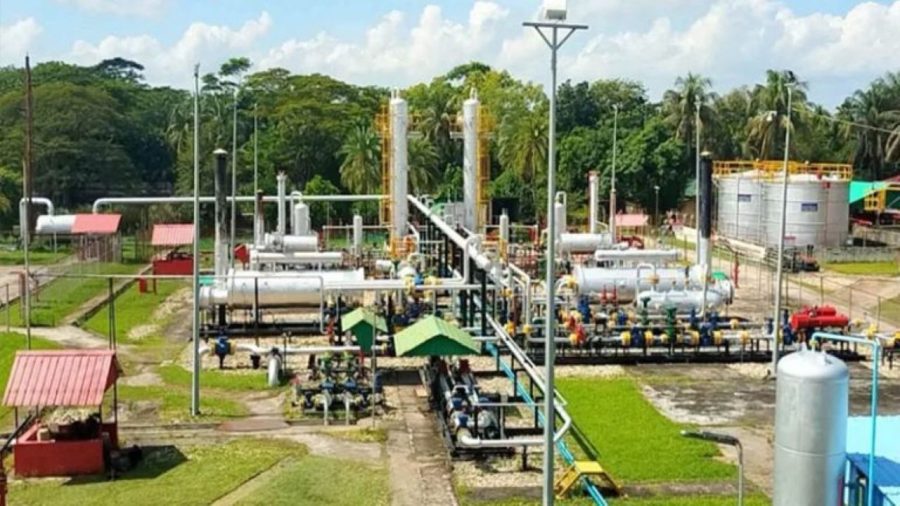
State-owned Bangladesh Gas Fields Company Ltd (BGFCL) brought Titas-28 into production on Saturday after State Minister for Power, Energy and Mineral Resources Anindya Islam Amit formally inaugurated the well.
The 3,601-metre well is expected to produce 12-13 mmcfd and cost about Tk200 crore, including VAT and income tax. China’s CNPC Chuanqing Drilling Engineering Company drilled it under a contract signed in April 2025 for the “Drilling of four appraisal-cum-development wells in Titas and Kamta fields” project.
Drilling began on 15 December 2025 and was completed on 27 May 2026. Gas was supplied to the national grid on a trial basis for about two months before commercial production began.
The new supply comes against a daily gas deficit of about 1,152 mmcfd. Total supply stood at 2,648 mmcfd on 18 September against demand of about 3,800 mmcfd.
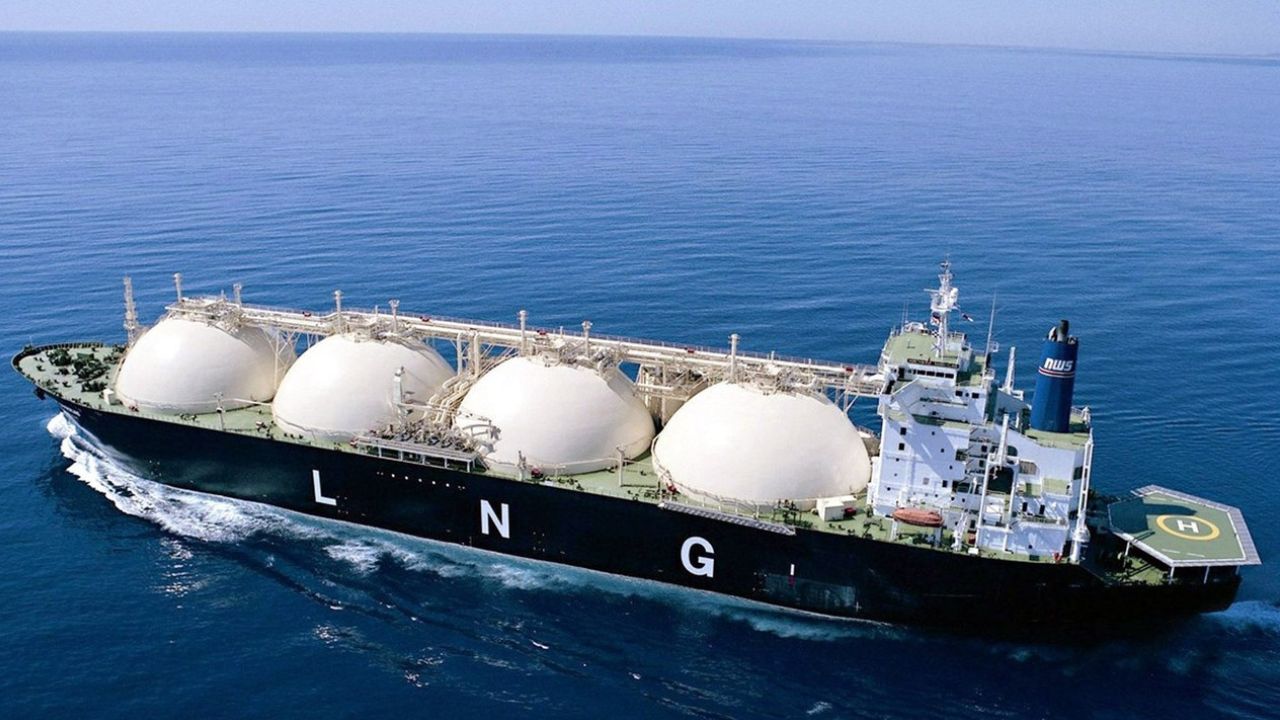
Domestic fields supplied 1,624 mmcfd, or 61.3 per cent, while regasified imported LNG supplied 1,024 mmcfd, or 38.7 per cent.

Titas-28’s output therefore covers about 1 per cent of the current shortfall.
BGFCL is developing Titas-29, Titas-30 and Titas-31, with Titas-29 completed and Titas-31 under drilling.
Titas-30 will be drilled with the same rig after Titas-31 is completed. The three Titas wells are expected to add 40-45 mmcfd within six months, while four additional wells, including Bakhrabad-11, are expected to contribute about 55 mmcfd.




The government plans to drill 150 wells by 2030 to narrow the supply-demand gap, with 27 currently under drilling, Anindya Islam Amit said.
Under BGFCL’s plans, six new wells and workovers of eight existing wells are expected to add about 106.5 mmcfd by 2030, while a longer-term plan targets about 235 mmcfd from 19 wells by 2035.
BGFCL is conducting 3-D seismic surveys over 1,450 square kilometres covering the Habiganj field and adjoining areas, Bakhrabad, Narsingdi and Meghna fields, and two- and three-dimensional surveys over another 632 square kilometres north-west of Titas and north-east of Narsingdi.
Titas-31, being drilled in Nandanpur of Brahmanbaria Sadar, is designed to reach 5,600 metres, making it the country’s first and deepest exploration gas well. Drilling has reached 4,637 metres.
Titas had previously been drilled to about 3,700 metres for gas extraction, while a BGFCL survey suggests the area could contain up to 2 trillion cubic feet of gas.
Mahmudul Nawab, project director of BGFCL’s deep exploration well project, told TIMES that Titas-31 could take another three to four months to complete if there are no technical complications.
BGFCL Managing Director Md Abdul Jalil Pramanik said increased domestic production could reduce pressure from imported LNG.
Titas currently has 23 producing wells supplying about 325-330 mmcfd to the national grid. Production from older wells has declined as reservoir pressure and gas reserves have fallen.
On top of the continued gas crisis, a 55-day LNG disruption until last week had left the country in acute energy shortage.
It had hurt electricity generation, factory operations and exports as knitwear manufacturers found over half of the factories failing in timely shipments.
Anindya Islam Amit said the government was expanding exploration and energy infrastructure and strengthening domestic capacity to reduce import dependence.
Khaled Hossain Mahbub Shyamol, chairman of the Parliamentary Standing Committee on the Ministry of Commerce, and Md Ziaul Haque, secretary of the Energy and Mineral Resources Division, Ministry of Power, Energy and Mineral Resources, were also present at the inauguration.
BGFCL, starting production in 1968, now contributes to about 30 per cent of domestic gas production and 18 per cent of total supply.