
Bangladesh can reduce its reliance on imported fuels and shield its economy from global energy price shocks by expanding the use of electricity in transport, industries and agriculture, but a stronger power grid will be essential for the transition, according to the International Energy Agency (IEA).
In its Special Report on Electrification, the IEA said developing economies heavily dependent on imported fuels could gain significantly by replacing direct use of oil and other fossil fuels with electricity, particularly when the additional power comes from domestic and low-emission sources.
The report did not estimate Bangladesh’s potential savings, but said emerging and developing economies outside China could collectively reduce annual fuel import bills by more than $100 billion by 2035 under the IEA’s High Electrification Scenario. This would equal more than a quarter of their fuel import bills in 2025.
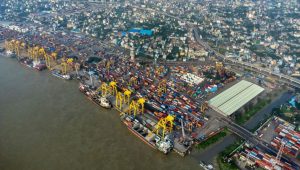
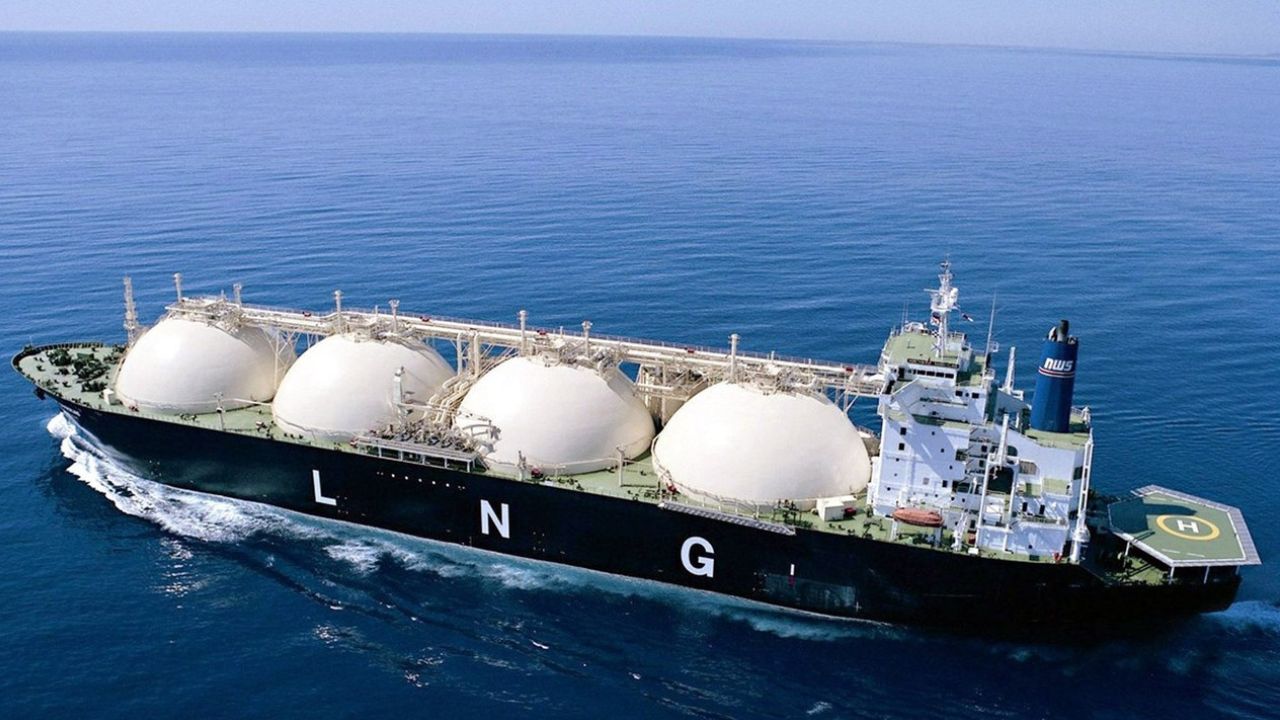
The findings are relevant for Bangladesh, which imports petroleum products, liquefied natural gas (LNG) and coal, leaving the economy exposed to global fuel price volatility and supply disruptions.
The IEA identified transport, textiles, food processing and agriculture as sectors with major electrification potential.

Transport could provide one of the quickest gains through wider adoption of electric motorcycles and three-wheelers. The agency said densely populated cities and shorter daily travel distances in developing economies make such vehicles particularly suitable.
Although electric vehicles often require higher upfront costs, the IEA said lower operating expenses can recover the additional investment within three to six years in many cases.
Globally, faster electrification could avoid 18 million barrels per day of oil demand by 2035 under the high electrification scenario, with about 80 per cent of the reduction coming from fuel-importing regions.




Bangladesh’s textile and food-processing industries could also benefit by replacing fossil fuel-based processes with electric technologies. Unlike heavy industries such as steel and cement, these sectors often require lower-temperature heat for hot water, steam and drying, which can be electrified through technologies such as electric boilers and industrial heat pumps.
The IEA estimates around 40 per cent of global energy use for low- and medium-temperature industrial applications could already be electrified cost-effectively.
For Bangladesh’s export-oriented garment sector, the transition could also help meet rising global demand for lower-emission supply chains.
Agriculture offers another opportunity, particularly through solar-powered irrigation pumps that can replace diesel-powered systems. Electricity can also support cold storage and refrigeration facilities to improve agricultural supply chains.
However, the IEA warned that unreliable or expensive electricity remains a major barrier to electrification in developing economies. Businesses may continue relying on diesel or gas-powered equipment if they cannot access dependable electricity.
Bangladesh would therefore need greater investment in electricity generation, transmission and distribution networks, battery storage, modern grid systems and demand management.
The IEA estimates global grid expansion and modernisation will need to accelerate by around 40 per cent through 2035 compared with the previous decade to support rapid electrification.
The agency also cautioned that simply increasing electricity consumption would not automatically reduce energy import dependence. The source of electricity generation will determine the actual benefits.
For Bangladesh, replacing imported petrol, diesel or industrial gas with electricity generated from additional imported LNG or oil could only shift dependence from one imported fuel to another.
The greater opportunity would come from expanding electrification alongside domestic and renewable power generation, the IEA said.
Electricity currently accounts for around 23 per cent of global final energy consumption. The IEA said existing technologies could cost-effectively increase this share to around 33 per cent, bringing a proposed global target of 35 per cent by 2035 within reach.
However, the agency said that the pace of electrification will vary by country depending on economic conditions, energy prices, infrastructure capacity and access to finance.