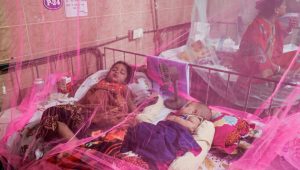
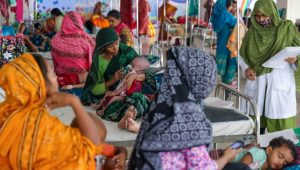
In an urgent appeal to the international community, Global Center for Democratic Governance (GCDG) has called on the World Health Organization (WHO) to address an ongoing measles outbreak in Bangladesh that has affected tens of thousands of children and resulted in a mounting death toll.
In a formal letter on Thursday, addressed to WHO Director-General Dr. Tedros Adhanom Ghebreyesus, the Global Center for Democratic Governance (GCDG) raised profound concerns over the resilience of the nation’s immunization system and the adequacy of early response efforts by public health authorities.
The letter, signed by GCDG President Md Habibe Millat, warns that continued transmission of the preventable disease is likely unless immediate, high-quality vaccination efforts are deployed to close widening immunity gaps.
According to the letter, a massive accumulation of susceptible children has left the population highly vulnerable. The document cites specific WHO assessments indicating that the vast majority of infected individuals are young children who either missed routine vaccinations entirely or received only a single dose of a measles-containing vaccine.

Epidemiological data highlighted in the appeal reveals that children under the age of five account for 79 percent of all reported measles cases. Within that cohort, children under two years old make up 66 per cent of the total, while infants under nine months old – who are too young to receive routine vaccinations and rely entirely on herd immunity for protection – account for 33 per cent of the reported cases.
The GCDG attributes the scale of the crisis to several interlocking failures in health administration, vaccine procurement, and frontline delivery over the past two years. First, routine immunisation and local surveillance were severely undermined by a reported seven-month strike involving community health workers, who are vital for executing local outreach and identifying unvaccinated children.
Additionally, the country suffered nationwide stock-outs of the measles-rubella vaccine during 2024–2025, which severely disrupted routine immunization services.
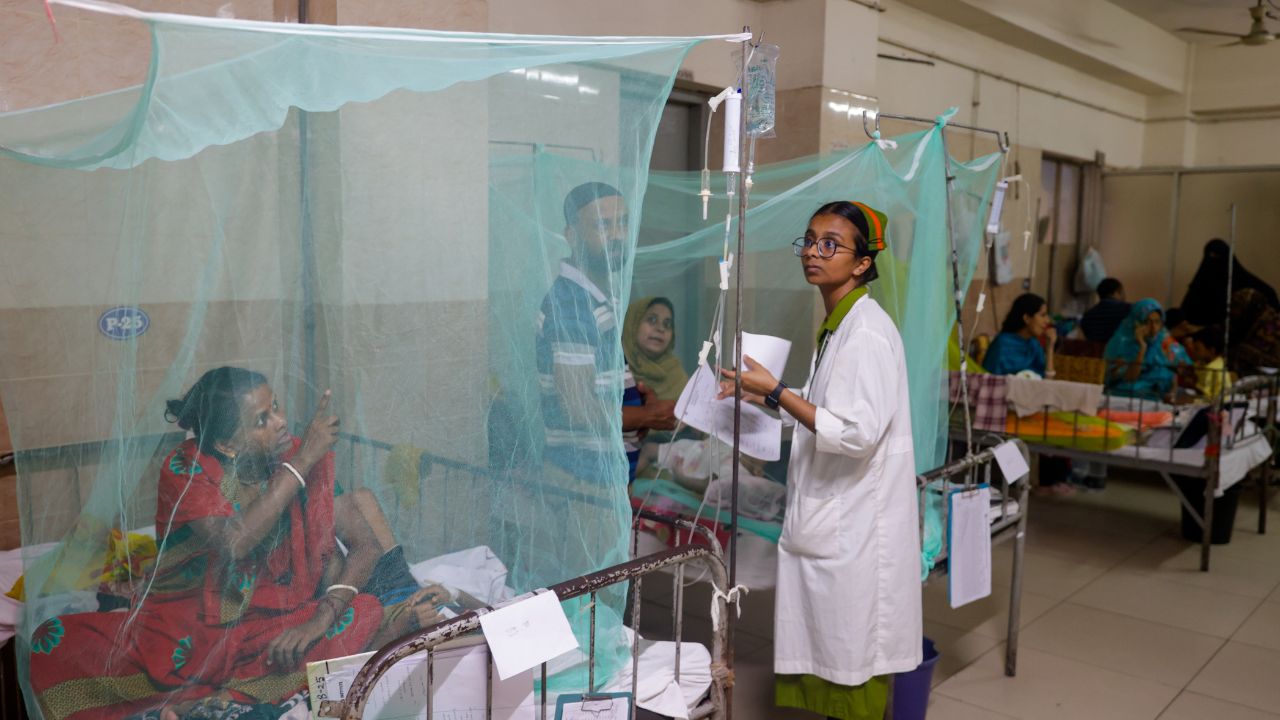
The letter asserts that despite repeated written and verbal warnings from UNICEF regarding growing immunity gaps and the risk of an outbreak, measles prevention was not prioritized by the country’s interim administration.
The GCDG also alleges that authorities departed from established vaccine procurement mechanisms in favour of alternative approaches, sidelined experienced immunization professionals, and delayed a nationwide supplementary immunization campaign originally scheduled for 2024.
Consequently, the burden of the resulting outbreak has fallen disproportionately on vulnerable populations, specifically those living in urban informal settlements and hard-to-reach geographic areas.
Stating that every child has the right to protection from vaccine-preventable diseases, the GCDG has formally requested international public health institutions, child rights bodies, and development partners to intervene.
The organisation called for a collaborative action plan that begins with conducting an independent and transparent investigation into the factors leading to the outbreak and evaluating the effectiveness of the initial response.
Furthermore, they urged partners to assist Bangladesh in restoring robust routine immunisation services, strengthening its vaccine supply chains, and mobilizing resources to identify and vaccinate missed children in high-risk, underserved communities.
The group promotes greater transparency and evidence-based decision-making in the country’s public health administration, alongside securing immediate global support to halt further loss of life and build long-term system resilience.
While the World Health Organization has yet to issue a public response to the letter, Millat concluded the appeal by stating that the citizens of Bangladesh deserve a thorough understanding of what happened, accountability where appropriate, and a strengthened health system capable of preventing similar tragedies in the future.