
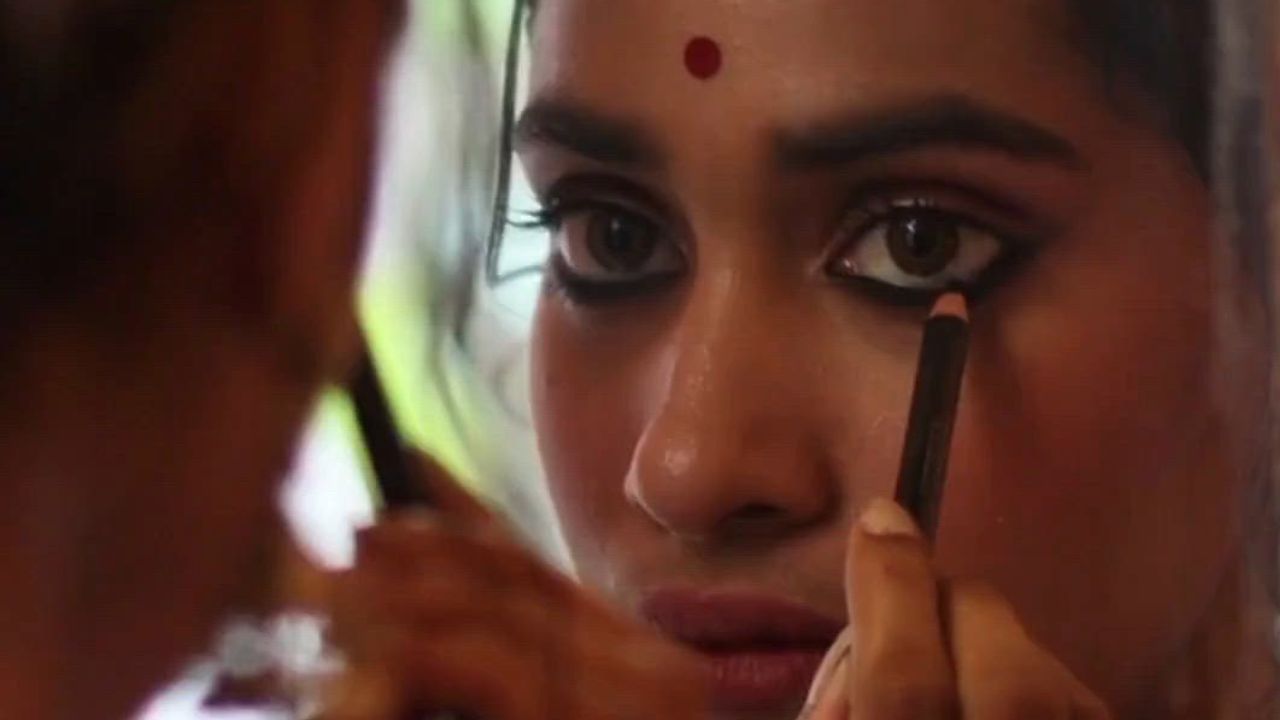

Every few weeks, the beauty world unveils a new eye look. One day it is a sharp wing, the next a smoky liner, followed by another TikTok technique that requires multiple products and a steady hand.
Yet amid the constant stream of new beauty trends, one familiar product continues to hold its place in Bangladeshi women’s makeup bags, kajal.
It has survived the rise of liquid eyeliner, gel liners, mascaras, colourful pencils and viral beauty trends. More importantly, it has moved from the dressing tables of mothers and grandmothers to the vanity bags of Gen Z.
So, why has kajal survived while so many other traditional beauty practices have faded? The answer may lie in its simplicity, versatility and emotional connection across generations.
A beauty routine that takes seconds
Unlike liquid liner, which often requires precision, kajal is relatively easy to apply. A single stroke can define the eyes, while a quick smudge can create a softer, smoky effect.
For many women, that simplicity makes it ideal for everyday use.

Prioti, a university student, shares, “I don’t wear a lot of makeup every day, but kajal makes me look more put together. I can apply it in less than a minute.”

That ease has also helped kajal adapt to changing beauty preferences. It can be worn heavily or lightly, along the lash line or smudged for a softer look.
It works just as easily with traditional clothing as it does with jeans and a T-shirt whether it is for occasional outing or everyday look.
Same kajal, different generations
Kajal’s strongest connection may be its ability to bridge generations. For many Bangladeshi women, memories of kajal begin with watching their mothers or grandmothers get ready.
“Kajal never feels like something I am too old or too young to wear,” said Tahmina, 45, a housewife. “It is simple, familiar and doesn’t make me feel like people are judging me for wearing makeup.”
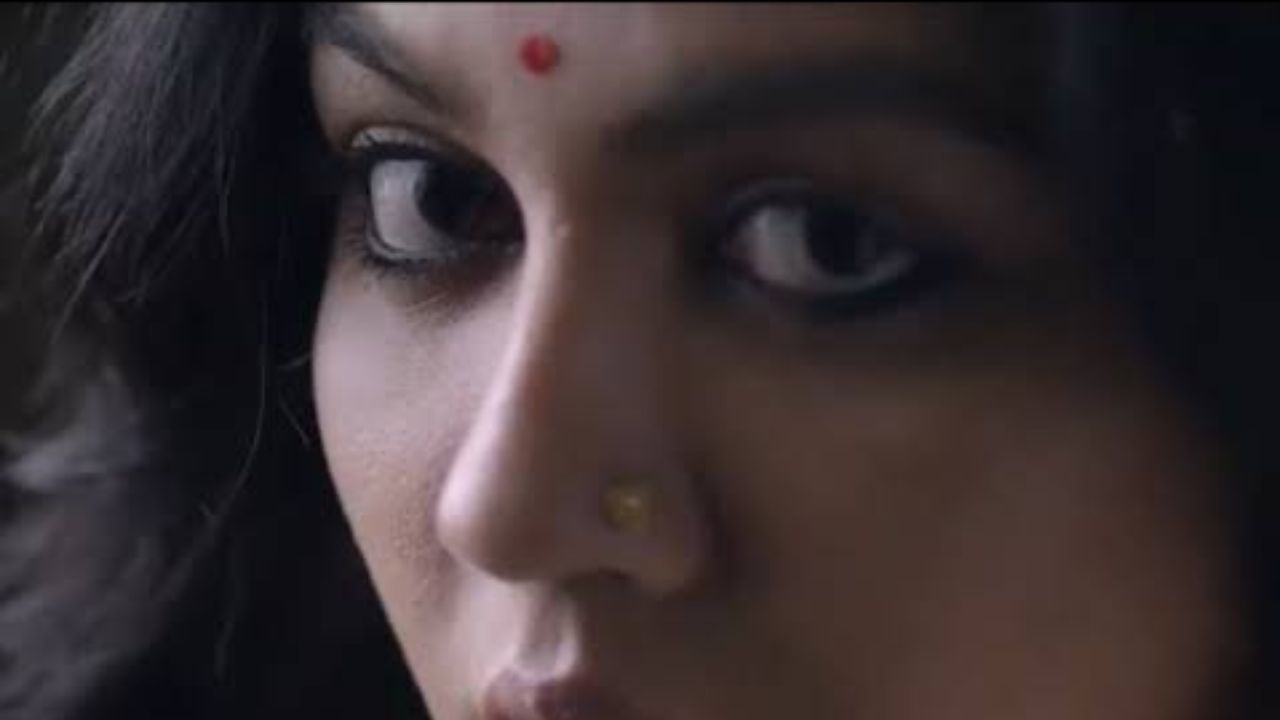
Her daughter Heea may use the same product differently.




For today’s younger women, kajal does not necessarily represent an old-fashioned beauty habit. It can be part of a minimalist makeup look or combined with mascara and other contemporary styles.
That means the product has remained familiar while the way it is worn has changed.
Kajal doesn’t have to compete with trends
Social media has made beauty trends move faster than ever. A look can become popular within days and disappear just as quickly.
Kajal, however, does not need to compete with those trends. It can adapt to them.
A traditional black kajal can create a bold eye, be smudged into a smoky look or be used alongside modern eye-makeup techniques.
Makeup artist and entrepreneur Tamanna Rahman Khan said, “Kajal is still popular because it is very versatile. You can use it traditionally, but you can also use it to create modern eye looks.”
The beauty industry has also adapted the product, offering waterproof, long-lasting and more richly pigmented formulas, while coloured versions have expanded kajal beyond the traditional black.
From Bollywood screens to social media feeds
“Who doesn’t love kohl-lined eyes? I use it for everything, whether it’s a simple line or a reverse eye makeup,” said celebrity makeup artist Namrata Soni, who loves the look on her clients like Sonam Kapoor Ahuja, Jacqueline Fernandez and Deepika Padukone.
“It has this particular creaminess that makes it easy to work with, and it makes the eyes look that much brighter,” she said.
Today, rather than rendering traditional practices obsolete, social media has sparked a massive global renaissance for kajal. Epic viral sensations like the Bollywood-inspired “Asoka Makeup Trend” have taken TikTok and Instagram by storm, garnering millions of views as creators worldwide lip-sync to the movie’s song “San Sanana” while applying intense kohl-rimmed eyes.
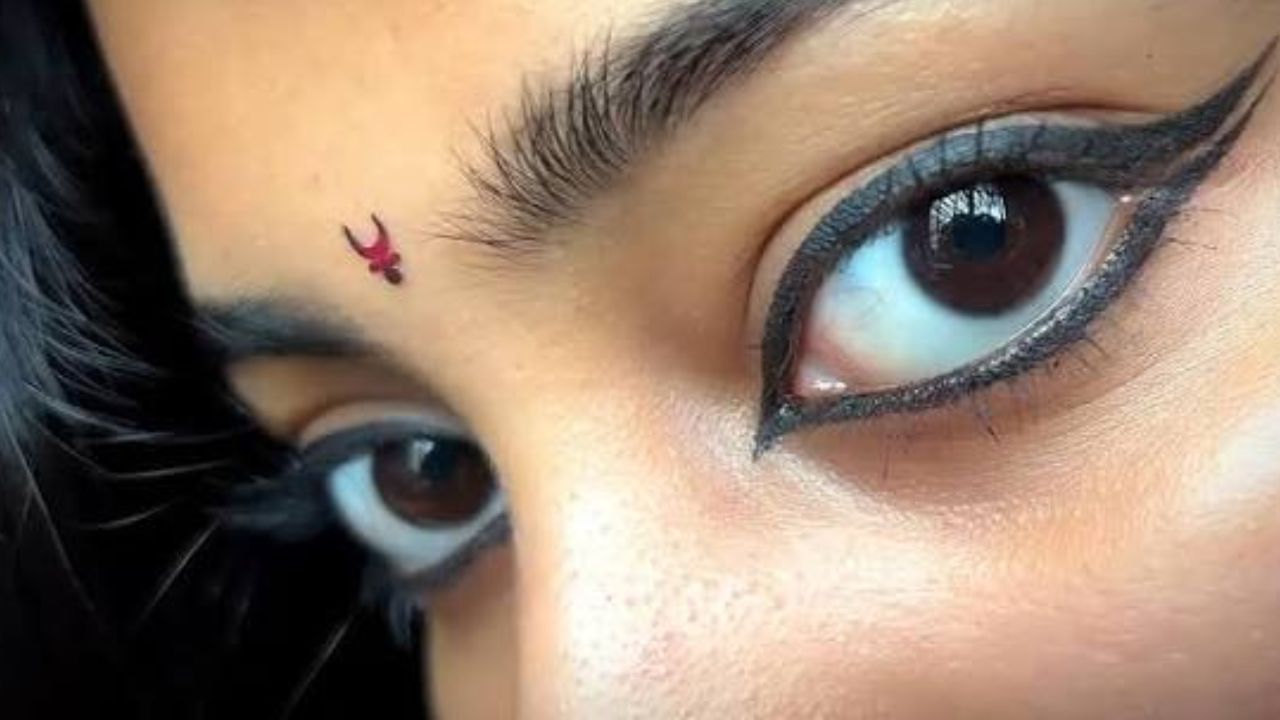
Bollywood has helped bring South Asian kajal aesthetics to a global beauty audience, but the tradition itself is far older and extends well beyond Indian cinema. Social media has given the traditional eye look another life among younger consumers.
Yet for Bangladeshi women, its appeal is perhaps more familiar and personal. kajal is not simply a trend imported from a screen or a social-media feed, but a beauty ritual many have seen across generations.
A recent academic review describes kajal, kohl and surma as longstanding eye cosmetics used across Asia, Africa and the Middle East, including in traditional dance.
More than just makeup
For many Bangladeshi women, however, kajal is about more than appearance. It can bring back memories of a mother sitting in front of a mirror, a grandmother preparing for an occasion or a daughter learning how to apply makeup by watching the women around her.
That emotional familiarity gives kajal something that many short-lived beauty trends lack.

A viral eyeliner technique may disappear when the next trend arrives. Kajal remains because it is both a cosmetic and a familiar beauty ritual. And perhaps that is its greatest advantage.
Kajal has never needed a comeback. It has simply adapted with every generation that wears it.
From a grandmother’s dressing table to a Gen Z vanity bag, the little black line continues to prove that not every beauty classic needs to follow the trend cycle.