
Following the crackdown on protesters across the country, as well as incidents of arson and vandalism at various establishments on 19 July 2024, the government imposed a nationwide curfew from midnight and deployed the army.
On 20 July, the first day of the curfew, the streets of Dhaka were largely deserted. Although a limited number of shops remained open, only a handful of vehicles were seen on the roads.
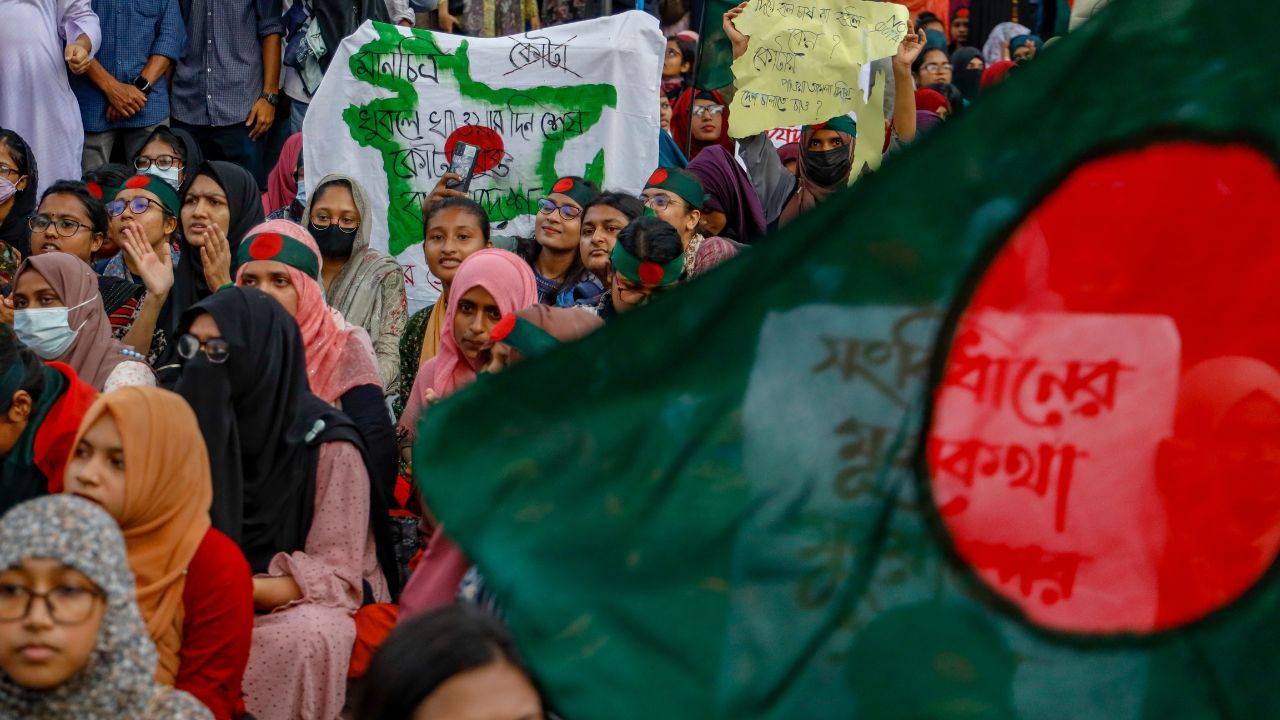
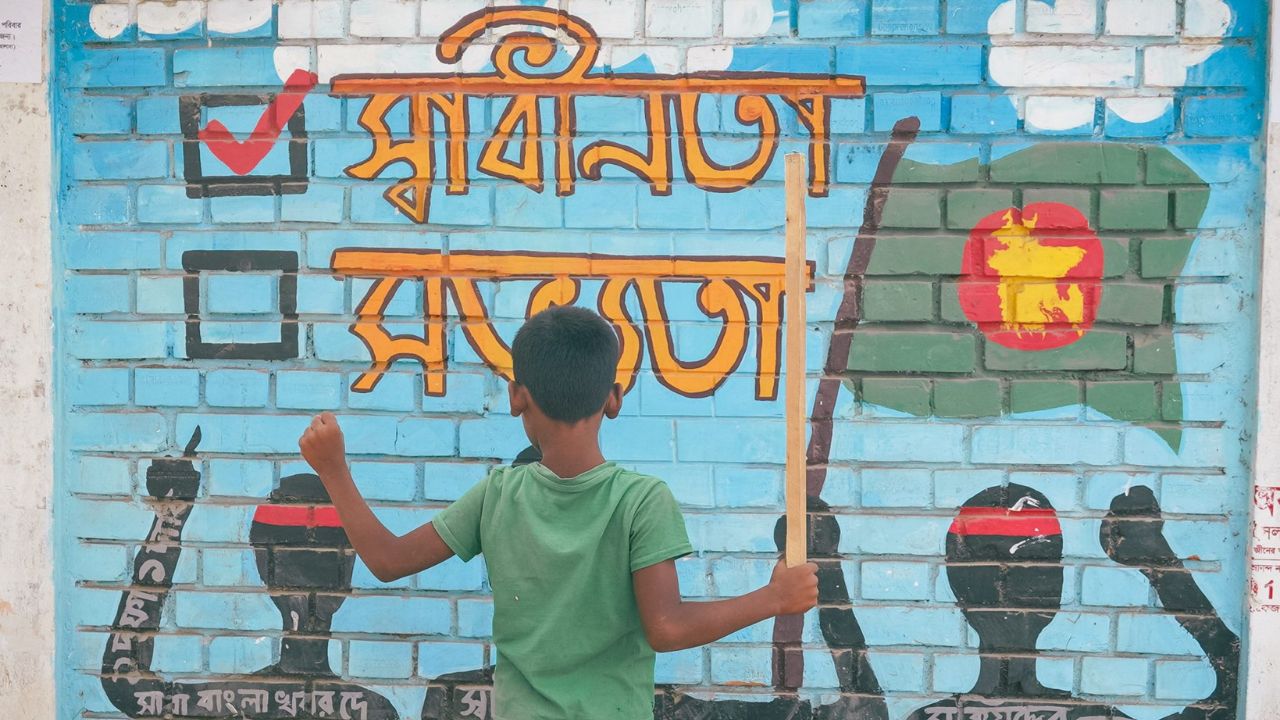
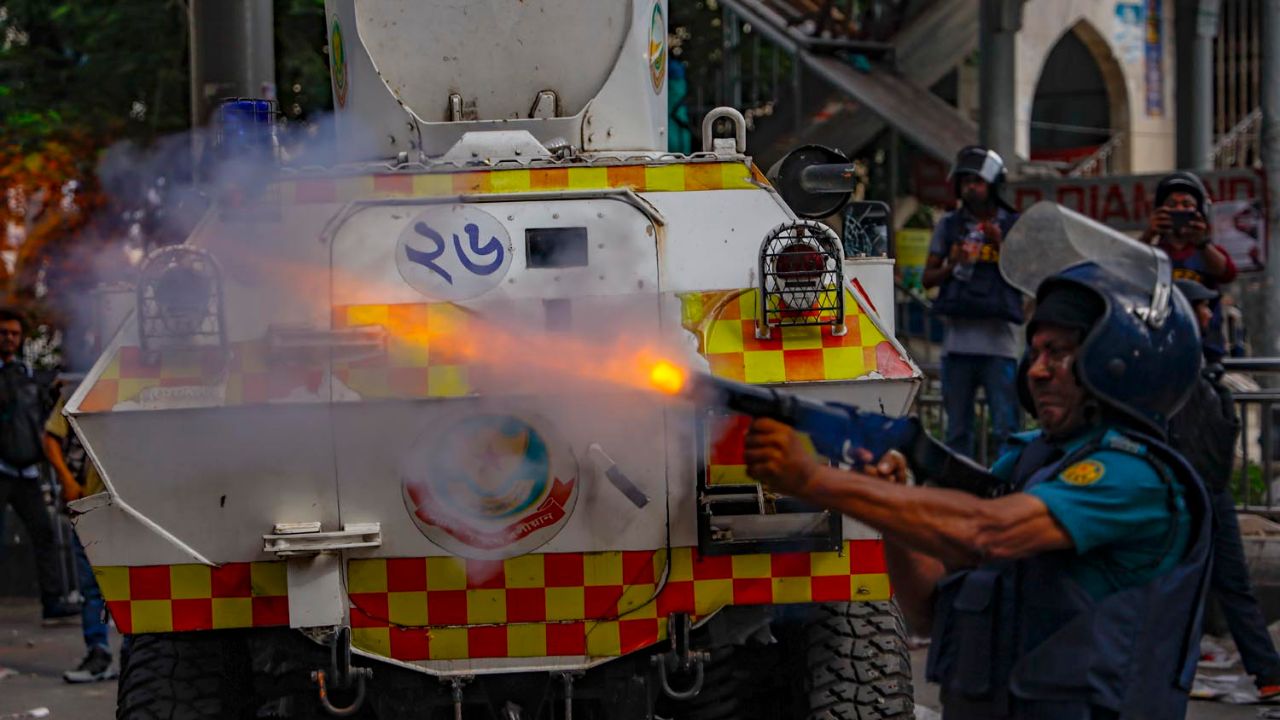
However, defying the curfew, protests continued in different parts of the capital, with clashes breaking out between demonstrators and law enforcement agencies at several locations.
From the morning, students staged demonstrations in Rampura, Banasree and Badda. In the Bhatara area, students from United International University (UIU), North South University and Independent University, Bangladesh (IUB) also joined the movement. At one stage, clashes erupted between the protesters and the police.
At the same time, chases and counter-chases were reported in several other parts of the capital, including Jatrabari, Uttara, Mirpur, New Market, Science Lab and Basila.
To enforce the curfew, army personnel intensified their presence and patrols on key roads across the capital. The army, Rapid Action Battalion (RAB) and police established checkpoints at important intersections, while RAB helicopters continued aerial patrols.

During this period, journalists were required to obtain curfew passes from Dhaka Metropolitan Police in order to carry out field reporting.
The government declared 21 and 22 July as public holidays. After the curfew remained in force from midnight until 12 noon, it was briefly relaxed for two hours before being reimposed from 2pm on 20 July until 3pm the following day.
At the same time, organisations representing garment factory owners announced that all factories across the country would remain closed from 21 July.
The curfew also affected operations at Hazrat Shahjalal International Airport, where flight cancellations caused significant inconvenience for passengers.

Meanwhile, the Awami League government claimed that the BNP, Jamaat-e-Islami and their supporters were exploiting what it described as the students’ legitimate movement as a cover to carry out acts of violence. Awami League General Secretary Obaidul Quader alleged that the BNP and Jamaat were attempting to hold the country hostage by taking advantage of the quota reform movement.
On the other hand, BNP Secretary General Mirza Fakhrul Islam Alamgir said the government would not be able to protect itself through repression.
The coordinators of the Anti-Discrimination Student Movement presented a different position. They said ordinary students had no involvement in acts of terrorism and that the movement would not accept responsibility if anyone used its banner to pursue political interests or carry out destructive activities.
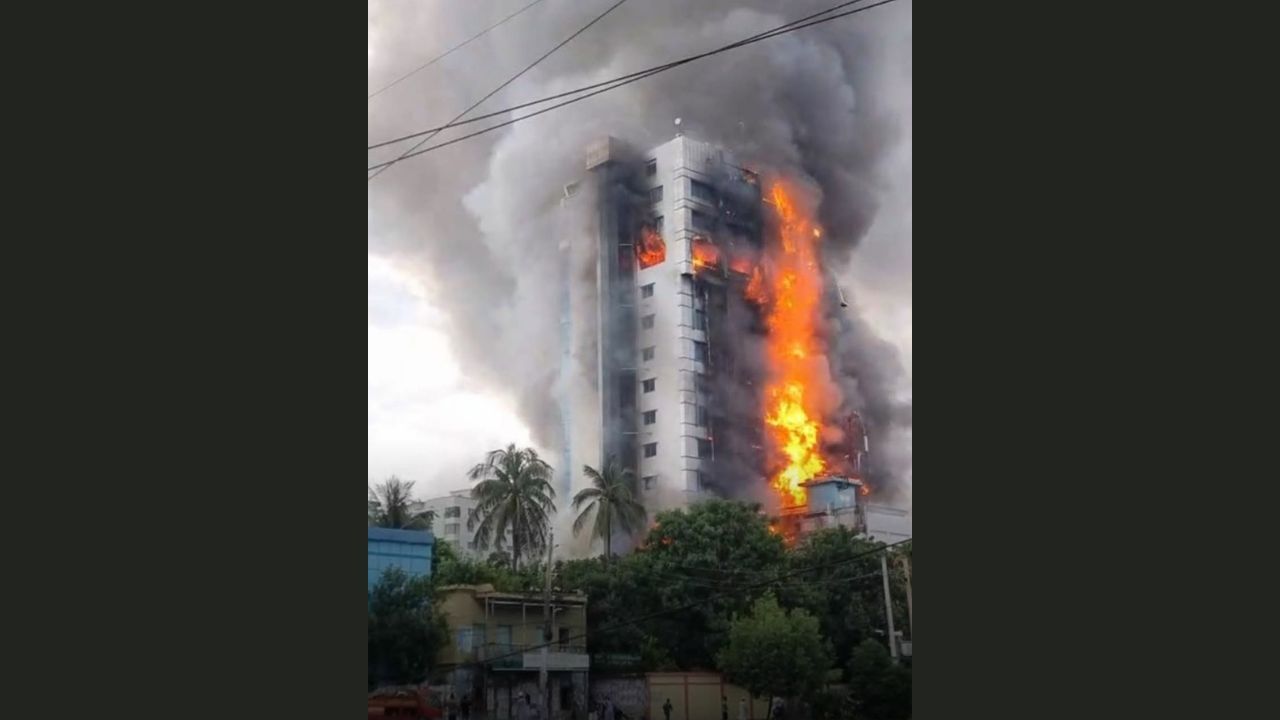
Amid clashes throughout the day, Mirpur’s Kazipara Metro Rail Station was set on fire. Following the incident, metro rail services, the Dhaka Elevated Expressway and the Mayor Mohammad Hanif Flyover were temporarily closed.
Elsewhere, more than 100 people, including members of the highway police, became trapped after the highway police outpost building in Siddhirganj was set ablaze. They were later rescued by the army, Border Guard Bangladesh (BGB), RAB and the police with the assistance of helicopters.
Another major development on 20 July was the alleged abduction of Nahid Islam, one of the key coordinators of the Anti-Discrimination Student Movement.
His mother claimed that between 50 and 60 individuals identifying themselves as Detective Branch (DB) of police officers took Nahid away from a house in Nandipara, Khilgaon, around 2:30am.
However, DB Additional Commissioner Mohammad Harun Or Rashid said the DB had not arrested anyone named Nahid.
Later, Sarjis Alam, Hasnat Abdullah and Hasib Al Islam went to the DB office in search of Nahid. Nahid’s father, Badrul Islam, alleged that they too were taken away by unidentified individuals while returning from DB office in front of the Criminal Investigation Department (CID) headquarters.
In the evening, then Law Minister Anisul Huq held a meeting with three coordinators of the Anti-Discrimination Student Movement at the state guest house Padma on Minto Road. After the meeting, he said the students’ demands were reasonable and could be resolved.
State Minister for Information and Broadcasting Mohammad Ali Arafat said the coordinators had presented an eight-point list of demands to the government. According to the government, the meeting concluded with an appeal for the withdrawal of the “Complete Shutdown” programme.
However, coordinator Abdul Kader said in a statement that the movement would continue until its previously announced nine-point demands were met.
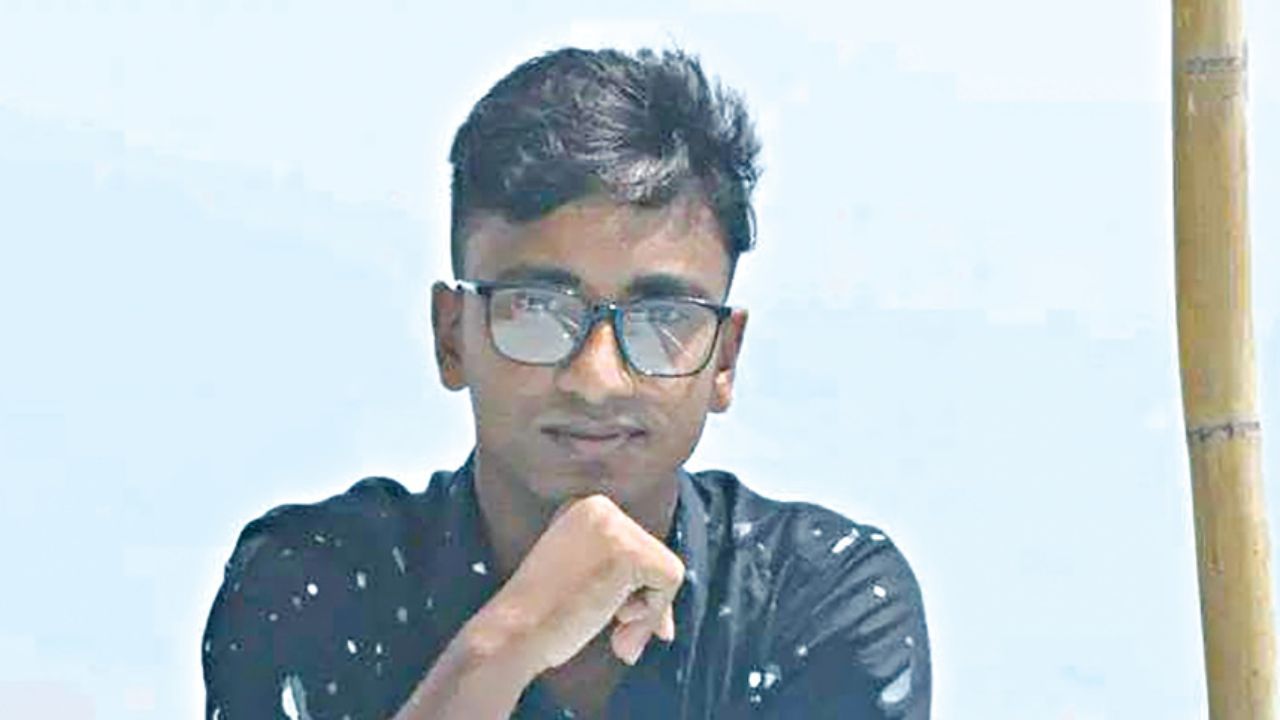
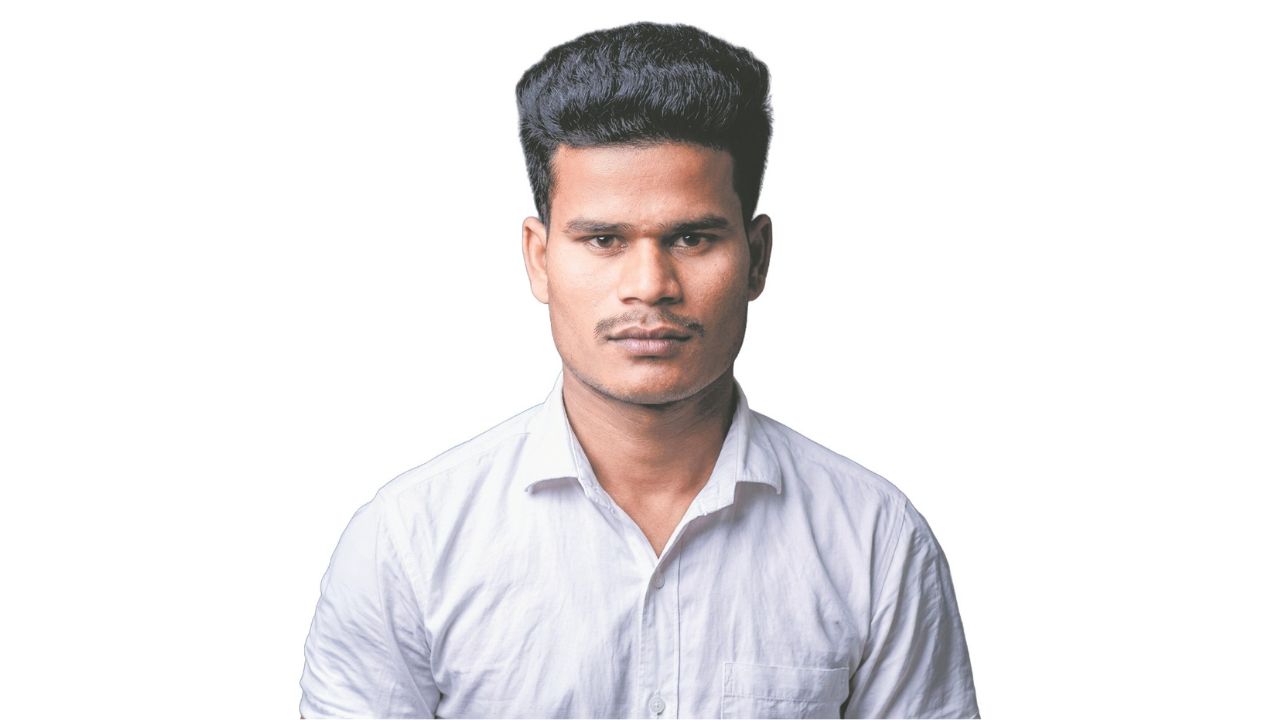
On the first day of the curfew alone, at least 26 people were killed in clashes in areas including Jatrabari, Uttara, Badda and Mirpur. The government announced that the curfew would remain in force until further notice.
At the same time, many leaders and activists of opposition political parties, including leaders of the quota reform movement, were detained. With army deployment, a nationwide curfew and continuing clashes, the country’s political crisis deepened further on 20 July.