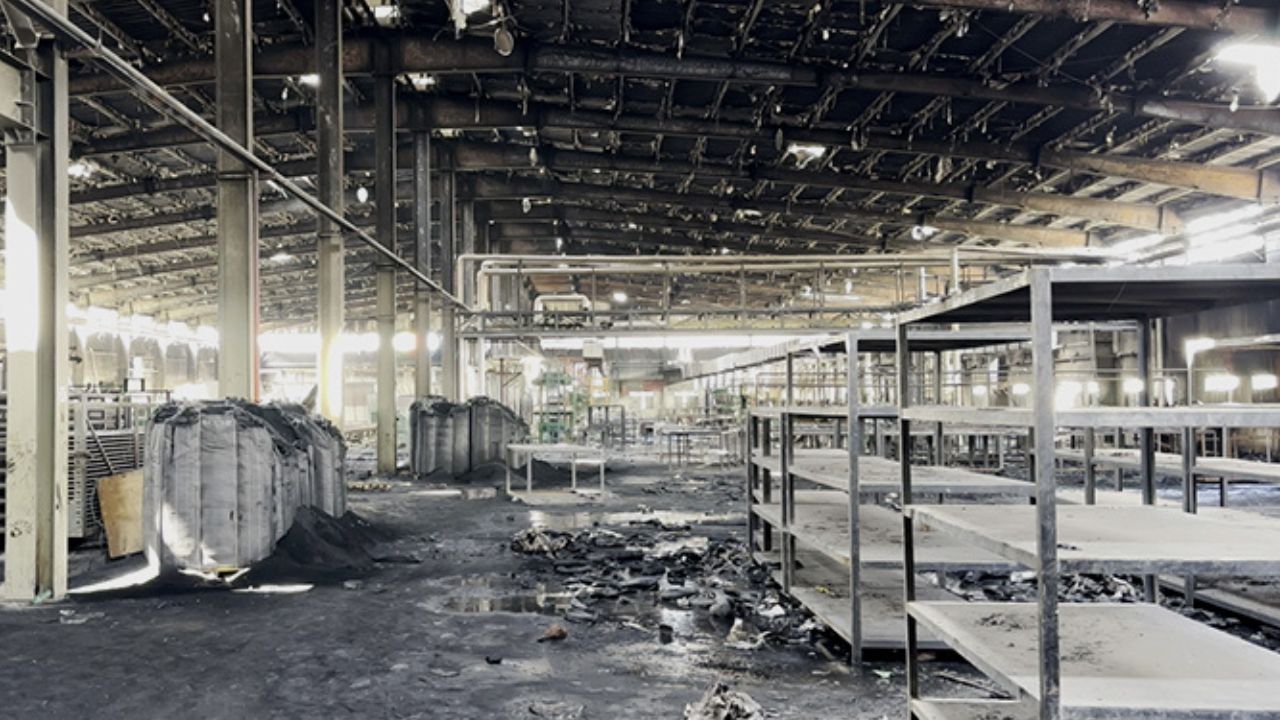
Someone lost a brother, someone a father, someone a son. They were killed, yet their families have no opportunity to seek justice. They cannot even voice that anguish openly.
Two years after the 2024 July uprising, the families of 44 slain police officers are living with anger, grief and despair, alongside financial hardship and uncertainty.
After the uprising, the interim government decided there would be no prosecution over these killings. The BNP government later turned that ordinance into law, granting legal immunity. But can people’s emotions be confined within the boundaries of legislation?
Rafi, son of slain Sub-Inspector Tahsenuzzaman, said, “It is deeply disappointing that there has been no progress towards justice even after innocent people were killed.”
Many of the officers were the sole breadwinners of their families, which are now struggling to pay for their children’s education and daily expenses.
The families allege that no one from the government has stood beside them on humanitarian grounds or maintained regular contact over the past two years.
Around two and a half months after assuming office, the interim government published a list of those killed. It included three inspectors, 11 sub-inspectors, seven assistant sub-inspectors, one assistant town sub-inspector, one naek and 21 constables.

Among them, 14 served with Dhaka Metropolitan Police, 15 at Sirajganj’s Enayetpur Police Station, two each at Noakhali’s Sonaimuri Police Station, Cumilla’s Titash Police Station and Dhaka district police, and one each at nine other police units.
Of those killed, 25 died inside or in front of police stations.
‘Only I know how I get through each day’
Assistant Sub-Inspector Md Obaidur Rahman was killed inside the Enayetpur Police Station compound in Sirajganj on 4 August 2024.
His wife, Nipa Akter, told TIMES of Bangladesh, “Only I know how I get through each day after losing the person who was the shelter over my head. I am raising three children on my own. No one has even maintained the minimum level of humanitarian contact with us.”
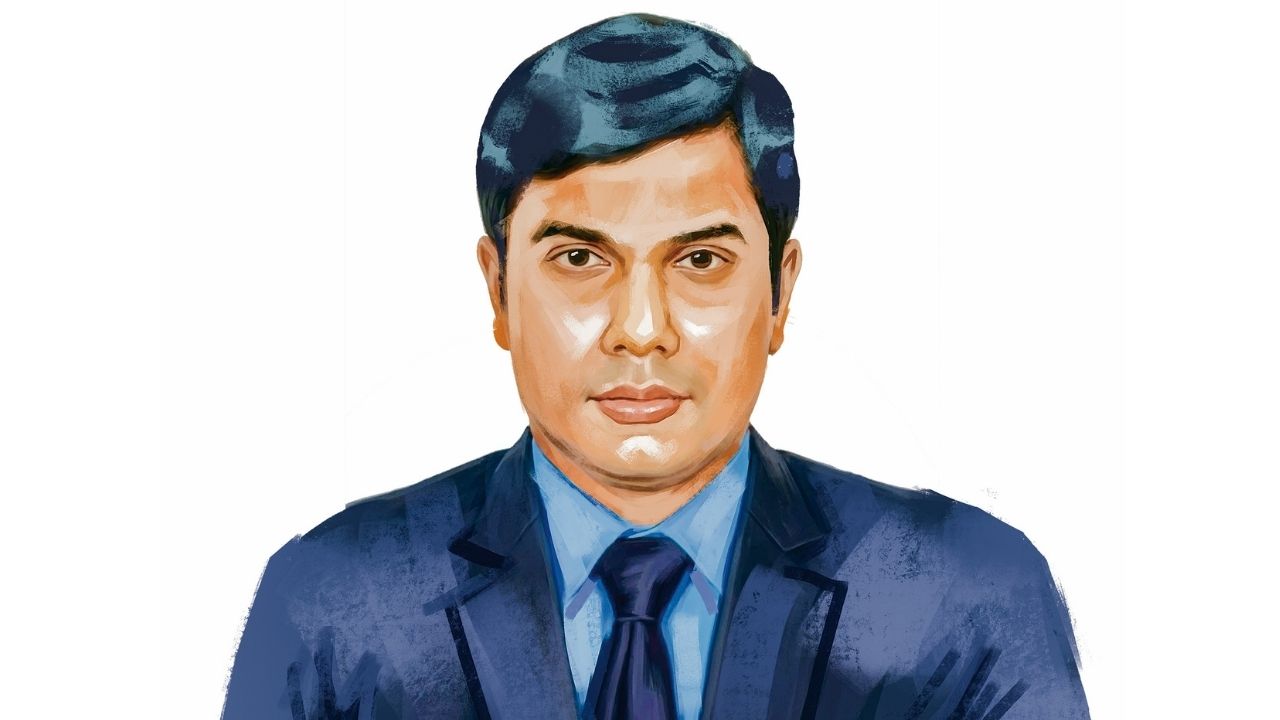

Md Rafiuzzaman Rafi, son of Enayetpur Police Station Sub-Inspector Md Tahsenuzzaman, said, “Since my father died, our lives have lost all meaning. We are struggling just to meet our basic living expenses.”
Asked whether the family had received government assistance, he said, “Apart from the pension, we have received no financial or humanitarian support.”
Mahfuza Begum, wife of Inspector Md Abdur Razzak, said, “I am struggling to support my child. Our family’s financial condition is not good.”
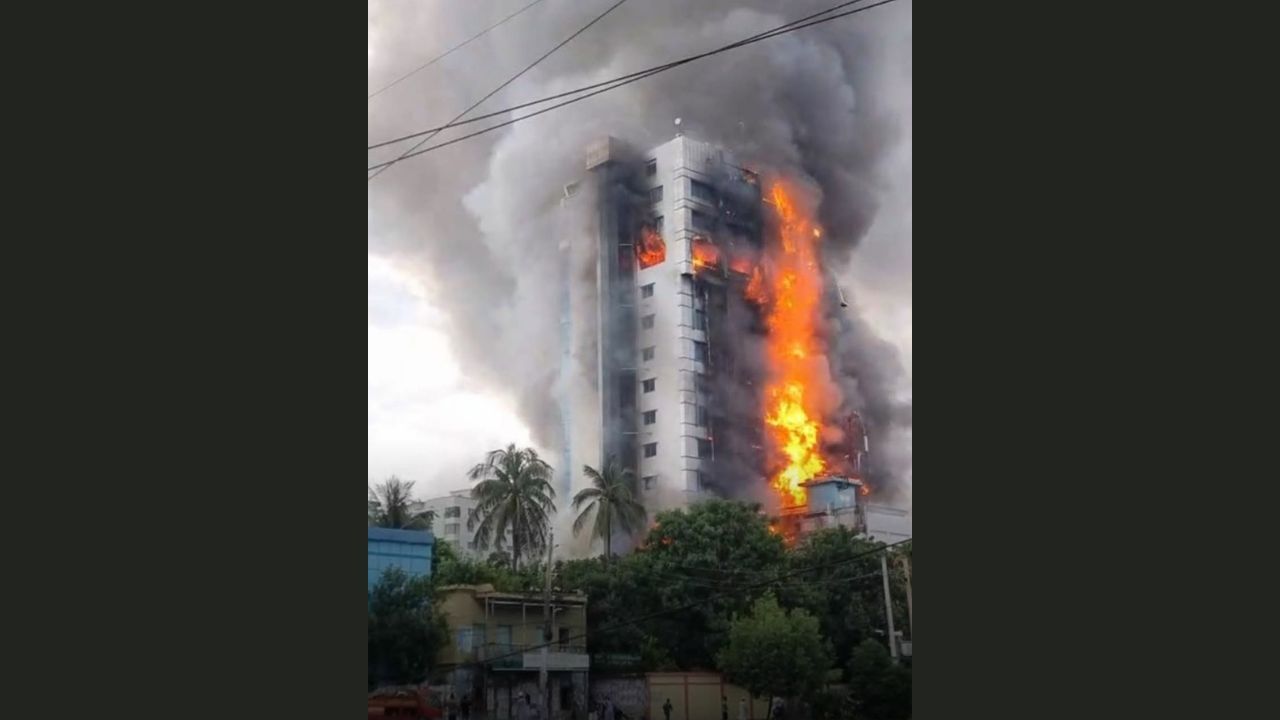
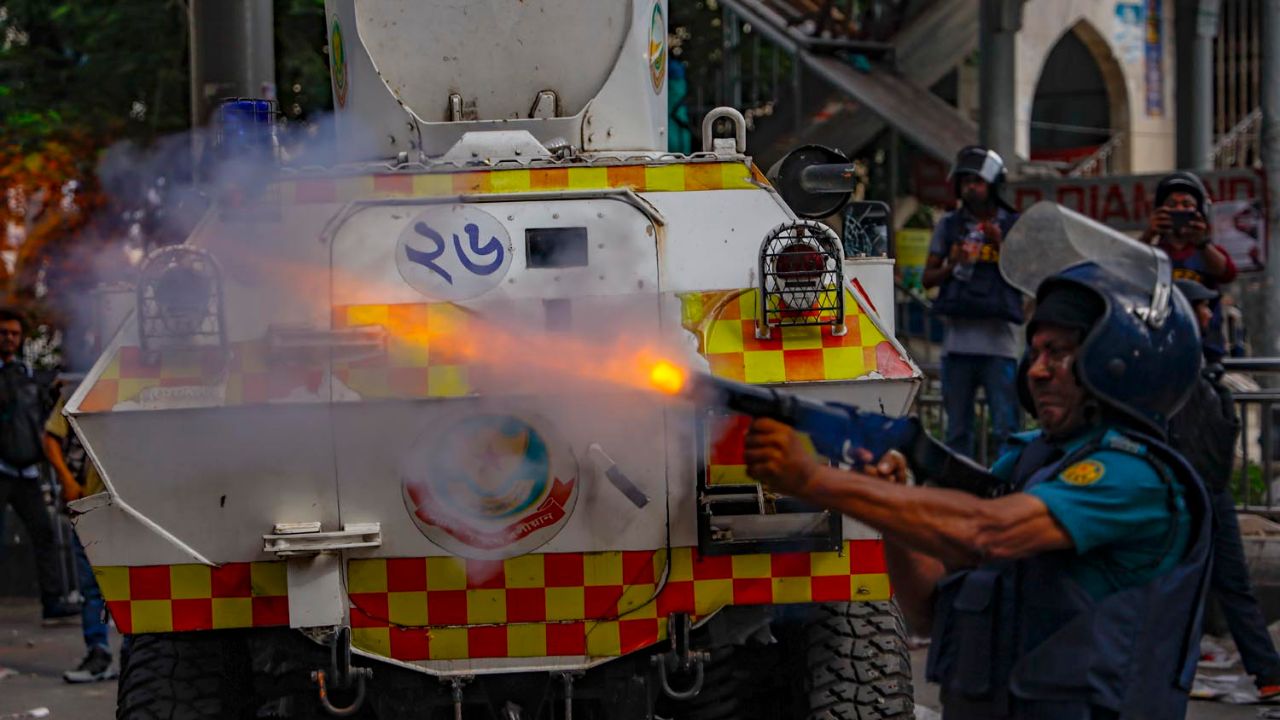
On the morning of 5 August 2024, police were accused of firing indiscriminately at protesters in Jatrabari.
After the government’s fall, protesters surrounded the police station, attacked it, beat four officers to death and later set the building on fire.
One of those killed was Constable Abdul Majid.
His wife, Shahzadi Begum, said, “I am struggling to survive with my two sons. Forget financial or humanitarian assistance—no one even came to offer condolences.”
No investigation after immunity
On 23 September 2024, Shahzadi filed a murder case against unidentified persons over the killing of the four officers at Jatrabari Police Station.
The station’s current Officer-in-Charge, Mohammad Raju, said, “I am not aware of this case.”
Enayetpur Police Station Officer-in-Charge Md Zahid Hossain said a case had been filed there, but there had been no significant progress.
In January 2026, the interim government promulgated an ordinance granting criminal immunity to those who took part in political resistance activities during the July mass uprising. After winning the February election, the BNP government enacted it into law.
The path to prosecuting the killings of police personnel has therefore effectively been closed.
Nipa Akter said, “My husband’s murder will never be brought to justice. Whom can we ask for justice? Who will deliver it?”
Supreme Court lawyer Shahdeen Malik, however, said immunity was not necessarily the final word.
“There are precedents where various immunity-related ordinances have later been repealed and justice has been established,” he told TIMES.
Describing the issue as highly complex, he said, “Even if judicial proceedings begin several years later, it becomes difficult in many cases to locate witnesses.”
“In the reality of our country, around 80 per cent of defendants in criminal cases are eventually acquitted. Against that backdrop, obtaining justice remains a major question,” he added.