








In parts of Central Africa, fear has returned with a familiar name: Ebola. Health officials in the Democratic Republic of the Congo have recently confirmed new clusters of cases in remote forest communities, according to updates from international health monitoring agencies.
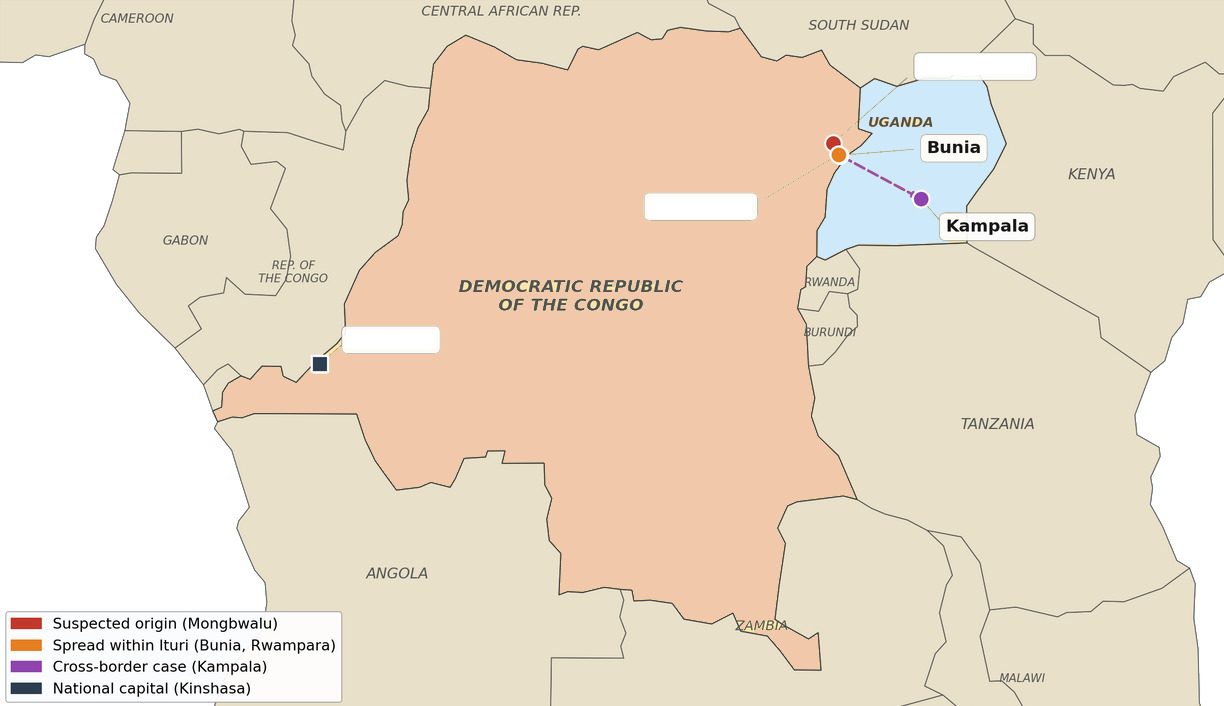
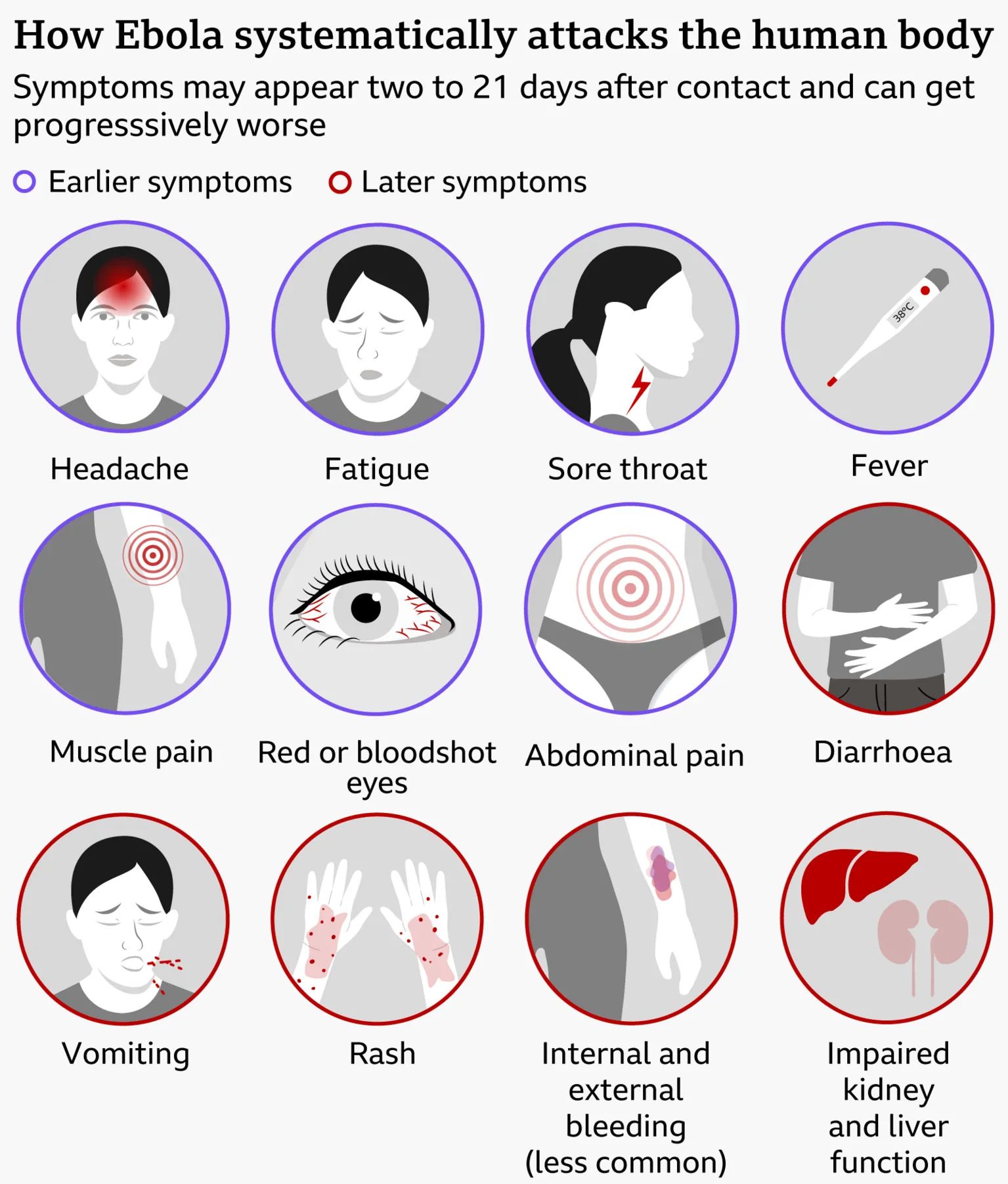
The outbreak began quietly. A few unexplained deaths were reported in isolated villages surrounded by dense forest. Soon after, patients arrived at small clinics with high fever, vomiting, diarrhoea, and extreme weakness. Laboratory testing later confirmed Ebola virus disease.
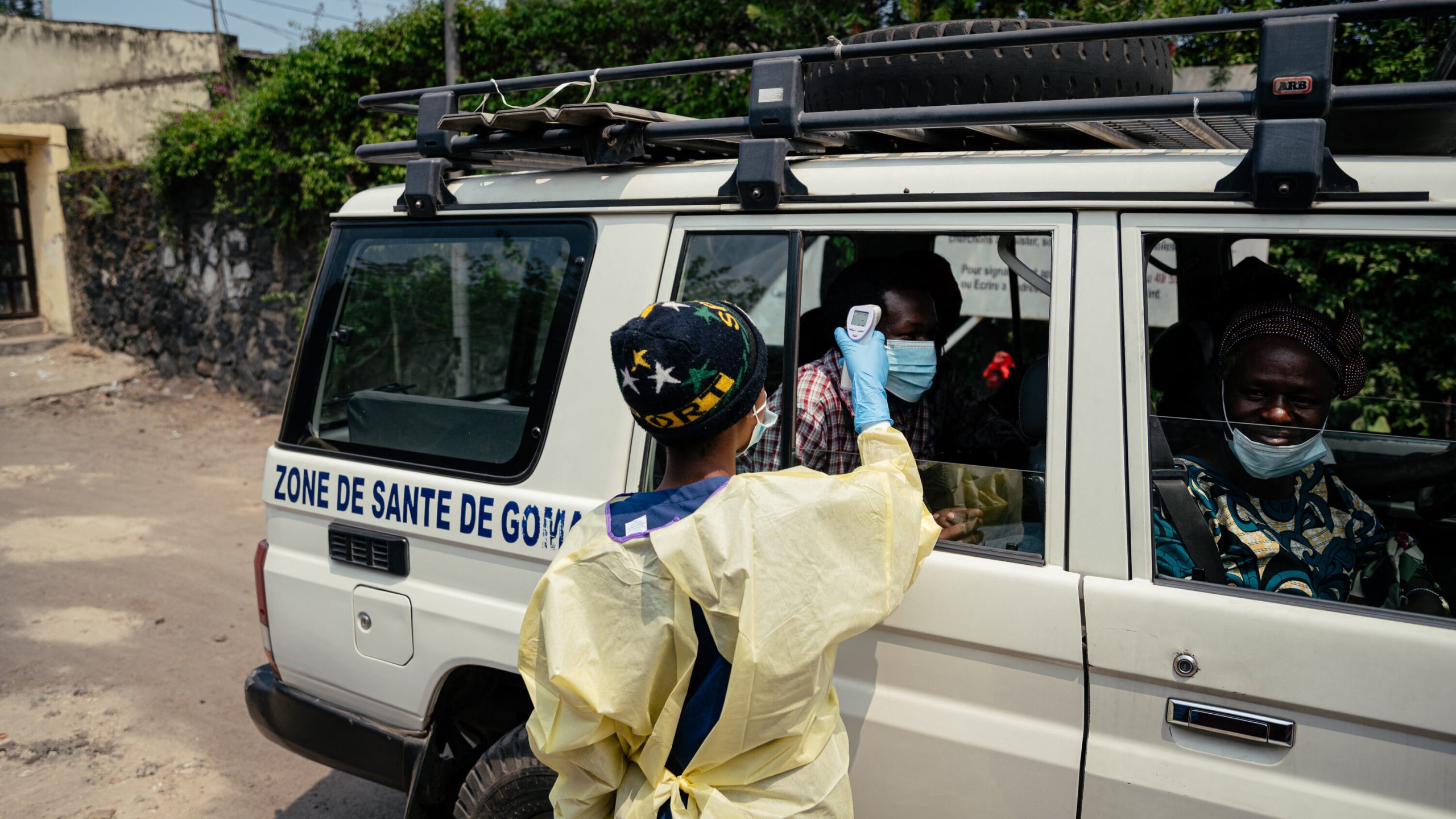
Local health teams responded quickly. Isolation units were activated and contact tracing began. But access remains a major barrier. Many affected areas are reachable only by boat, motorcycle, or long foot journeys. Delays in response continue to complicate containment.

Ebola is a severe viral illness. It spreads through direct contact with infected blood or bodily fluids. It does not spread through the air like influenza. The case fatality rate can range from about 25% to 90%, depending on the strain and quality of care. The incubation period is typically 2 to 21 days.




Transmission often accelerates during caregiving and burial practices. In close communities, family members care for the sick at home. Traditional funerals can also increase exposure. This is why safe burial teams and community awareness are central to response efforts.
Fear remains a major challenge. In previous outbreaks, misinformation led people to avoid treatment centres. Some hid their symptoms while others fled affected areas, unknowingly spreading infection.
The World Health Organization (WHO) is coordinating with national authorities. Ring vaccination strategies are being deployed around confirmed cases. Frontline health workers continue to operate in full protective equipment under difficult conditions.
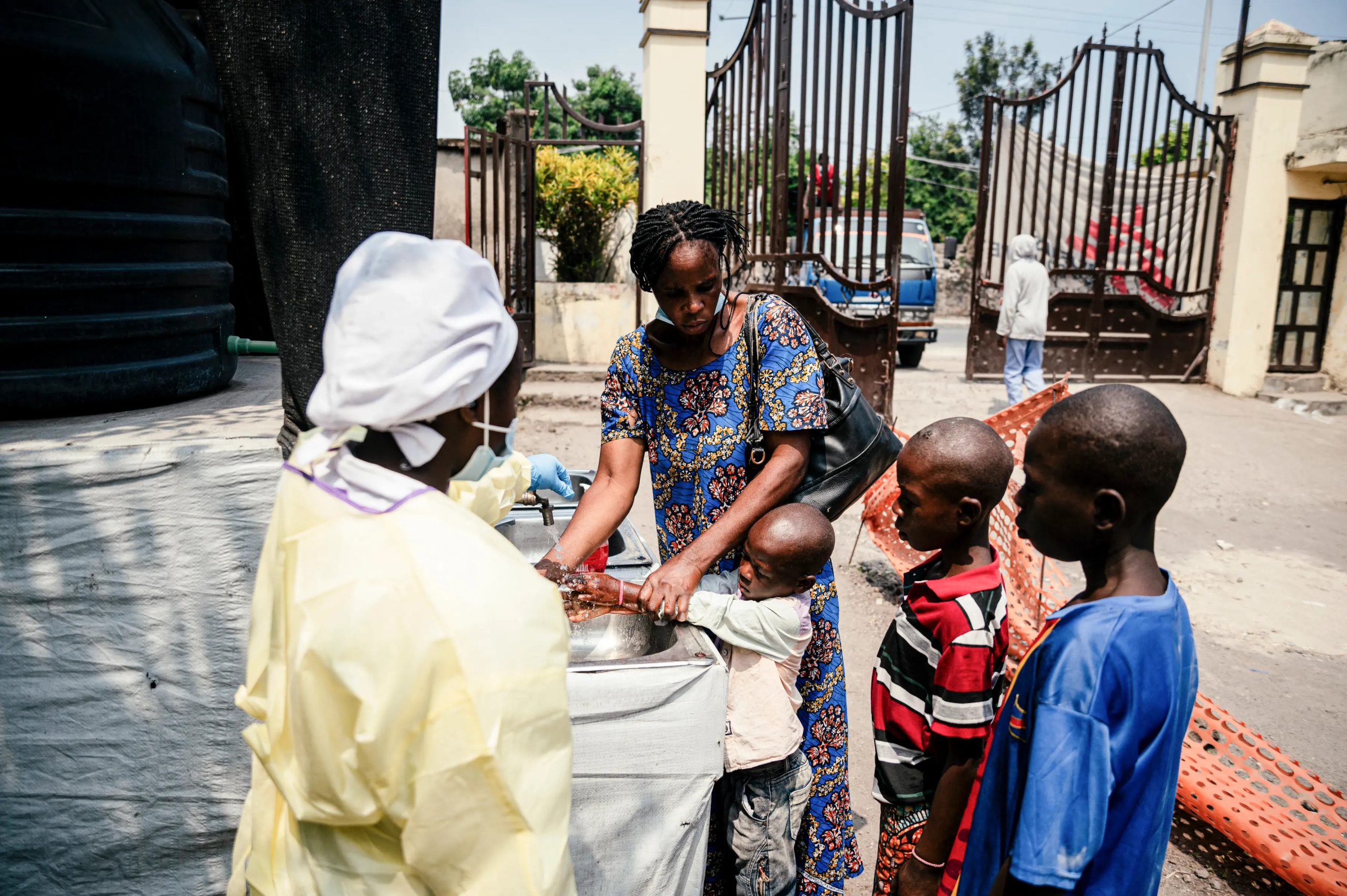
There is cautious progress. Compared to earlier decades, survival rates have improved. Rapid diagnostics and experimental treatments are now available in some regions. Community awareness has also increased.
Still, challenges remain severe. Poverty, weak infrastructure, and mistrust of health systems continue to slow containment. For villagers in affected areas, Ebola is not a distant headline. It is daily uncertainty, shaped by silence, fear, and waiting.
Each outbreak repeats the same lesson. Medicine alone is not enough. Speed, trust, and access determine how far the virus can spread.








