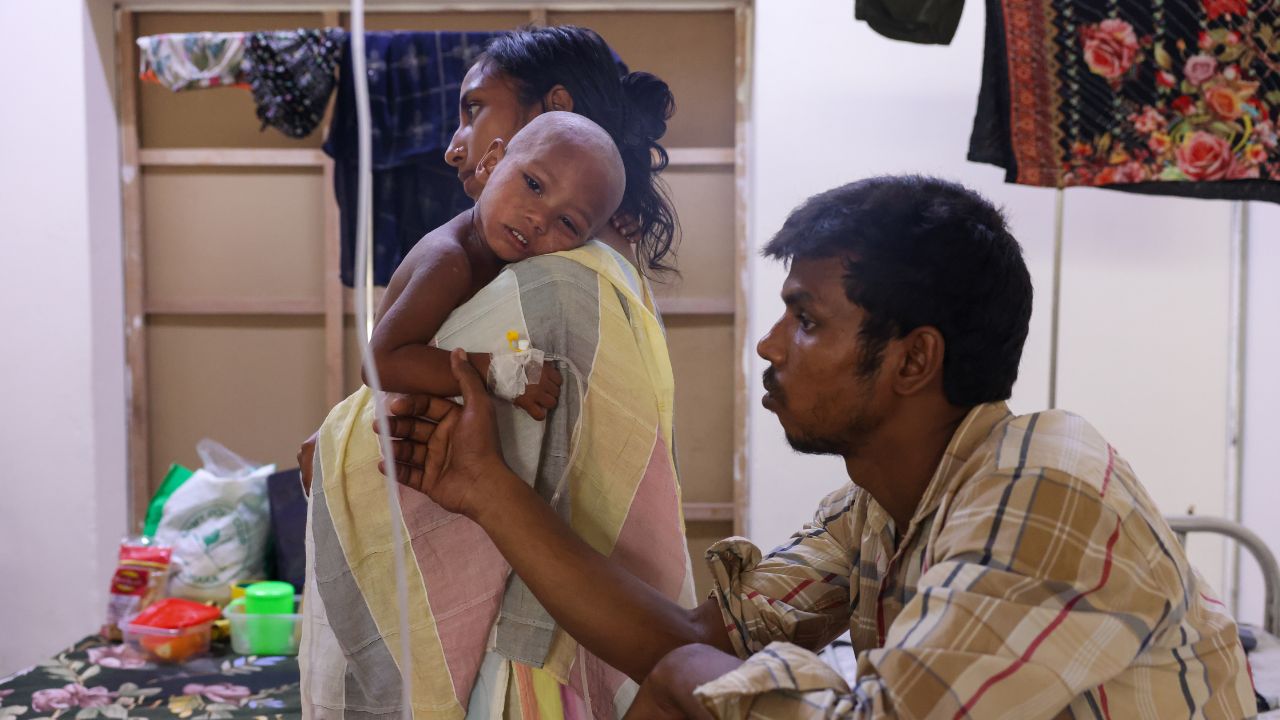
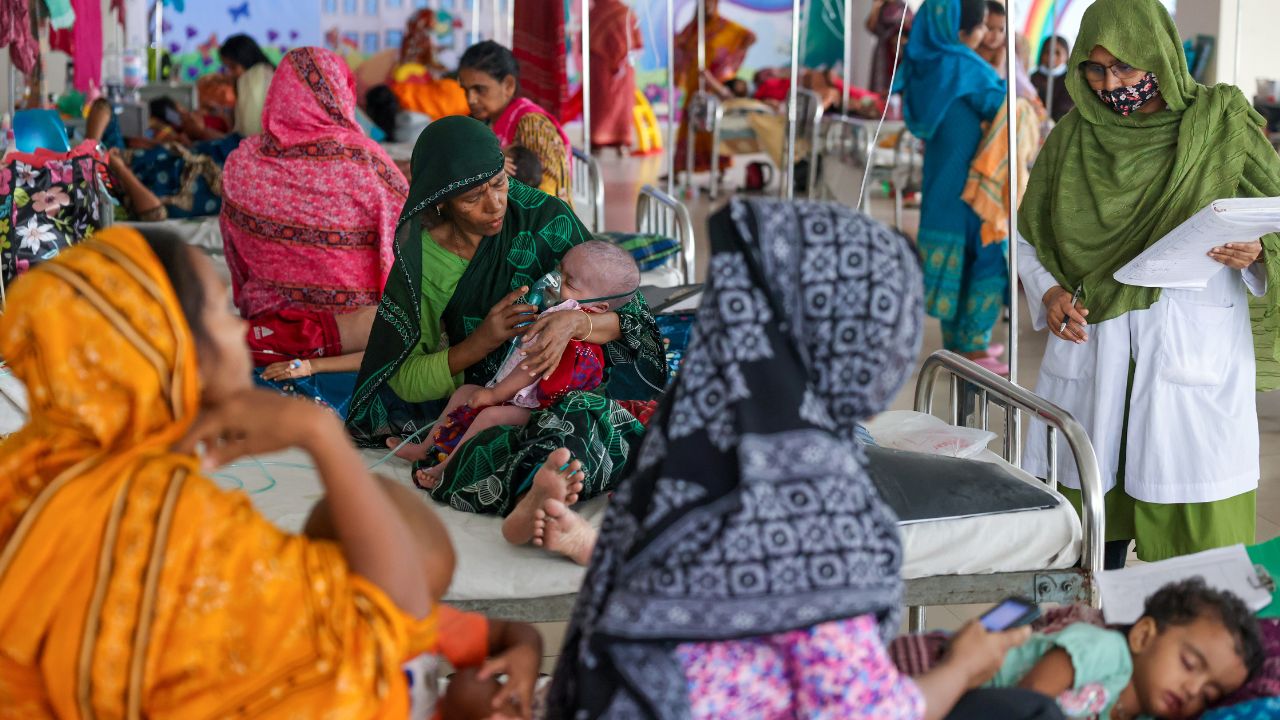
The number of dengue deaths has crossed the 350 mark this year, underscoring yet another deadly season of the mosquito-borne disease despite massive spending on mosquito-control programmes.
Public health experts say the continued surge exposes persistent governance failures and the urgent need for long-term, strategic solutions.
They argue that Bangladesh’s mosquito problem could be brought under control with existing resources if operations were better organised, stressing the need for trained personnel and a skilled, coordinated workforce.
According to the Directorate General of Health Services (DGHS), the country has so far recorded 88,457 dengue cases and 353 deaths this year. Dhaka remains the centre of the outbreak, with Dhaka South City Corporation accounting for 164 deaths and Dhaka North City Corporation reporting 61 fatalities.
In the last 24 hours until Thursday morning, four more dengue patients died and 745 were admitted to different hospitals across the country, DGHS data shows.

Despite the rising numbers, Dhaka South City Corporation Administrator Md Mahmudul Hasan recently claimed that the situation is “not alarming”.
Financial records, however, indicate that the capital’s inability to curb the Aedes mosquito population is not due to a lack of investment. Between FY2016–17 and FY2025–26, Dhaka North allocated Tk688.39 crore and Dhaka South Tk323.63 crore, largely for pesticide procurement.
For the current fiscal year (2025–26), Dhaka North has budgeted Tk187.75 crore, including Tk80 crore for pesticides, while Dhaka South has set aside Tk53.50 crore, of which Tk45 crore has been dedicated to chemical purchases.

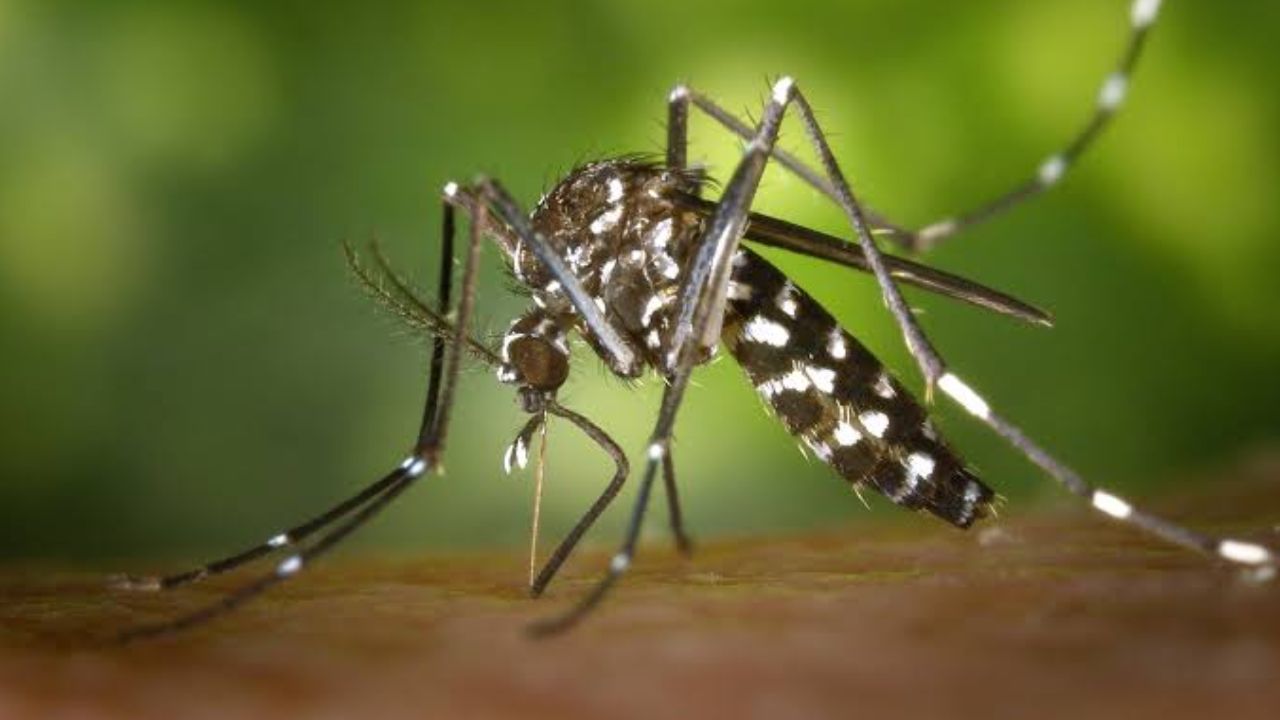

Yet this significant investment has failed to deliver results. Five months after Dhaka South doubled its insecticide concentration for evening fogging – from 30 to 60 litres per machine – the area remains the primary hotspot.
Experts warn that mosquito control cannot be achieved through fogging alone. While evening fogging may kill adult mosquitoes, eliminating eggs requires a different chemical applied in the morning, along with a comprehensive cleanliness campaign to prevent stagnant water.
“Fogging gives only temporary relief. Otherwise, mosquito numbers drop one week and rise the next,” said Institute of Epidemiology Disease Control and Research adviser Dr Mohammad Mushtuq Husain.
Beyond ineffective fogging, city authorities are grappling with deeper structural challenges. Dhaka North City Corporation Administrator Mohammad Azaz pointed to a severe manpower shortage, noting that the city has only one public health worker for every 11,000 residents — far below the international benchmark of 2.3 per 1,000.
“Although seven new inspectors have been hired, the shortage continues to hinder effective field operations,” he said.
Acknowledging the persistent threat, Dhaka South convened an emergency meeting on 6 November to form new ward-based oversight committees. The initiative aimed to incorporate citizen participation in monitoring adulticide and larvicide applications across identified hotspots.
Jahangirnagar University entomologist Professor Kabirul Bashar said the mosquito problem could be managed if existing resources were used in a well-organised way.
“Political commitment is essential to reduce the mosquito problem. Strong will and the right strategy are the most important things a government must have,” he told TIMES of Bangladesh.
Some countries are adopting innovative approaches, such as releasing genetically modified mosquitoes, to control disease-carrying populations. These mosquitoes are engineered so their offspring die before reaching adulthood or are less capable of transmitting viruses.
For instance, sterile male mosquitoes produce non-viable offspring when they mate with wild females, gradually reducing local populations.
Countries including Brazil, the United States (Florida), the Cayman Islands and Malaysia have conducted trials or programmes in high-risk urban areas. This method complements traditional control measures like fogging and larvicide use, offering a targeted, long-term solution to mosquito-borne diseases.
When asked about the feasibility of this approach in Bangladesh, Professor Bashar said, “I have doubts about how effective genetically engineered mosquitoes will be in Bangladesh because of the high mosquito density, but we can still run pilot projects to see the results.”