The World Health Organisation (WHO) has pointed to a reduction in vaccination coverage as a major factor behind the ongoing measles outbreak in Bangladesh.
In a report published on Thursday, the WHO warned that the country’s measles infection rates have surged due to lapses in immunisation, with the risk of further spread now at dangerously high levels.
The report explains that widespread vaccination efforts between 2000 and 2024 had significantly reduced measles cases in Bangladesh. However, a shortage of the Measles-Rubella (MR) vaccine in the 2024-25 period, combined with the suspension of the supplementary Measles-Rubella vaccination campaign since 2020, has led to a decline in vaccination coverage.
As a result, a growing number of children are now at risk of infection.

The WHO has urged the Bangladeshi government to ensure at least 95 percent vaccination coverage, implement stronger surveillance at border areas, and vaccinate health workers and travelers to curb the ongoing outbreak.
Rising cases and death toll
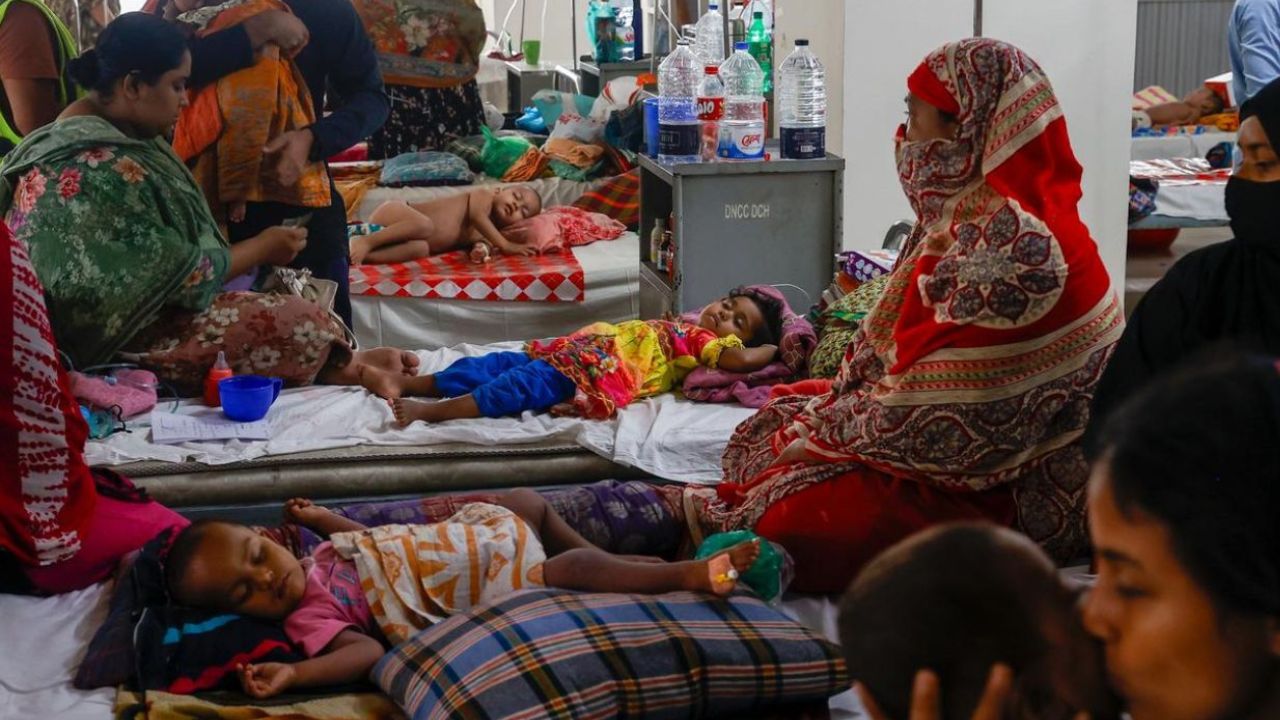
Between 15 March and 14 April, 2024, Bangladesh reported 19,161 suspected measles cases nationwide, with 2,973 confirmed as actual measles infections.
The outbreak has already led to 166 deaths, with a mortality rate of 0.9 percent among those exhibiting symptoms.


Among the confirmed cases, 30 deaths were recorded, resulting in a mortality rate of 1.1 percent.
Children most affected
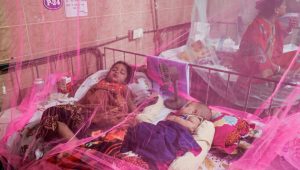
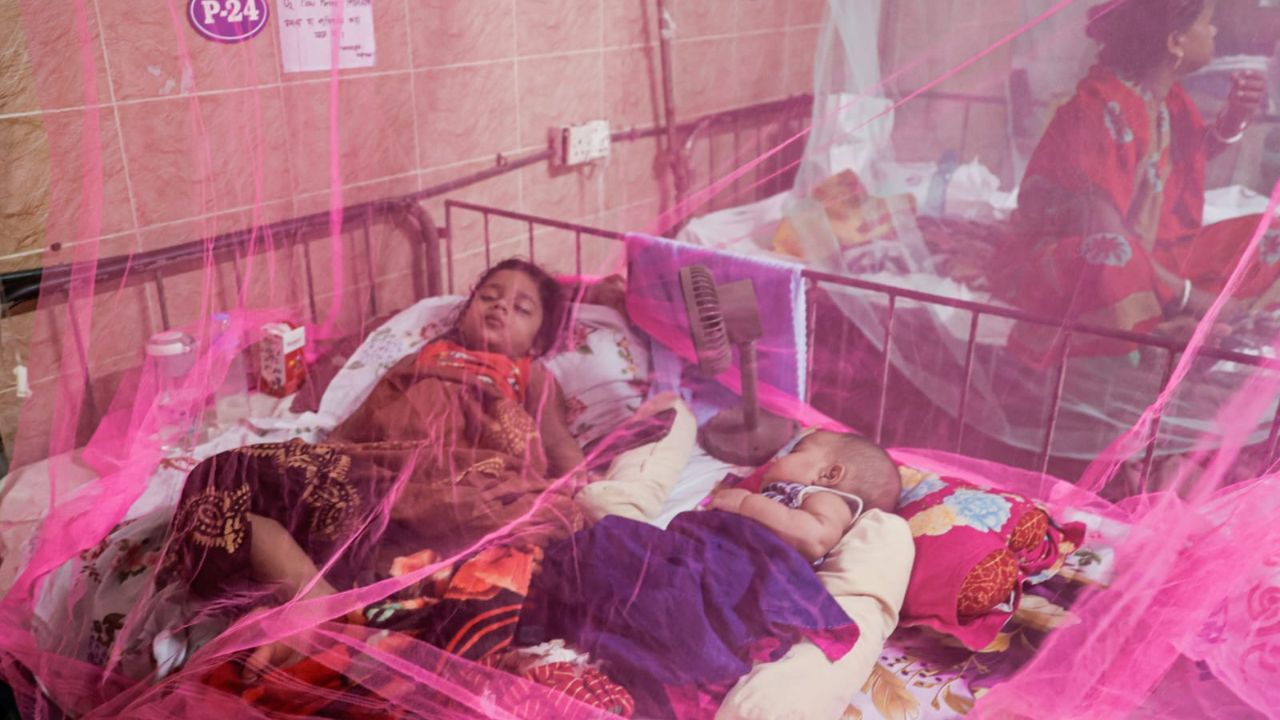
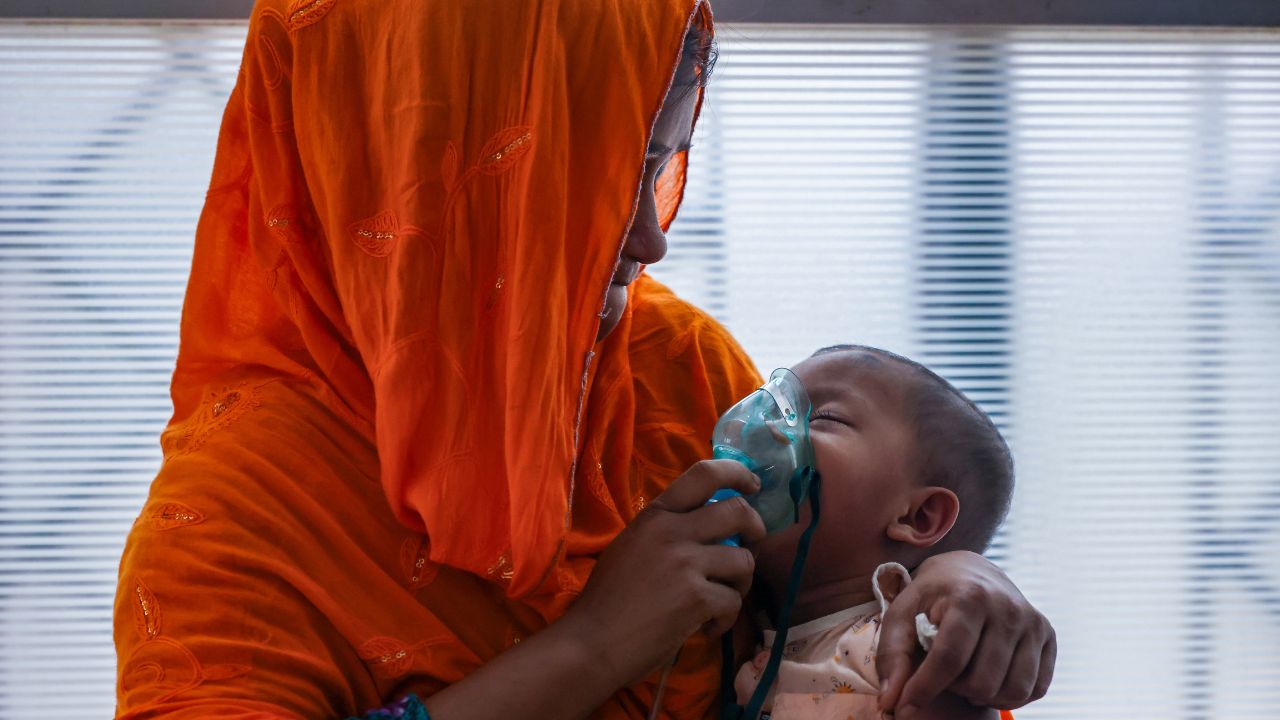
The WHO’s report highlighted that 79 percent of those infected are children under five years old, with 66 percent of them aged two or younger.
Tragically, 33 percent of the affected children were less than nine months old-too young to receive their first measles vaccine.
The majority of the deaths in children under two were due to incomplete vaccinations, while those younger than nine months died before they could be vaccinated.
Widespread transmission
The measles outbreak has spread to 58 of the country’s 64 districts, with the highest number of cases in the Dhaka Division, where 8,263 cases were reported.
Dense urban areas such as Demra, Jatrabari, Kamrangirchar, Korail, Mirpur, and Tejgaon have seen particularly high infection rates.
Other affected divisions include Rajshahi (3,747 cases), Chattogram (2,514 cases), and Khulna (1,568 cases). The WHO’s report confirmed that all eight divisions in Bangladesh have been impacted by the outbreak.
Call for immediate action
In light of the crisis, the WHO has called for urgent measures to control the spread of measles, stressing the importance of swift and efficient vaccination campaigns. The organisation is also urging the government to take immediate action to protect vulnerable children and prevent further fatalities from the disease.