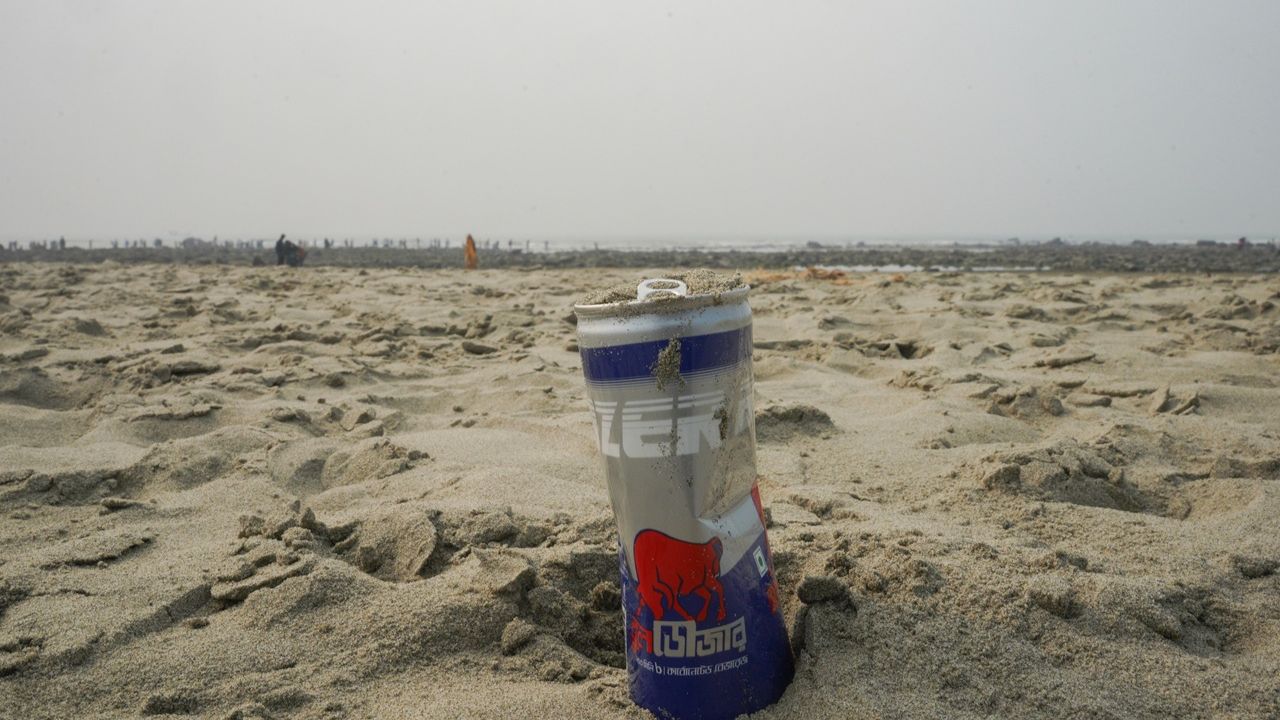

Cox’s Bazar is Bangladesh’s pride, the longest uninterrupted sea beach in the world. A place of blue horizons and golden sand, where many foreigners visit before anywhere else in the country. For tourists, this beach is often Bangladesh’s first impression and sometimes, sadly, the last disappointment.
Because beneath the beauty, a quiet crisis grows, waste everywhere. Plastic bottles float where waves should shine. Food wrappers hide in the sand, polythene bags cling to rocks and fishing nets, and disposable cups roll with the tide. What should be postcard-perfect often feels neglected.
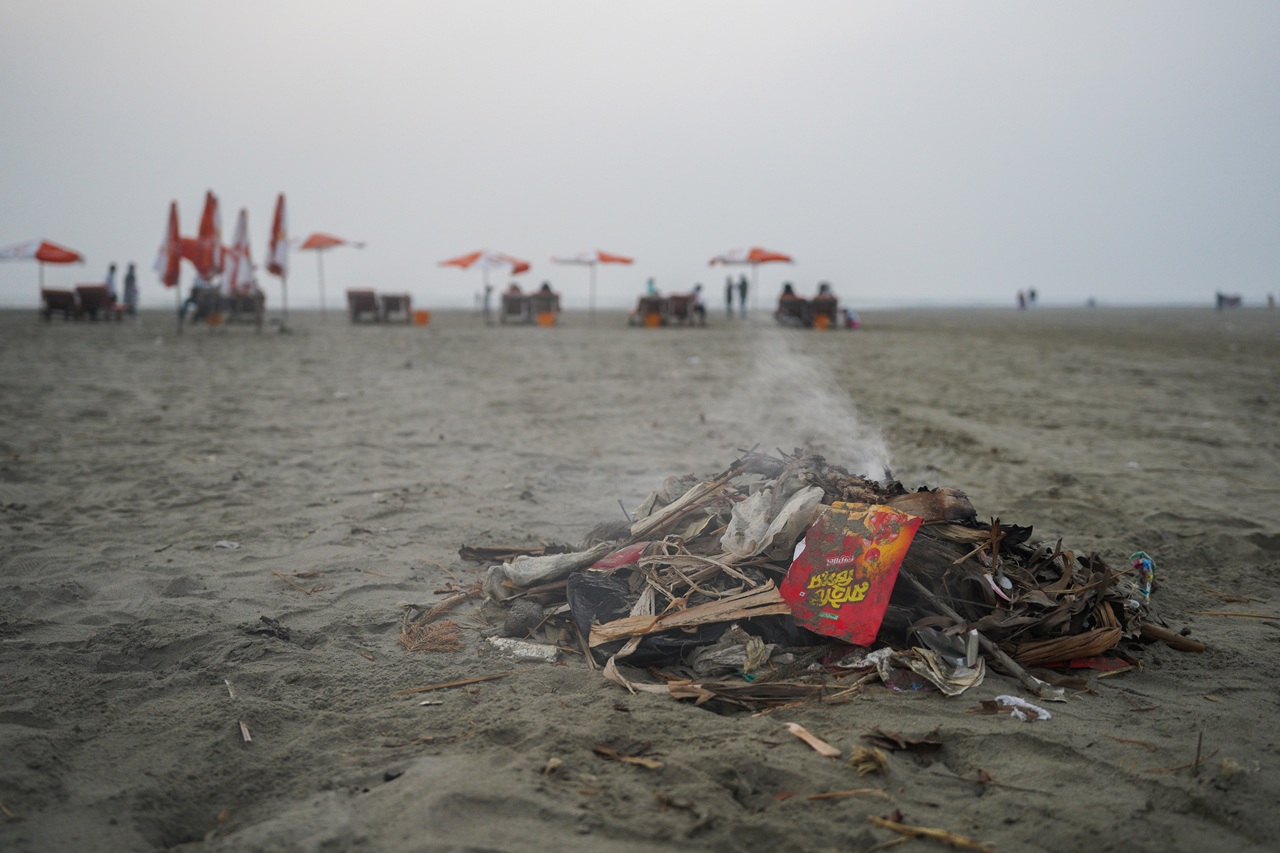
Tourism here is massive. Hotels rise every year, restaurants line the shore, and vendors crowd the beach till late at night. With them comes waste, more than the system can handle. Bins are few, waste collection is irregular, and recycling is almost absent. Much of the trash ends up on the beach or worse, in the sea.

The ocean does not forget. Plastic breaks into smaller pieces. Microplastics enter fish, fish enter human plates. The damage returns to us silently. Marine life suffers first. Turtles struggle to nest, fish lose breeding grounds and seabirds mistake plastic for food. Nature pays the price of our carelessness. But the damage goes beyond nature.




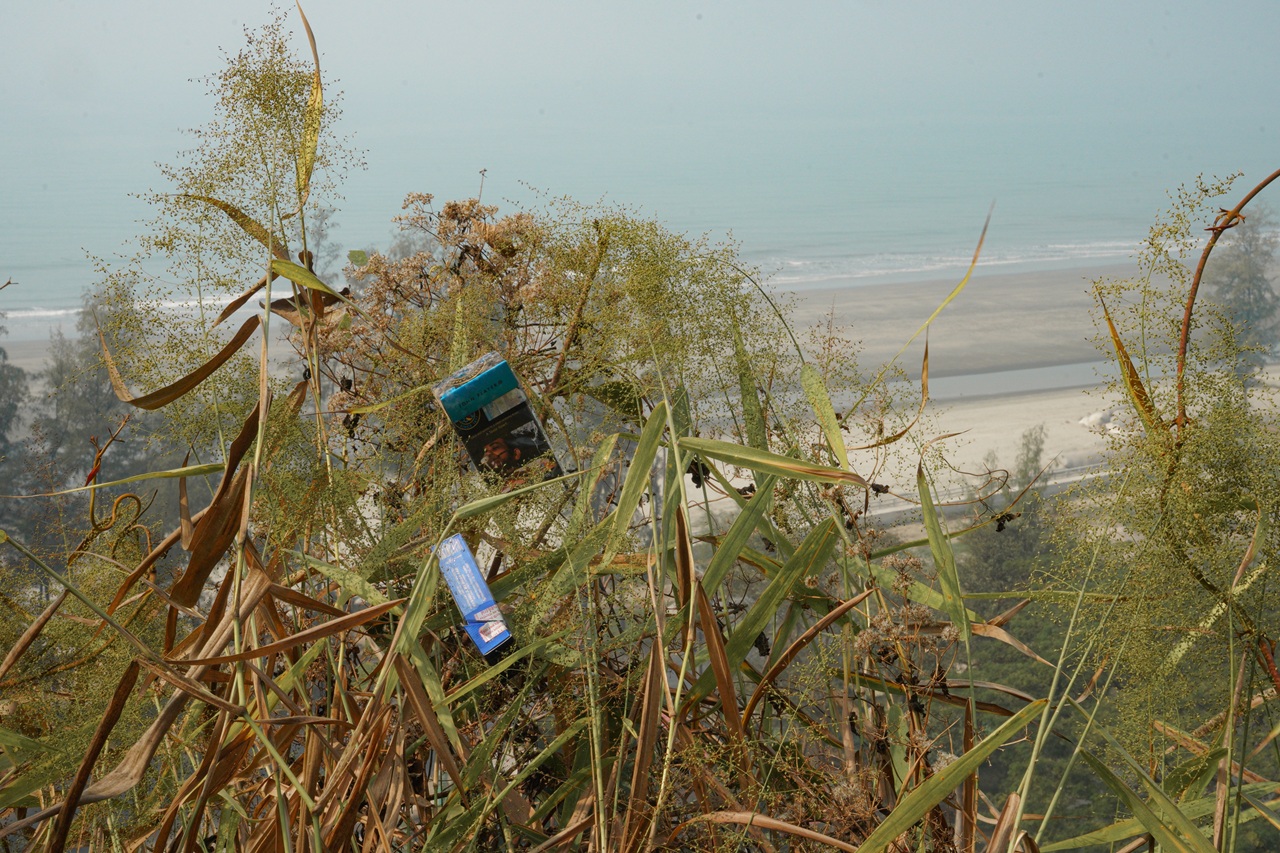
Foreign tourists notice everything. They click photos, share experiences and post reviews. A dirty beach does not stay local. It travels online and shapes perception, which harms Bangladesh’s image globally.
A country fighting to grow its tourism sector cannot afford this, not in Cox’s Bazar. Locals are not the only ones responsible. Tourists litter more. Businesses produce waste without accountability, while authorities react slowly. Everyone contributes but looks away.
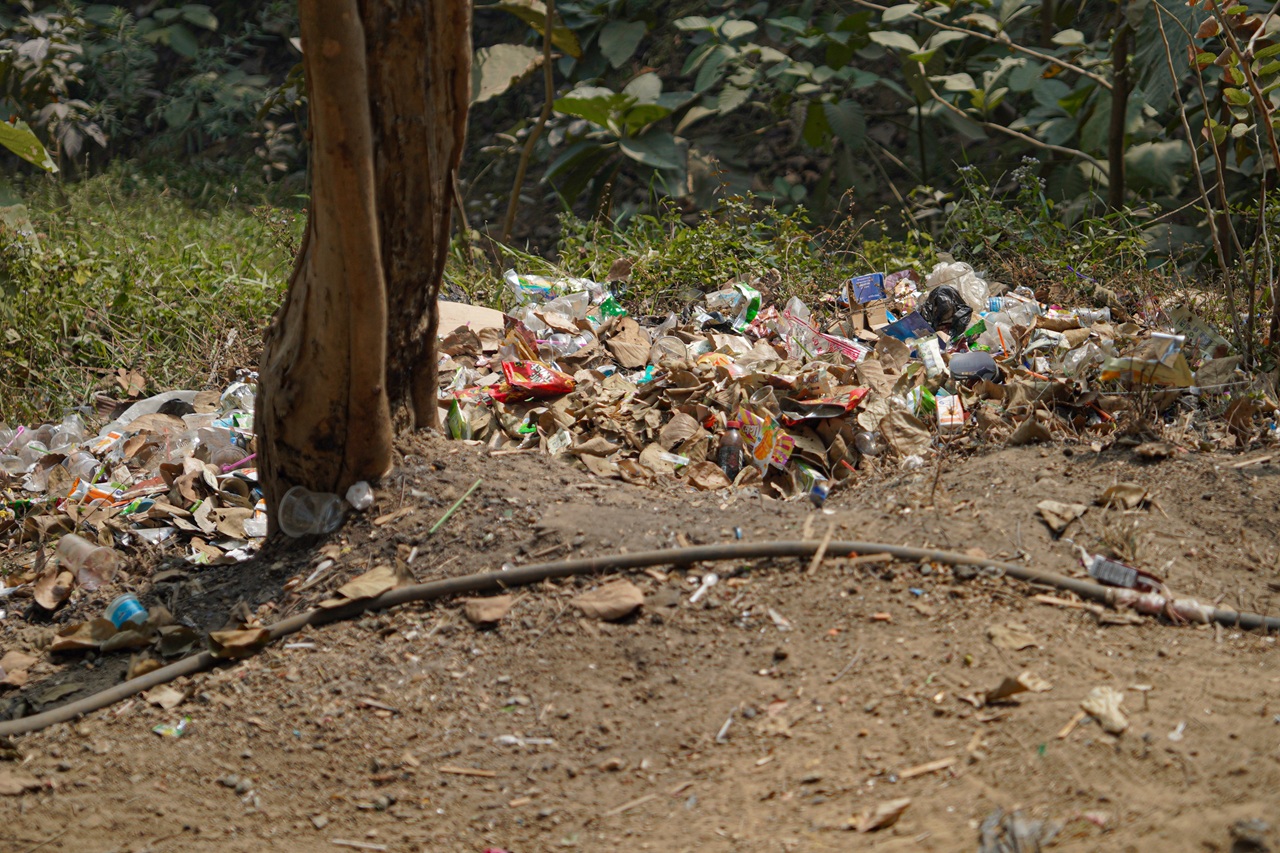
Yet solutions are not impossible. Strict waste management is needed. More bins, clear signage, daily beach cleaning, heavy fines for littering and eco-friendly alternatives for businesses. Most importantly, awareness. Because love for Cox’s Bazar should mean protecting it, not consuming it carelessly.
This beach’s beauty is fragile, but it is not beyond saving. Action can still change the story. Cox’s Bazar can remain a symbol of pride or become a lesson in neglect. The choice is ours.