The price of a 12kg liquefied petroleum gas (LPG) cylinder rose by Tk50, to Tk1,356 on Monday as the Bangladesh Energy Regulatory Commission (BERC) sought to narrow the gap between official and market rates.
Consumers, however, continue to feel the strain as shortages, hoarding and profiteering kept market prices far above the regulated level, with many buyers in the capital paying around Tk2,000 per cylinder.
Supply constraints at the retail level have worsened, with retailers saying they are paying up to Tk1,800 to some dealers to secure cylinders, while price-compliant dealers are supplying only a fraction of their usual volumes.
Reduced allocations are forcing dealers to raise margins per cylinder to reach break-even, dealers said, while some alleged that bottlers are charging higher cash prices off the books, an allegation the bottlers have denied since the crisis began about a month ago.

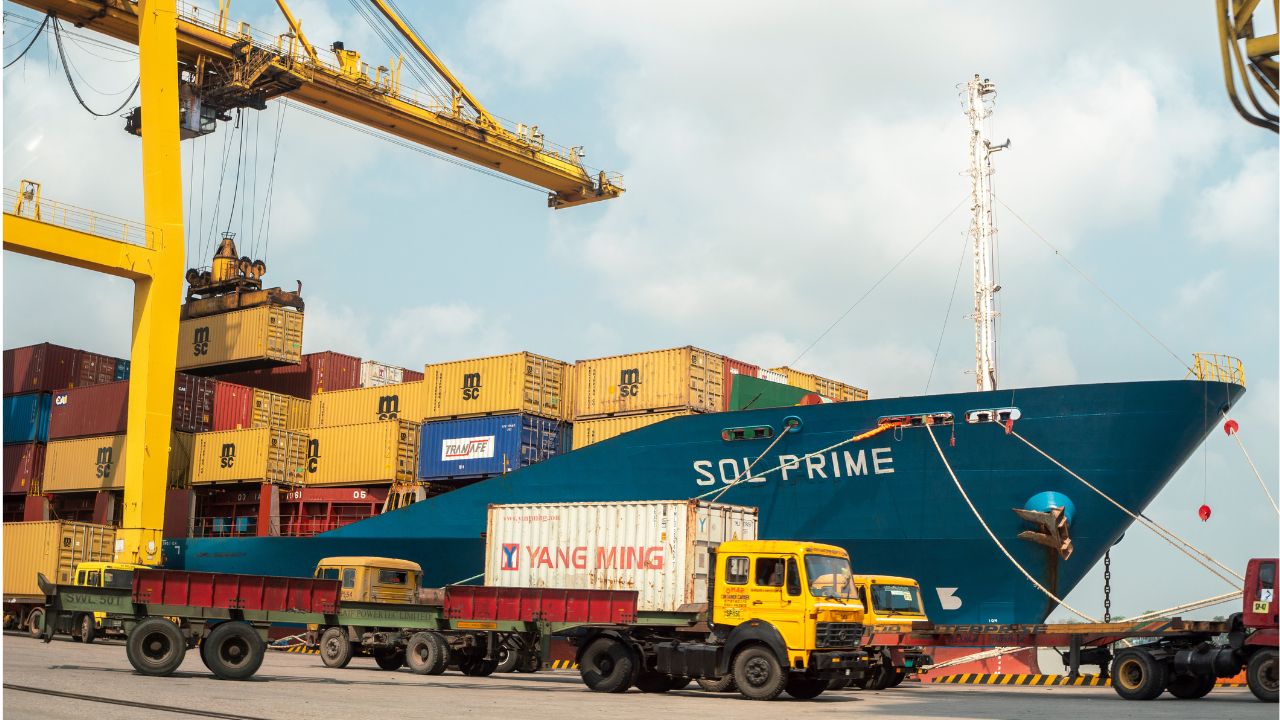
Imports picked up in the second half of January after earlier delays in government approvals, pushing total LPG imports to around 1.15 lakh tonnes in January from 96,000 tonnes in December, said LPG Operators Association of Bangladesh (LOAB) Senior Vice President Humayun Rashid.
Demand typically ranges between 1.3 lakh and 1.5 lakh tonnes a month and rises by at least 15 per cent during Ramadan due to higher household and commercial cooking needs, he said, warning that shortages could extend into the Ramadan, the month when the Muslim devotees observe fasting.
The supply gap remains but is gradually narrowing as bottlers increase import efforts, Rashid said, adding that he had expected a better import scenario earlier last month.




Policy support has lagged behind industry needs, with proposals to classify LPG as a green fuel and lower borrowing costs failing to materialise, LOAB President Mohammed Amirul Haque told TIMES of Bangladesh.
A proposal to cut value-added tax and tax was also not fully addressed by the revenue authority, he said.
Special arrangements by the central bank are needed to allow former leading importers to resume LPG imports and bottling, Rashid said, noting that Bashundhara, Uni, Beximco and several others have halted imports due to financial stress or political issues.
Only six to seven of the country’s 26 operators are currently importing LPG, he said, adding that they are overburdened with bottling despite holding bulk stock, while the number of empty cylinders has surged abnormally during the month-long crisis, creating backlogs.
Stronger market monitoring of the price-controlled commodity is essential to prevent dealers and retailers from exploiting the crisis, both LOAB leaders said.
Significant LPG arrivals are expected within the next two weeks, but full restoration of the supply chain will require government support, they added.
Without greater facilitation of imports, supply shortages could persist throughout February, Jamuna LPG Director Arafat Hossain told TIMES.