
If one listens closely to the gentle chill of February, the bells of winter’s departure can be heard. At the same time, the air carries the message of spring’s arrival.
At this transitional moment in nature, we stand before the historic national election and referendum on the 12th. Alongside the lamp of hope in our hearts, a shadow of deep sighs also lingers.
We have witnessed the ups and downs of Bangladesh’s last twelve elections. Except for three or four, the history of most national elections has largely been written in the ink of controversy and unacceptability.
Memories take us back to January 5, 2014, out of 300 seats, no voting took place in 153, and candidates were elected unopposed.

Again, in the 2018 election, many of us went to exercise our democratic right only to discover that our votes had already been cast the previous night by someone else. Burdened with anger and resentment, we returned from the polling centres that day. Since then, many of us have not felt encouraged to go back to vote.
I have had the opportunity to witness elections in developed countries firsthand. I recall March 23, 2019, when Australia held its national election. I was in Sydney at the time.
The memory of that New South Wales (NSW) election remains vivid. Nowhere in Sydney, the capital of NSW, did I see walls plastered with paper posters, deafening campaign noise, aggressive microphone use, road blockades for campaigning, or the politics of vandalism and tagging. Candidates from the Liberal and Labor parties were often seen campaigning together. There was no mudslinging; instead, everyone seemed eager to discuss development plans.




In Australia, voting is compulsory, failure to vote results in a fine. In contrast, in our country, simply going to vote often feels like engaging in a ‘brave battle’. In developed nations, elections are seen as an opportunity to serve the people, while for many candidates in our country, elections appear to be a ‘profitable business’.
We may be progressing in literacy rates, infrastructure development, and per capita income, but how poor we remain in healthy political practice and mindset is difficult to fully grasp unless one experiences those foreign polling centres firsthand.
The July mass uprising has given us the courage to dream anew. People now seek not merely a change of power, but a healthy political culture and a New Bangladesh. The blood-soaked revolution of students and citizens in 2024 has opened our eyes.
We have seen how the lust for power can blind people and how a nation can be driven toward ruin. That is why February 12 is not just another date for us, it is a test, a day of national awakening.
The realisation of the disciplined environment I witnessed in Australia can begin with the exercise of our voting rights in this election. Let us leave behind the bitter experiences of the past and go to the polling centers on the 12th with a resolve for change.
A single vote of ours can elect a truly qualified and patriotic candidate. Let the next five years be not a time of regret, but a period in which we live with pride and dignity.
I believe that this time, the people of the country will not vote blindly along party lines. They will vote based on merit, integrity, and patriotism. With the right leadership, it is possible to free Bangladesh from the curse of corruption within the next five years.
Let us make ‘Yes’ victorious for change. Let us build a new Bangladesh founded on equality and harmony.
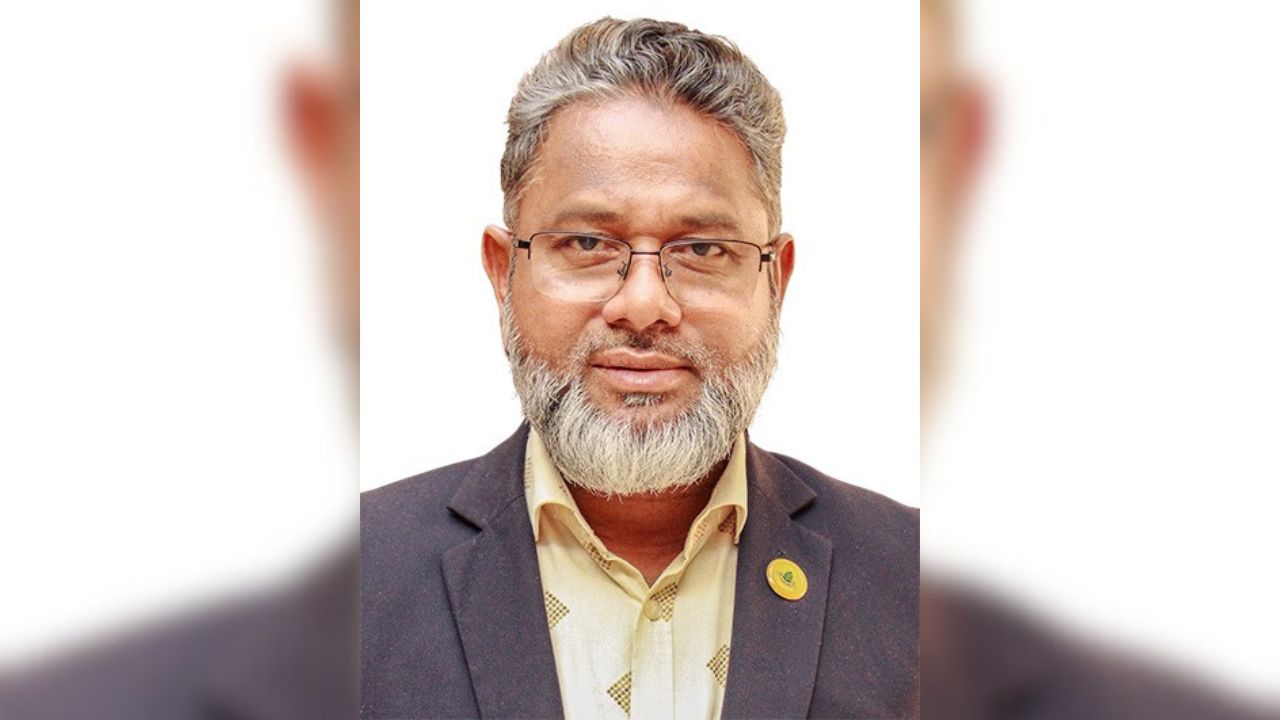
The writer is the Vice Chancellor at Eastern University, Dhaka.