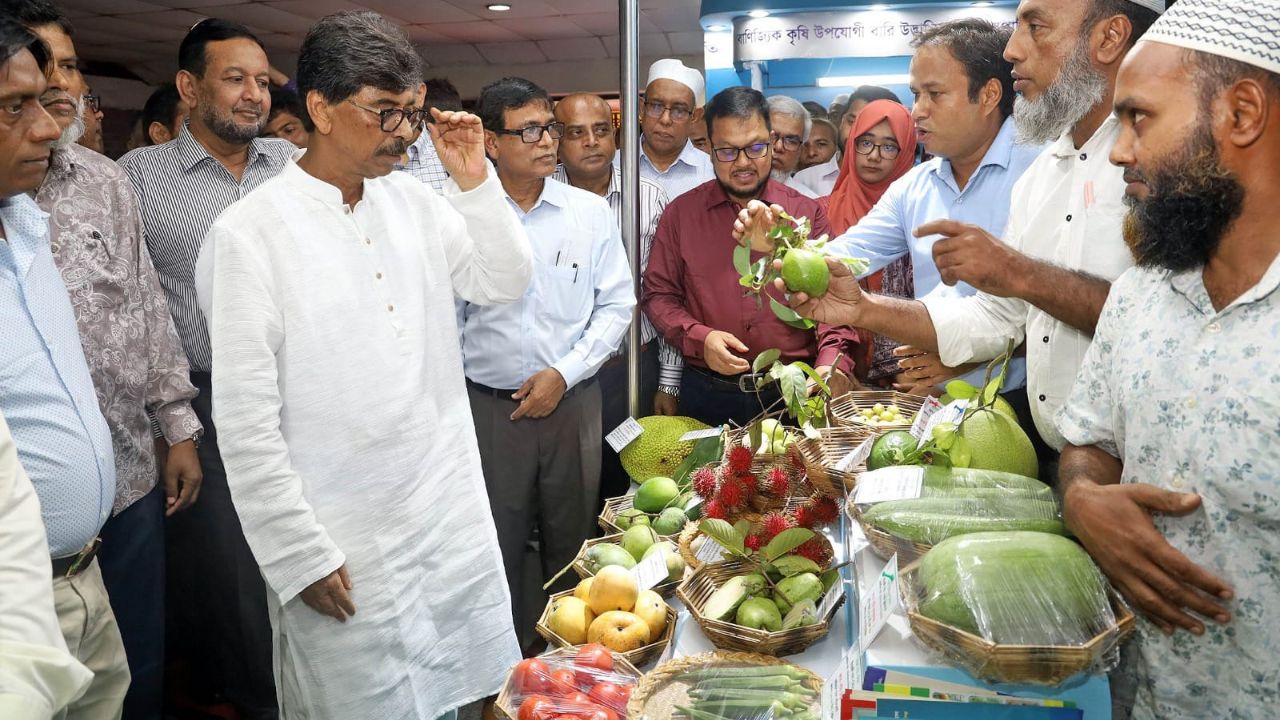



The Bangladesh Agricultural Research Institute (BARI) has begun reviewing its research programmes for fiscal 2025-26 and identifying priorities for 2026-27, as policymakers and scientists seek crop technologies capable of addressing climate threats and emerging agricultural demands.
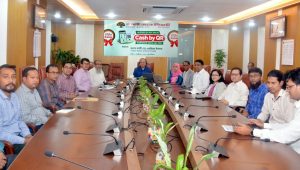
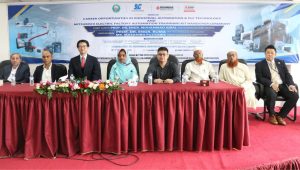
The BARI Internal Research Review and Programme Planning Workshop 2026 opened at 10:00am on Tuesday, 28 July, at the Kazi Badruddoza Auditorium, alongside a consultation on the activities of BARI, the Bangladesh Rice Research Institute, Gazipur Agricultural University, the National Agricultural Training Academy and the Seed Certification Agency, BARI said in a press release.
The meeting was designed to evaluate research programmes implemented during fiscal 2025-26 and formulate programmes for the following year based on their results and experience.
BARI scientists have developed 1,373 technologies, including 681 high-yielding crop varieties and hybrids as well as disease-resistant and stress-tolerant varieties suitable for cultivation under diverse adverse environmental conditions.
The institute has also developed 692 other production technologies. The innovations have contributed significantly to increasing domestic production of oilseeds, pulses, potatoes, vegetables, spices and fruits.

The workshop is assessing the effectiveness of those technologies while identifying research priorities for developing new solutions that respond to Bangladesh’s current agricultural needs.
Dr Rafiqul I Mohamed, secretary of the Ministry of Agriculture, chaired the consultation and inaugural session.
Agriculture and Fisheries and Livestock Minister Mohammed Aminur Rashid attended as chief guest.




The minister called for agricultural research to advance in response to emerging challenges and future demands. He also stressed the development of climate-resilient crop varieties and technologies capable of adapting to adverse environmental conditions.
BARI Director General Dr Md Monjurul Kadir delivered the welcome address.
Dr Faruk Ahmed, BARI’s director of research, presented the keynote paper outlining the institute’s research activities and achievements.
Professor Dr G K M Mustafizur Rahman, vice-chancellor of Gazipur Agricultural University, presented the university’s institutional activities.
Presentations were also delivered by Dr Md Rafiqul Islam, director general of the Bangladesh Rice Research Institute; Saiful Azam Khan, director general of the National Agricultural Training Academy; and Dr Md Saiful Alam, director of the Seed Certification Agency.
Speakers called for stronger collaboration among stakeholders to make Bangladesh’s agricultural research and development activities more responsive, innovative and future-oriented.
Participants included Dr Reshma Sultana, BARI’s director of training and communication; Dr Habib Mohammad Naser, director of planning and evaluation; Dr Nirmal Kumar Dutta, director of the Tuber Crops Research Centre; and Dr Kawsar Uddin Ahmad, director of the Horticulture Research Centre.
Senior officials from the Ministry of Agriculture, the Department of Agricultural Extension, organisations under the National Agricultural Research System and other agriculture-related institutions also attended.
Scientists and officers from different BARI divisions participated in the workshop.
At the end of the programme, Dr Md Mosharraf Hossain Molla, BARI’s director of service and supply, thanked the participants for their enthusiastic participation and contributions to the workshop.