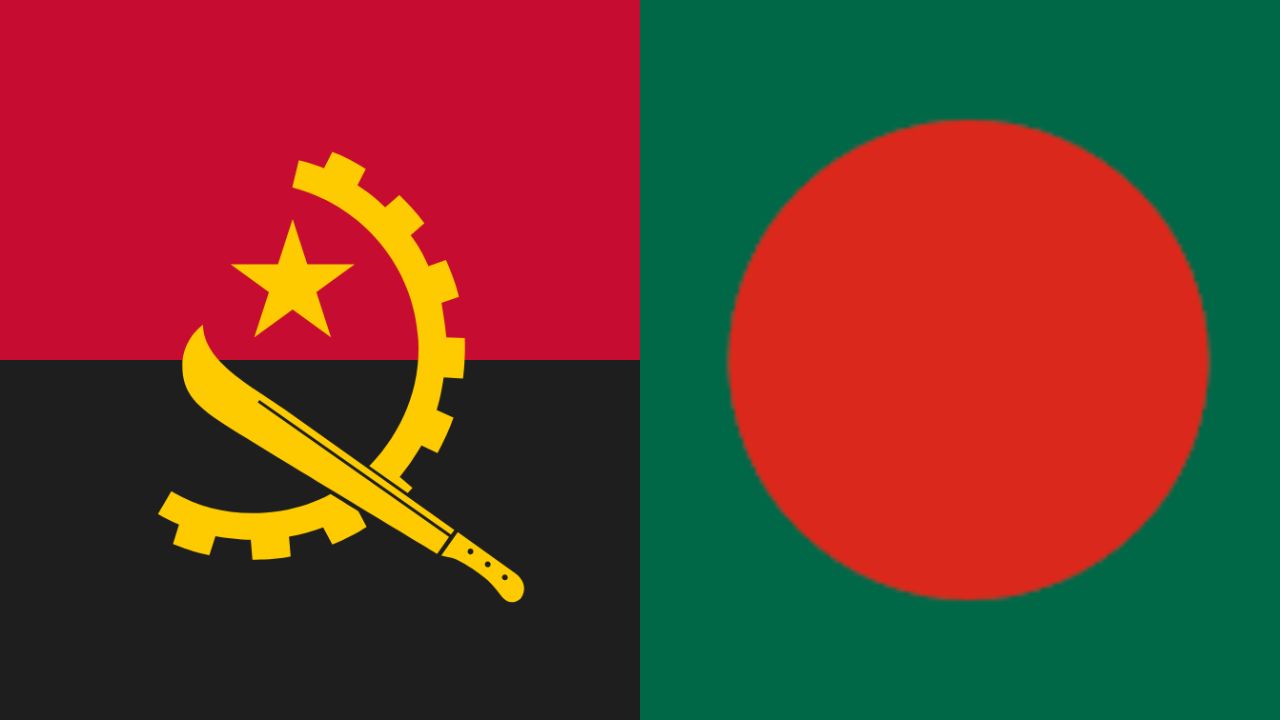



Bangladesh and Angola have held their first high-level bilateral energy dialogue via a virtual platform, marking a pivotal step in establishing a strategic partnership between the two nations.
The meeting, initiated by Dhaka, brought together senior government representatives and state-run energy entities to discuss supply arrangements and investment opportunities.
The Bangladeshi delegation was led by the Secretary of the Energy and Mineral Resources Division. The team included senior officials from the Ministry of Foreign Affairs and the Ministry of Power, Energy and Mineral Resources, as well as the Chairmen and Directors of the Bangladesh Petroleum Corporation (BPC) and Petrobangla.
Miah Md Mainul Kabir, the Bangladesh High Commissioner to Nigeria and concurrently accredited Ambassador to Angola, also participated, highlighting the High Commission’s efforts to strengthen bilateral relations.

Representing Angola, the delegation was headed by the Minister of State for Oil and Gas, H.E. José Alexandre Barroso, accompanied by senior officials from the country’s public energy sector and the Angolan Ambassador to Nigeria.
During the discussions, the Bangladeshi side outlined its escalating energy requirements and the strategic necessity of diversifying crude oil and gas imports beyond the Middle East.


Dhaka expressed a firm interest in establishing a long-term government-to-government (G2G) energy cooperation framework.
To facilitate this, Bangladesh invited an Angolan technical team to visit Dhaka for formal negotiations and expressed its readiness to send a reciprocal mission to Luanda.
Additionally, the Bangladeshi delegation urged the swift finalisation of a proposed Memorandum of Understanding (MoU) to provide an institutional structure for the partnership.
The Angolan delegation provided a comprehensive overview of their energy sector, noting that the country currently produces approximately 1.1 million barrels of crude oil per day.
Luanda is currently developing two new refineries to expand domestic processing capacity and maintains active LNG export capabilities alongside the development of upstream and downstream gas fields.
Expressing a keen interest in international investment, the Angolan side welcomed cooperation with Bangladesh and committed to reviewing the draft MoU promptly.
The dialogue concluded with both nations recognising a significant convergence of strategic interests, particularly Bangladesh’s need for energy security and Angola’s objective to broaden its export markets.
Both delegations acknowledged the vast untapped potential in their bilateral relationship and agreed to maintain technical-level engagement to achieve tangible results.