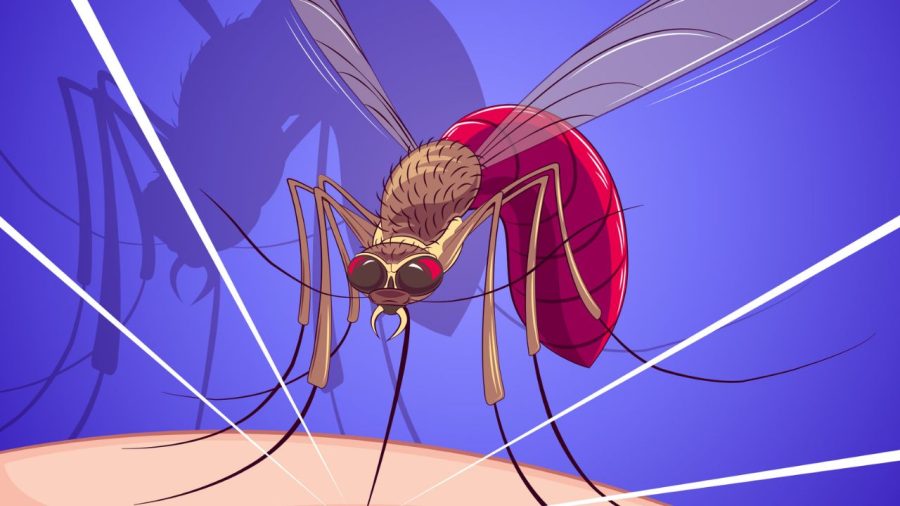



There is nothing quite as frustrating as spending a warm evening outdoors, only to wake up the next morning covered in itchy mosquito bites while everyone around you seems to have escaped untouched.
You may have blamed it on having “sweet blood”. But mosquitoes are not simply picking their victims at random. Research suggests that genetics, body chemistry, skin bacteria, body heat and even the colour of your clothes can influence how attractive you are to these persistent insects.
Around 20 per cent of people are considered “mosquito magnets” because they consistently attract more bites than others. Understanding why can help you take simple steps to keep the insects at bay.
The genetic and chemical scent profile
Genetics may account for up to 67 per cent of a person’s tendency to attract mosquitoes, with identical twins showing remarkably similar patterns of mosquito bites.
People who are more attractive to mosquitoes produce higher levels of carboxylic acids, including pentadecanoic, heptadecanoic and nonadecanoic acids, in their natural skin oils. When skin bacteria break down these fatty acids, they produce a distinctive scent that mosquitoes can detect from a distance.
Mosquitoes rely on a complex and highly redundant sensory system to track these smells. With multiple back-up scent receptors, they can continue locating preferred hosts even when specific receptor genes are disabled.
Genetic differences in genes such as IL-4, IL-13 and TNF-α can also influence histamine responses. For some people, this can mean more intense swelling, prolonged itching or severe reactions known as Skeeter Syndrome.

Your skin bacteria may make a difference
The microscopic bacteria that naturally live on human skin also influence body odour — and, in turn, how attractive someone may be to mosquitoes.
People who attract more mosquitoes tend to have a higher overall density of bacteria on their skin, but less diversity among the bacterial species present.
Certain bacteria, including Staphylococcus, Leptotrichia, Delftia and Actinobacteria Gp3, have been strongly associated with greater mosquito attraction. By contrast, Pseudomonas bacteria are found at more than three times higher levels on people who are less attractive to mosquitoes.
Researchers believe that Pseudomonas and Variovorax species may help mask attractive skin odours or produce natural deterrents that offer some protection against bites.
Sweat, body heat and other signals
Scent is only part of the equation. Mosquitoes also use physical signals to find their next host, including carbon dioxide, body heat and visual cues.




They can detect exhaled carbon dioxide from distances of 50 to 100 feet.
Pregnant women attract roughly twice as many mosquitoes as non-pregnant women. They exhale 21 per cent more carbon dioxide, have an abdominal skin temperature around 0.7°C warmer and wake more frequently during the night.
Blood type can also influence mosquito attraction. Mosquitoes land on people with Type O blood nearly twice as often as they do on people with Type A blood. The preference is particularly strong among secretors, who make up 85 per cent of the population and release chemical markers of their blood type through their skin.
Exercise can make people more attractive to mosquitoes by increasing body heat and producing sweat containing lactic acid and ammonia. Drinking beer also significantly increases mosquito landing rates.
As for popular home remedies, eating garlic or taking vitamin B does not repel mosquitoes.
Once mosquitoes detect carbon dioxide, they also use their vision to navigate towards dark or warm colours such as red, orange, black and cyan. Lighter colours, including white, green, blue and violet, are generally less attractive to them.
Choosing the right repellent
If mosquitoes seem determined to find you, the right repellent can provide an important line of defence.
Health agencies recognise four main active ingredients for application to the skin: DEET, picaridin, oil of lemon eucalyptus (PMD) and IR3535. Unrefined essential oils, including plain citronella or peppermint, do not provide the same long-lasting protection as recognised active compounds.
DEET can provide up to 95 per cent efficacy for four to eight hours. However, higher concentrations can feel greasy and may damage synthetic fabrics or plastics.
Picaridin offers similar effectiveness to DEET without the oily sensation or risk of damaging fabrics.
PMD is the only plant-derived active ingredient recognised by major health authorities. Gentler, alcohol-free formulations are considered safe for infants as young as six months.
For infants younger than two months, chemical repellents should be avoided altogether. Stroller netting is a safer option.
When applying repellent, cover all exposed skin, apply sunscreen first and allow it to dry before applying the repellent. For the face, put the repellent on your hands first rather than spraying it directly. Avoid applying repellent underneath clothing, and wash the treated skin with soap and water once you return indoors.
Keep mosquitoes away from your surroundings
Repellent is not the only defence. Small changes around the home can also make a noticeable difference.
An outdoor household fan can act as a surprisingly effective barrier around seating areas. Mosquitoes are weak fliers, with a top speed of only 1.5 miles per hour, while fan currents can move at around 15 miles per hour.
Clothing and gear can also be treated with permethrin, which kills mosquitoes on contact. However, permethrin should never be applied directly to the skin.
Perhaps the simplest step is to remove standing water wherever possible. Flower pot saucers, buckets and bird baths can all become breeding sites. Emptying them regularly helps break the mosquito breeding cycle and prevents female mosquitoes from laying hundreds of eggs in small pools of water around the home.
Mosquitoes may be tiny, but their choice of target is far more complicated than the old “sweet blood” myth suggests. Your genes, skin chemistry, bacteria, body heat and surroundings can all play a part.
While you cannot change your genetics, you can change how much access mosquitoes have to you and a few precautions can make those warm evenings considerably less itchy.