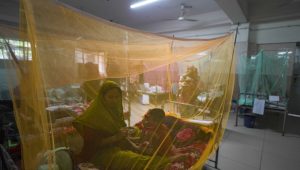




After every rain in Dhaka, the city does not dry; it rots. Water sits on streets, inside alleys, and around homes. Within days, mosquitoes rise from that stillness. Dengue spreads faster than the water can drain. What looks like an urban nuisance is a growing public health emergency.
At the centre of this crisis are Dhaka’s dying canals, once natural protectors of health, now silent incubators of disease. When canals lose their flow, rainwater has nowhere to go. It settles on roads, in alleyways, beside homes. This stagnant water becomes the perfect breeding ground for mosquitoes. Dengue, once seasonal, now spreads relentlessly through the city, turning rainfall into a health hazard.
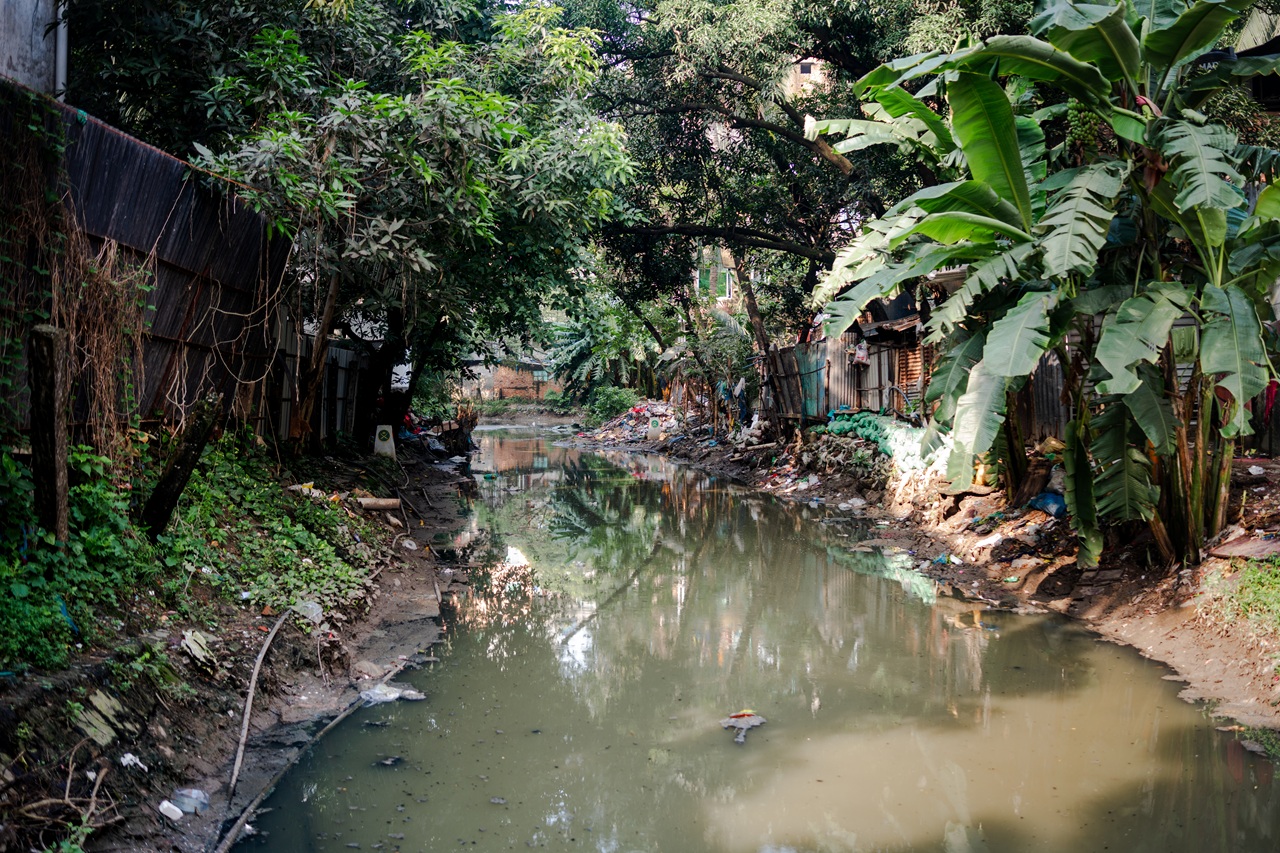
Public health expert and IEDCR advisor Dr M. Mushtuq Husain explains that the danger increases after rain slows down. “When rainwater remains still, mosquito eggs hatch rapidly. Poor drainage creates ideal breeding conditions across neighbourhoods,” he said. The problem is not heavy rain alone, but water that refuses to move.

Flowing water once acted as a natural defence. According to urban planner Dr Adil Mohammed Khan, living water bodies supported frogs and other natural predators that kept mosquito populations in check. “If water remained flowing, dengue larvae could not survive,” he noted. The disappearance of canals has removed this natural protection, leaving the city exposed.
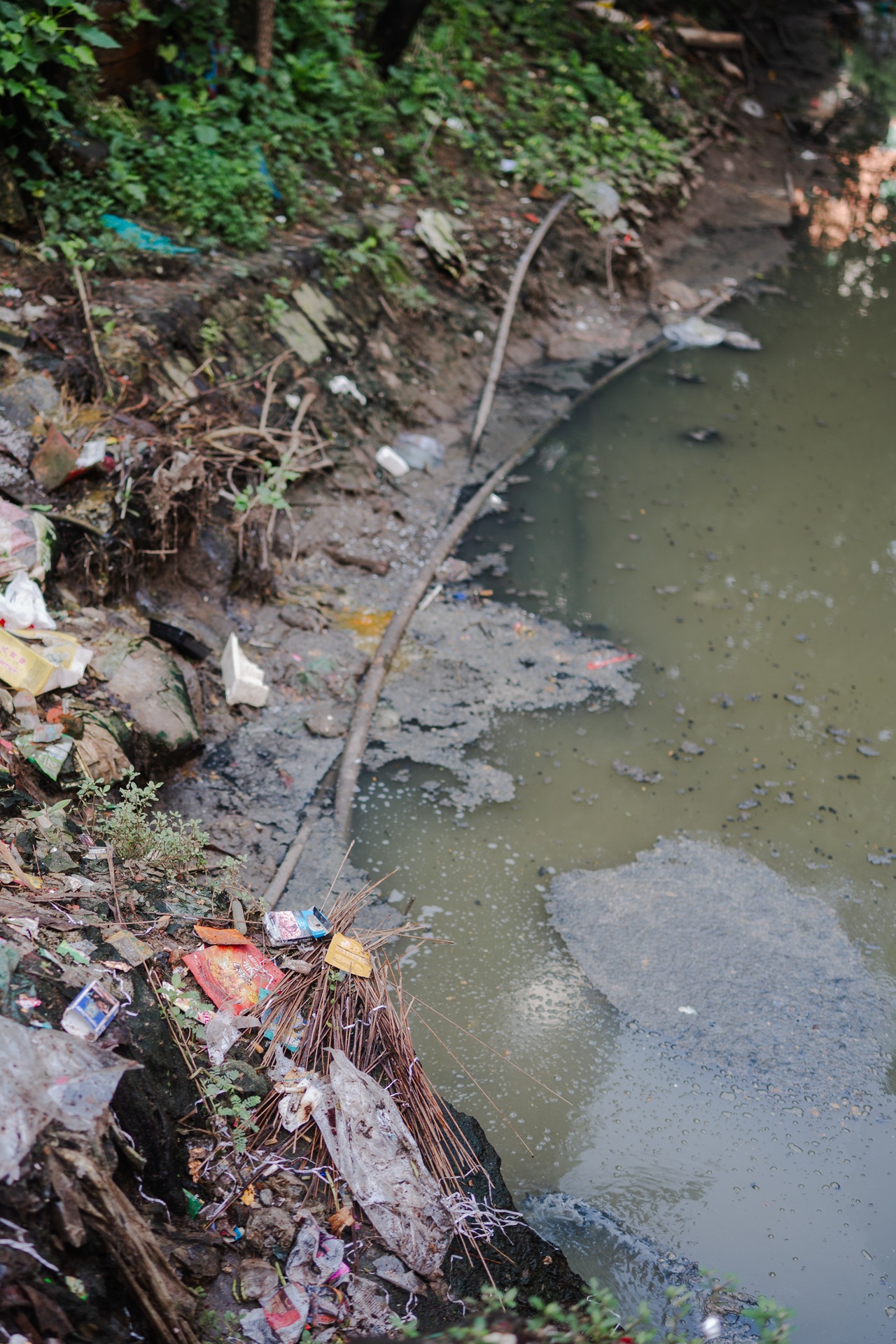
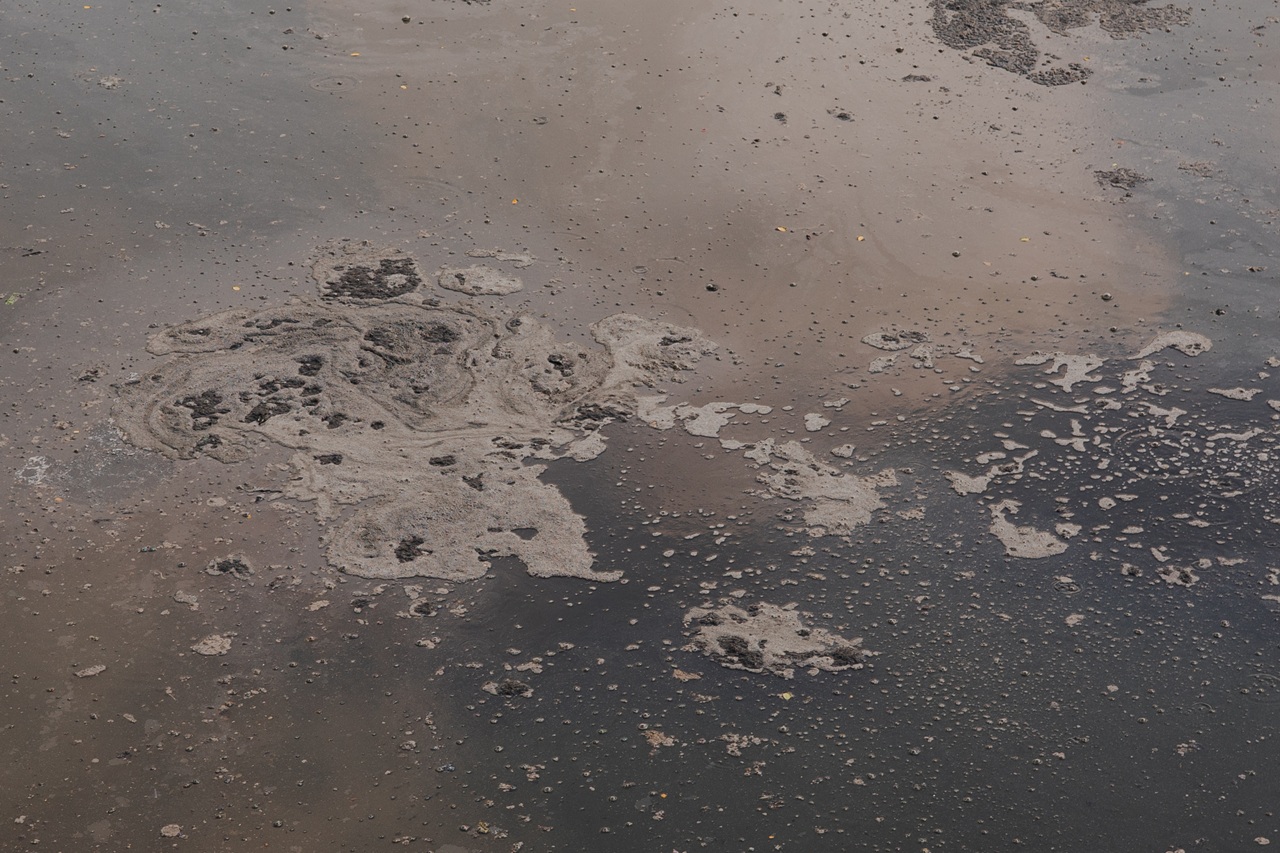
A recent survey by Dhaka North City Corporation shows that nearly half of the capital’s canals are now dead. As a result, waterlogging has become routine. Stagnant water lingers for days or even months, mixing with waste and sewage. This contaminated water doesn’t just spread dengue; it worsens skin infections, diarrheal diseases and respiratory problems, especially among children and the elderly.




Research by Florida International University Discovery paints a grim picture. Over the past two decades, about 60 per cent of Dhaka’s wetlands and canals have disappeared. Only 5 to 7 per cent of the city now consists of natural water bodies. This loss has intensified the urban heat island effect, raising temperatures by up to two degrees. Higher temperatures accelerate mosquito breeding cycles, further amplifying dengue transmission.
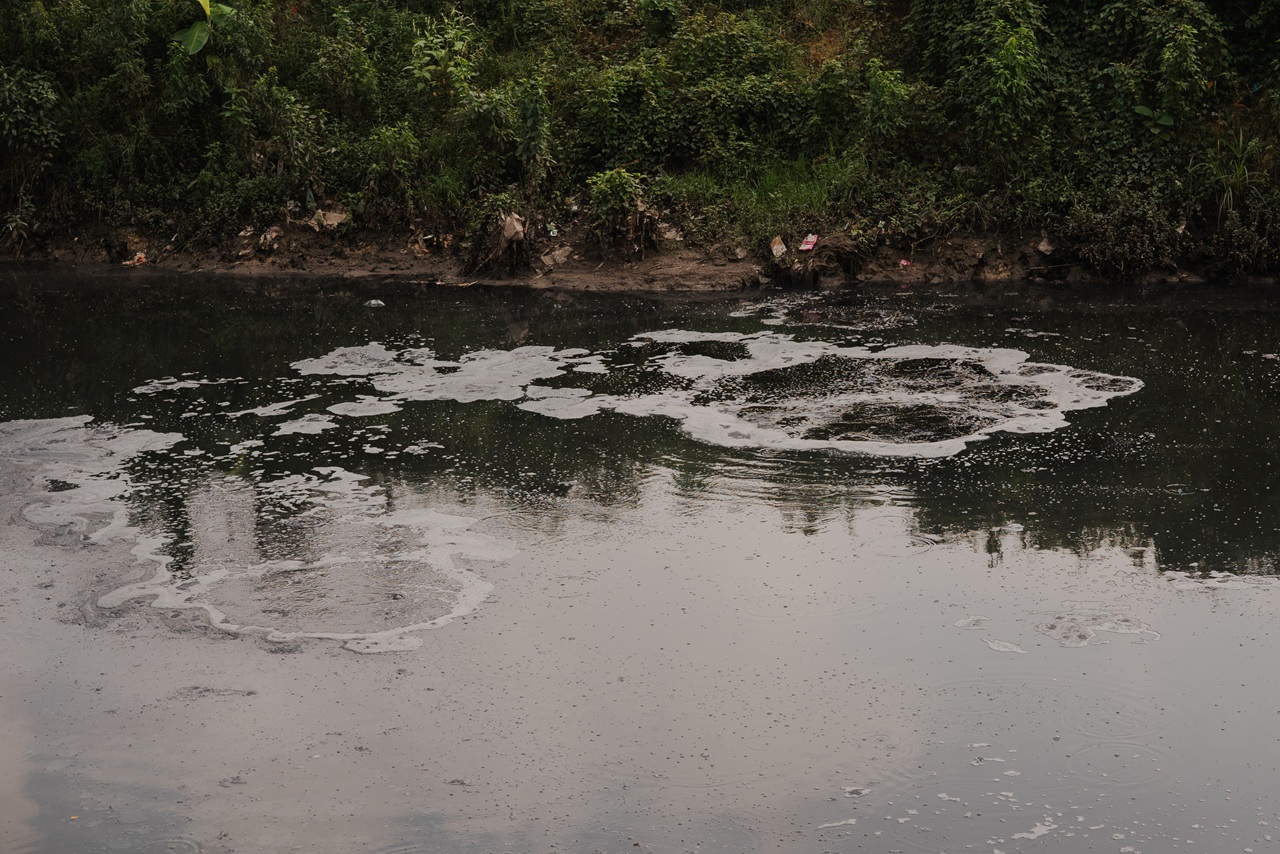
Geography and environment expert Professor Dr M. Maksudur Rahman warns that what Dhaka experiences is not flooding but prolonged waterlogging. “Rainwater cannot pass through occupied canals and drains. Even light rain floods streets, and dirty water stays for months,” he said. This prolonged stagnation turns neighbourhoods into open health risk zones.
About 62 per cent of wetlands are now neglected. Health experts fear that without immediate action, the collapse of the natural drainage system will make outbreaks of dengue and other waterborne diseases more frequent and more deadly.
The crisis reveals a harsh truth: health cannot be separated from urban planning. Roads and buildings alone cannot protect a city. Without flowing canals and functioning wetlands, Dhaka’s residents will continue to face a cycle of disease after every rainfall.