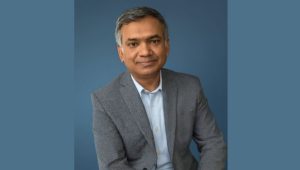
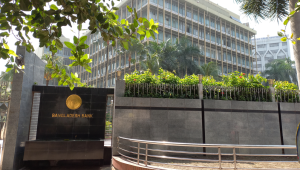
Bangladesh Bank Governor Ahsan H Mansur has directed banks to aggressively cut bad loans through restructuring, rescheduling, write-offs and stronger recovery drives, setting a target to bring the non-performing loan (NPL) ratio down to 25 per cent by March.
Speaking at a bankers’ meeting at the central bank headquarters on Sunday, the governor told chief executives of commercial banks that loan recovery must be prioritised, warning that fresh investment is unlikely to pick up meaningfully before March.
Under special policy support that allows rescheduling of defaulted loans, the NPL ratio fell to 30.5 per cent by end-December 2025, down from nearly 36 per cent in September, according to central bank data. In absolute terms, classified loans stood at Tk6.44 lakh crore in September against total outstanding credit of Tk18.03 lakh crore.

Bangladesh Bank has allowed rescheduling on easier terms for borrowers hit by business losses and other shocks. The governor urged bankers to apply the special facility more generously within policy limits to speed up balance-sheet repair.




Bangladesh Bank spokesperson and executive director Arief Hossain Khan said the governor made it clear that tougher recovery was unavoidable. “There is no alternative to stronger loan recovery if we are to bring down the NPL ratio. The special rescheduling facility will not be repeated indefinitely,” he told TIMES.
A senior central bank official said the NPL ratio had declined to about 30.56 percent by end-December due to rescheduling. Excluding the five recently merged banks, the ratio would already be around 25 per cent, the official added.


The governor also instructed banks to turn around loss-making overseas exchange houses owned by commercial banks. Arief Hossain said a dedicated department has been tasked with reviewing the issue and recommending steps to stem losses.
In addition, the governor ordered a review of the Foreign Exchange Regulation Act, 1974, with a view to liberalising rules on domestic and overseas investment in foreign currency once amendments are made.